
Before visiting Dijon, we expected mustard, Burgundy wine, and maybe a few pretty buildings. What we didn’t expect was how quickly this city would captivate us. So we’ll share with you what makes Dijon France so special and our favorite discoveries.
Sunday is our first day in Dijon. Our apartment is in the center of the old city adjacent to the pedestrian area, so we can walk everywhere. Most shops close on Sunday, including some restaurants.
Puces des Halles de Dijon
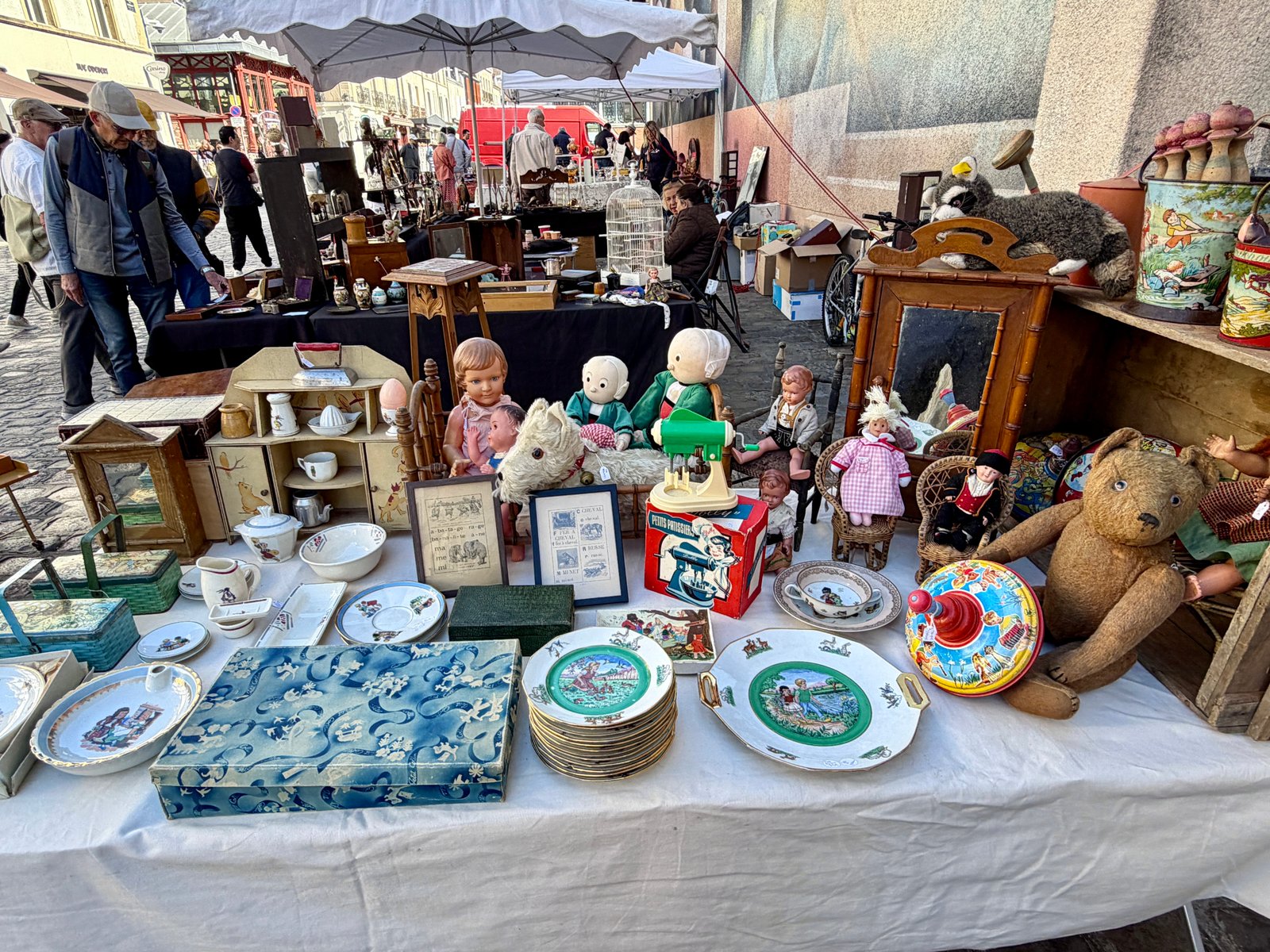
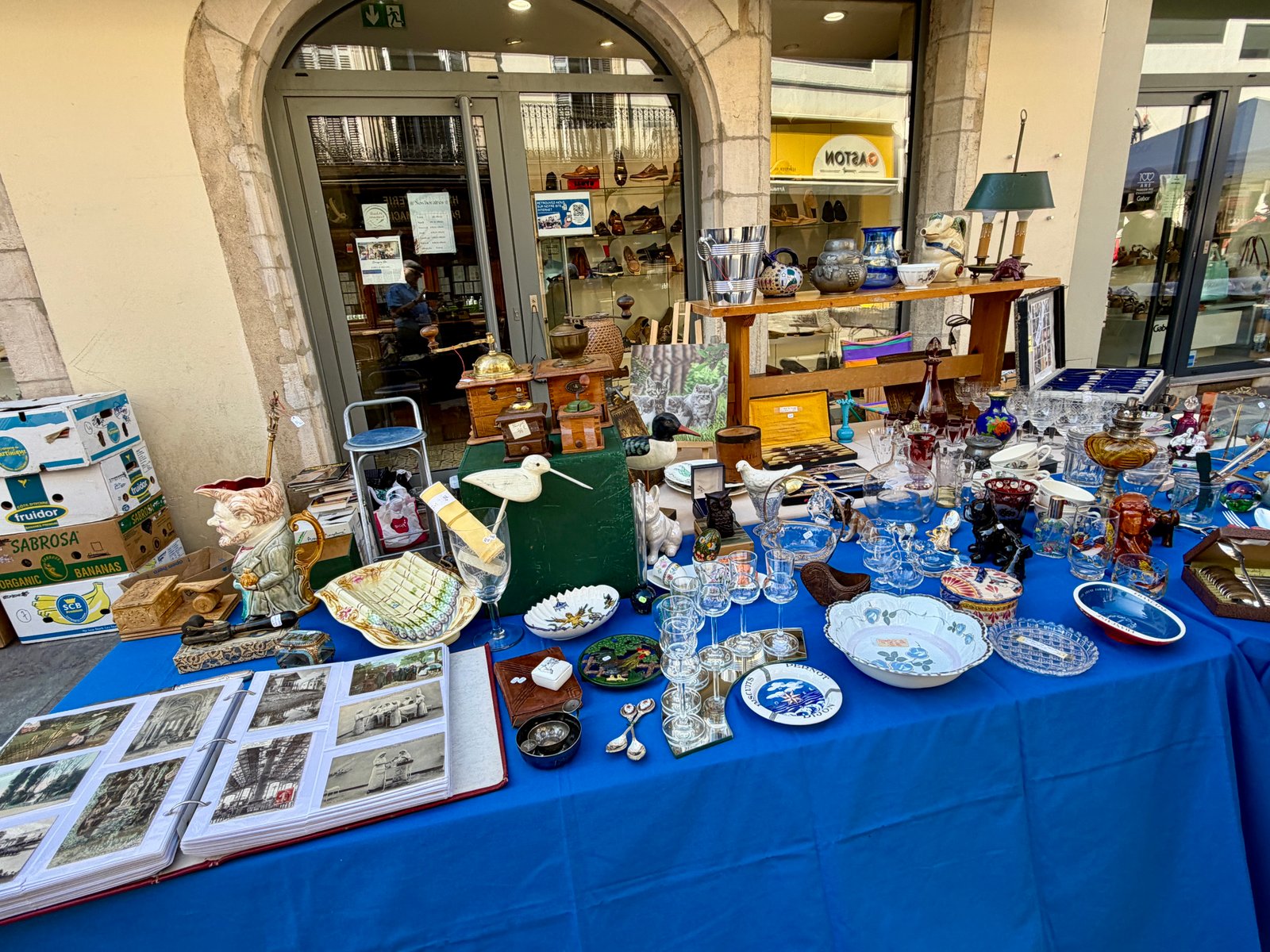
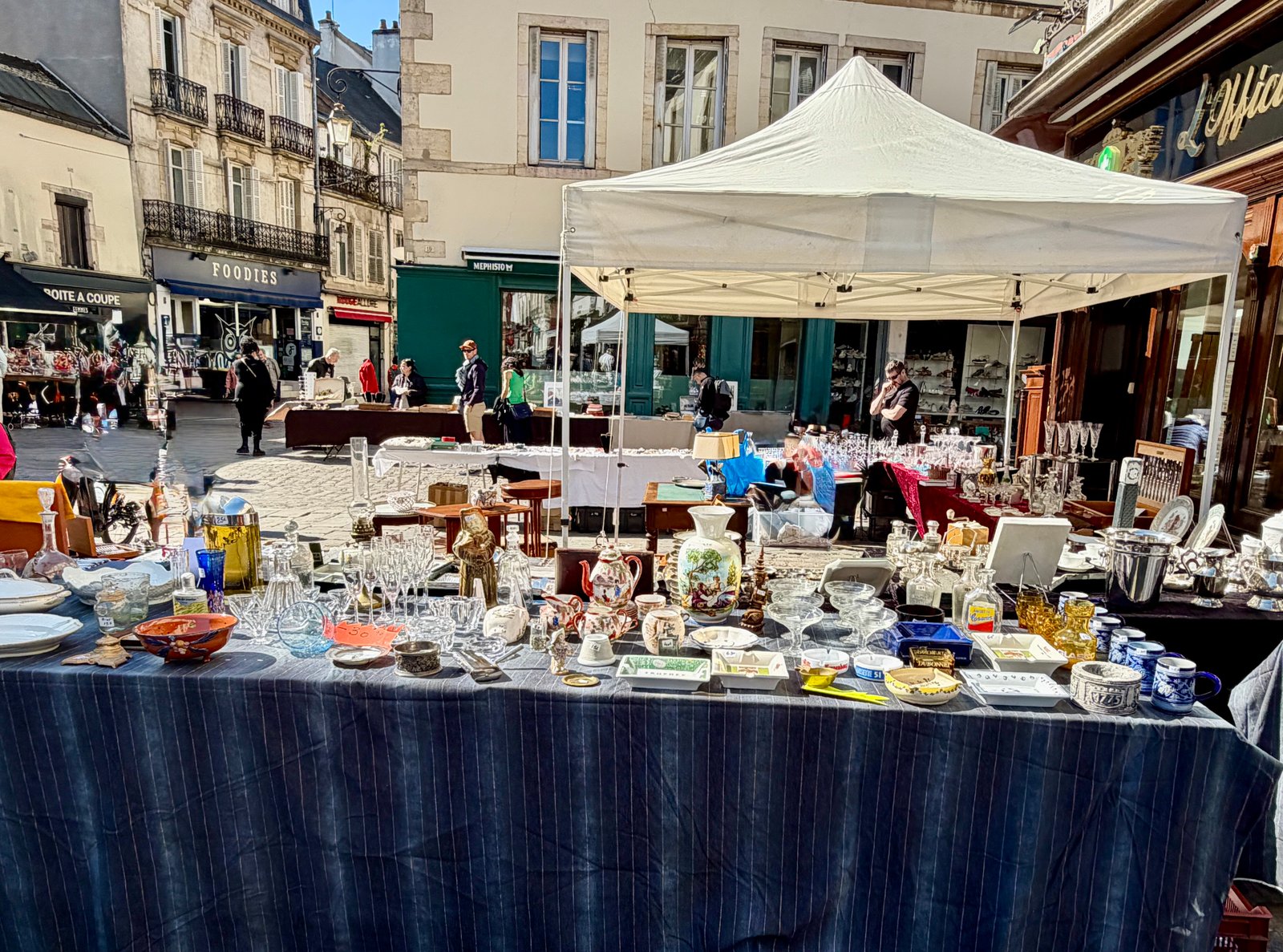
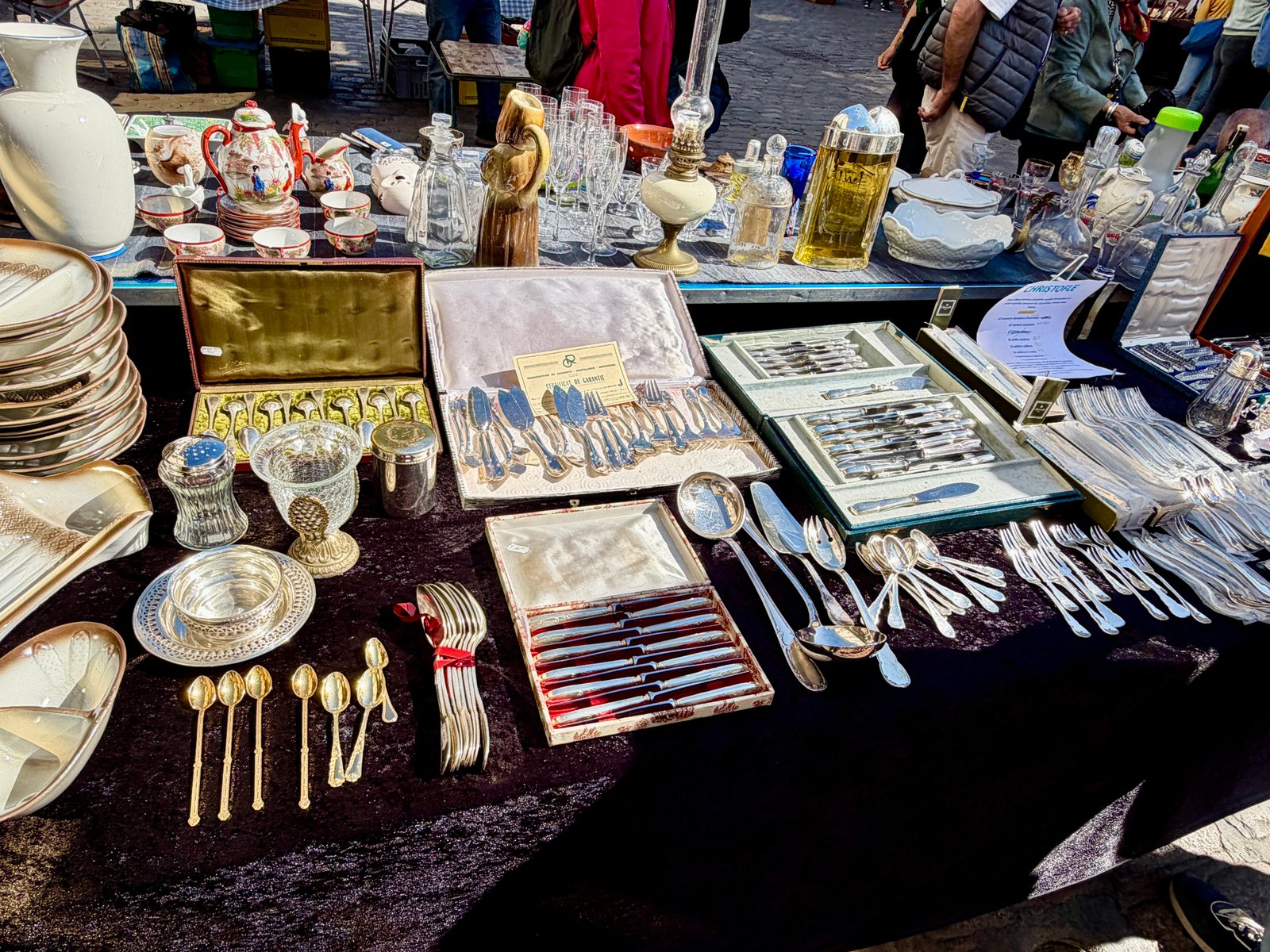
We happened to arrive on the fourth Sunday of the month, so perfect timing for the monthly Puces des Halles flea market April-September. There’s about 30-40 vendors selling antiques and other vintage treasures. One of my favorite things to do and a great way to start the day. In the city of mustard, it’s not surprising there are lots of small vintage mustard pots in the market today.



The First Thing We Noticed: Dijon Feels Authentic
Dijon has a way of slowing you down in the best possible way. Maybe the cobblestone streets lined with centuries-old buildings create that feeling. Maybe it’s the smell of fresh pastries and bread drifting from neighborhood bakeries. Or, maybe it’s the simple joy of sitting at a café in Burgundy wine country while the world quietly passes by. Whatever it is, Dijon became one of those places we’ll still talk about long after leaving.
Some cities feel designed for tourists. Dijon feels like a lived in neighborhood. Locals shop at outdoor markets carrying fresh bread, fruit and flowers. Café terraces fill slowly throughout the afternoon. Tiny specialty shops sit beside historic churches that have stood for hundreds of years. The city feels elegant without being flashy and historic without feeling frozen in time. Honestly, it reminds us why we love exploring smaller European cities so much.
One of the best things about Dijon is that you really don’t need a strict itinerary. The city itself becomes the experience. The historic center is incredibly walkable, and every street seems to lead to another beautiful square, hidden courtyard, or bakery window filled with tasty goodies you suddenly convince yourself you absolutely need.
Walking Through History Without Even Trying
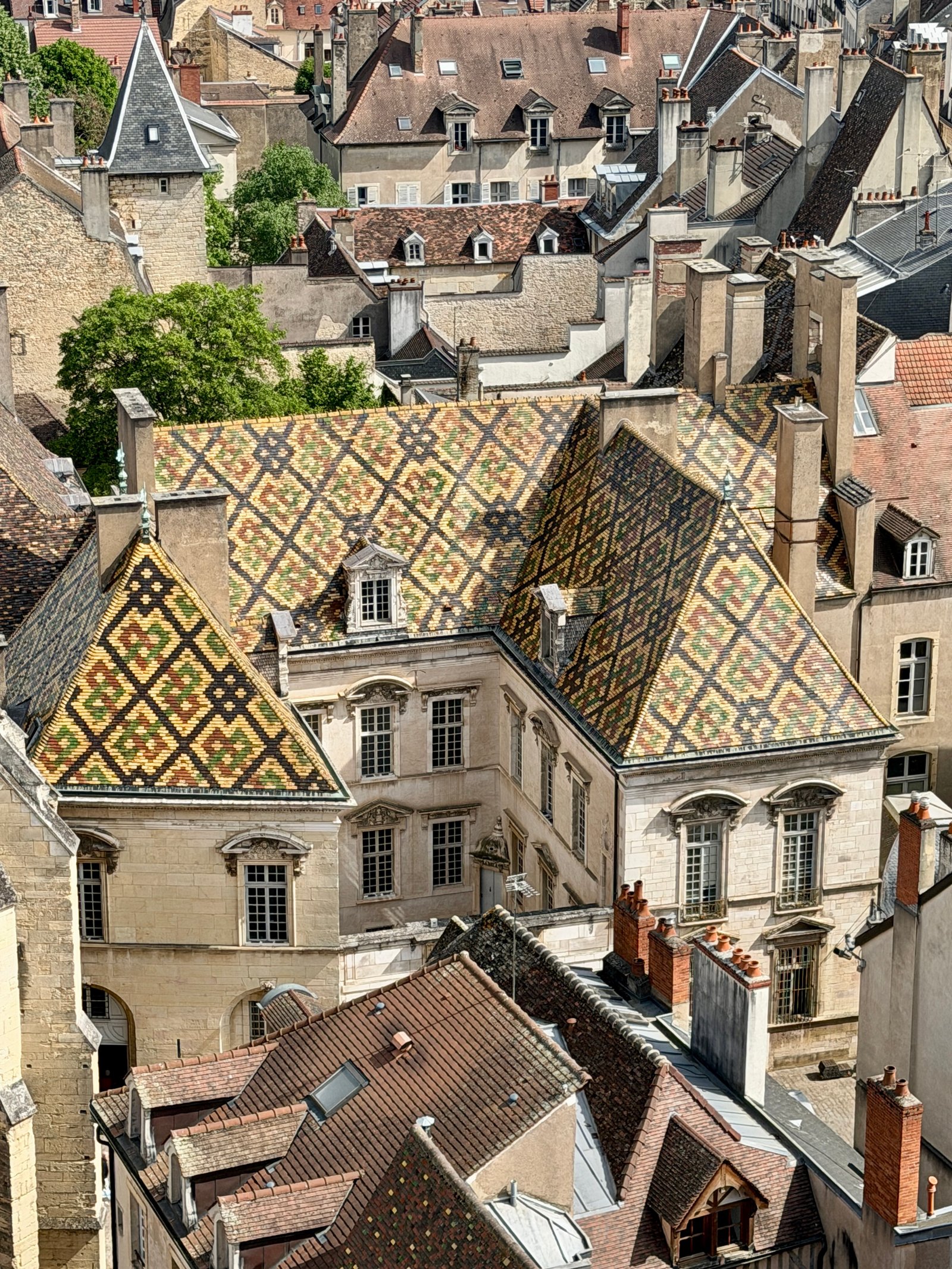
Another of our favorite discoveries is how easy it is to experience Dijon’s history just by wandering around. The historic center looks like something out of a storybook. Half-timbered houses lean over narrow streets, colorful tiled rooftops shine in the sunlight, and hidden courtyards seem to appear around every corner. Even better, much of the city is incredibly walkable with a huge pedestrian area making Dijon the perfect place to simply wander without a plan.


Exploring the historic sights on our first walk through town
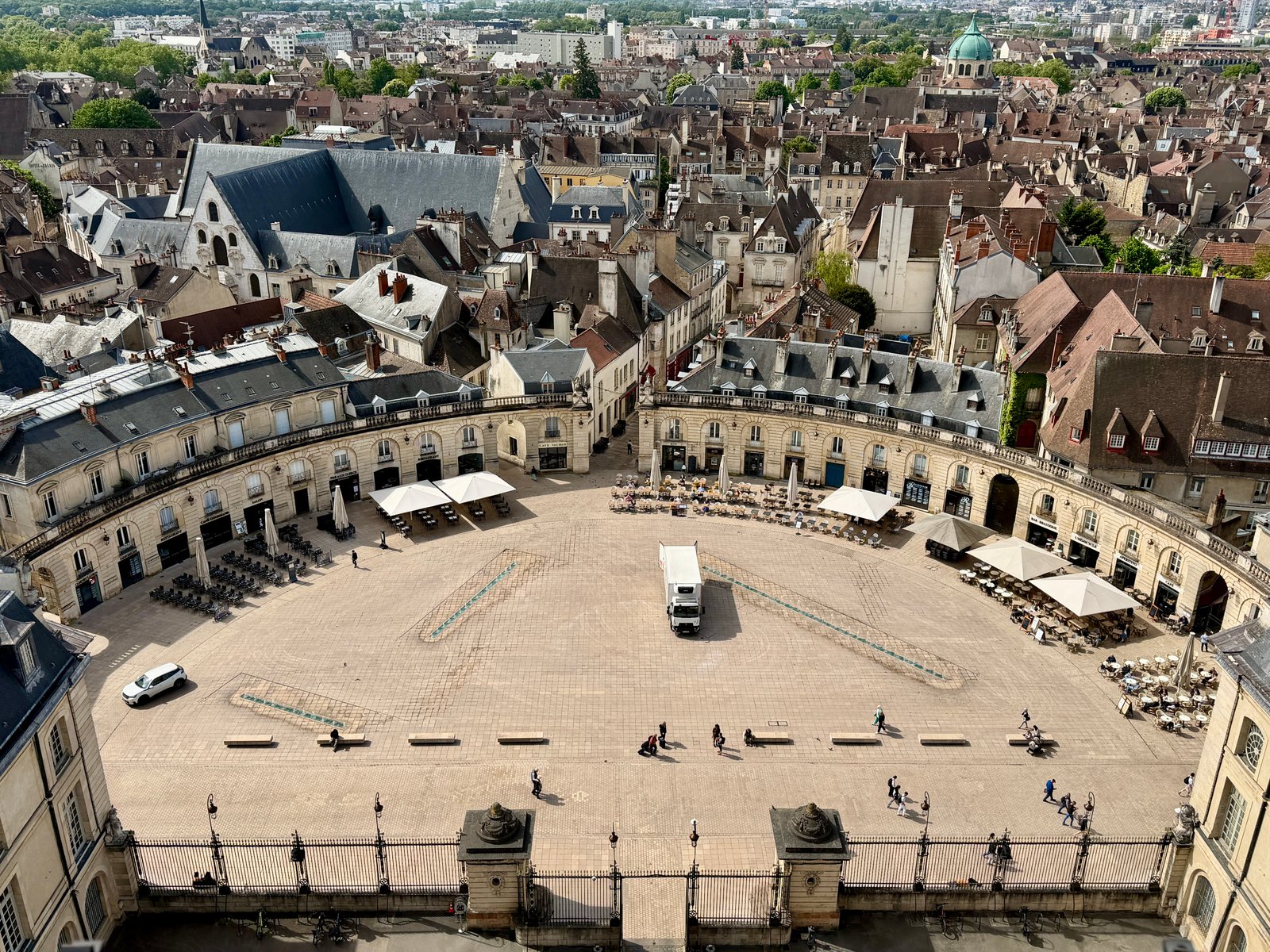
Dijon became powerful during the time of the Dukes of Burgundy in the 14th and 15th centuries, and you can still see signs of that wealth and influence everywhere today. The stunning Palace of the Dukes of Burgundy, built in 1364 and later expanded, sits adjacent to a huge semicircle public square filled with bars and restaurants. It seems to be a favorite hangout spot. Standing in the city center, the palace is a reminder of just how important Dijon once was in French history. Today, the palace now houses the town hall, fine arts museum, the tourist office and the municipal archives.


Fine Arts Museum
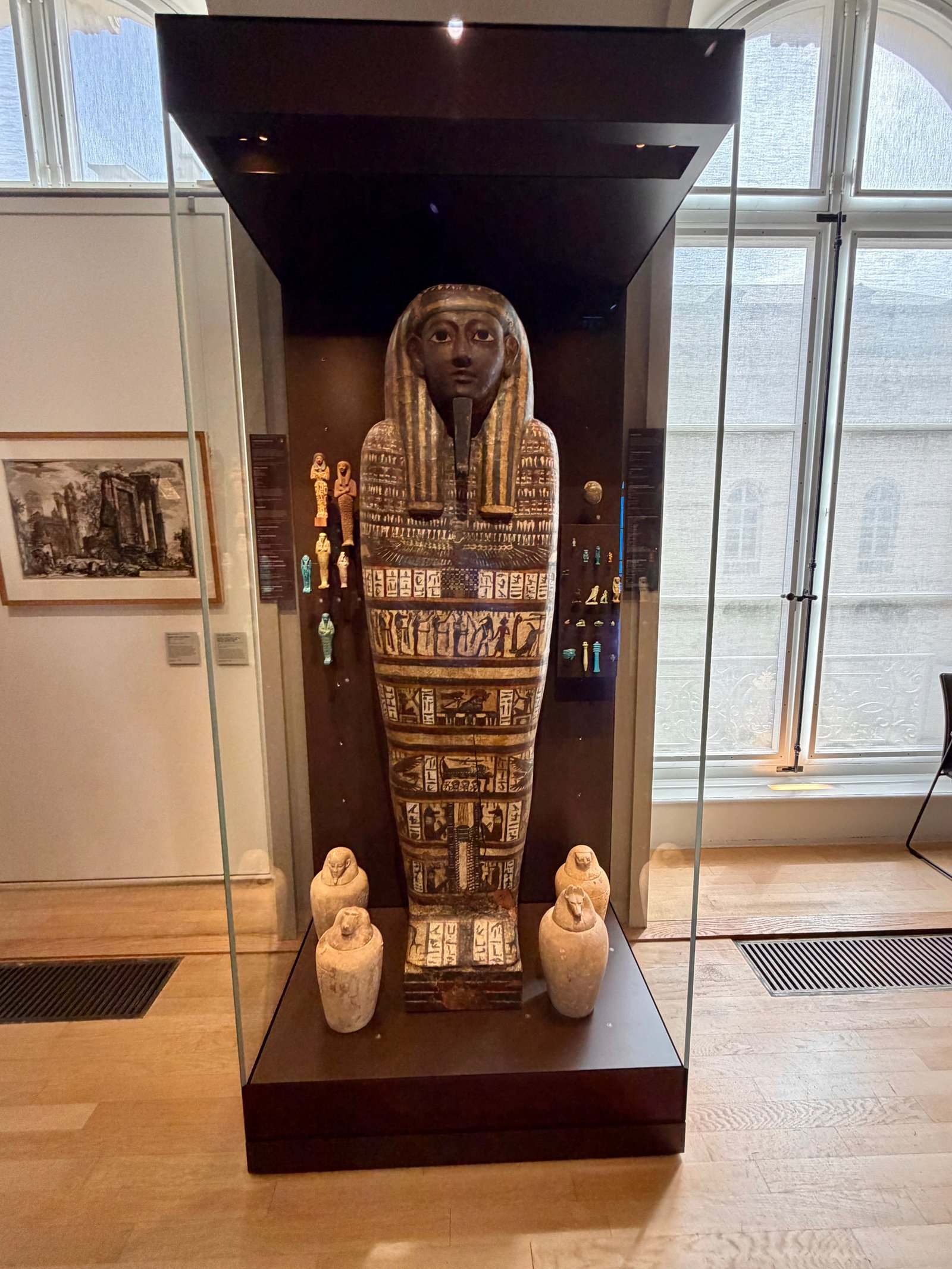
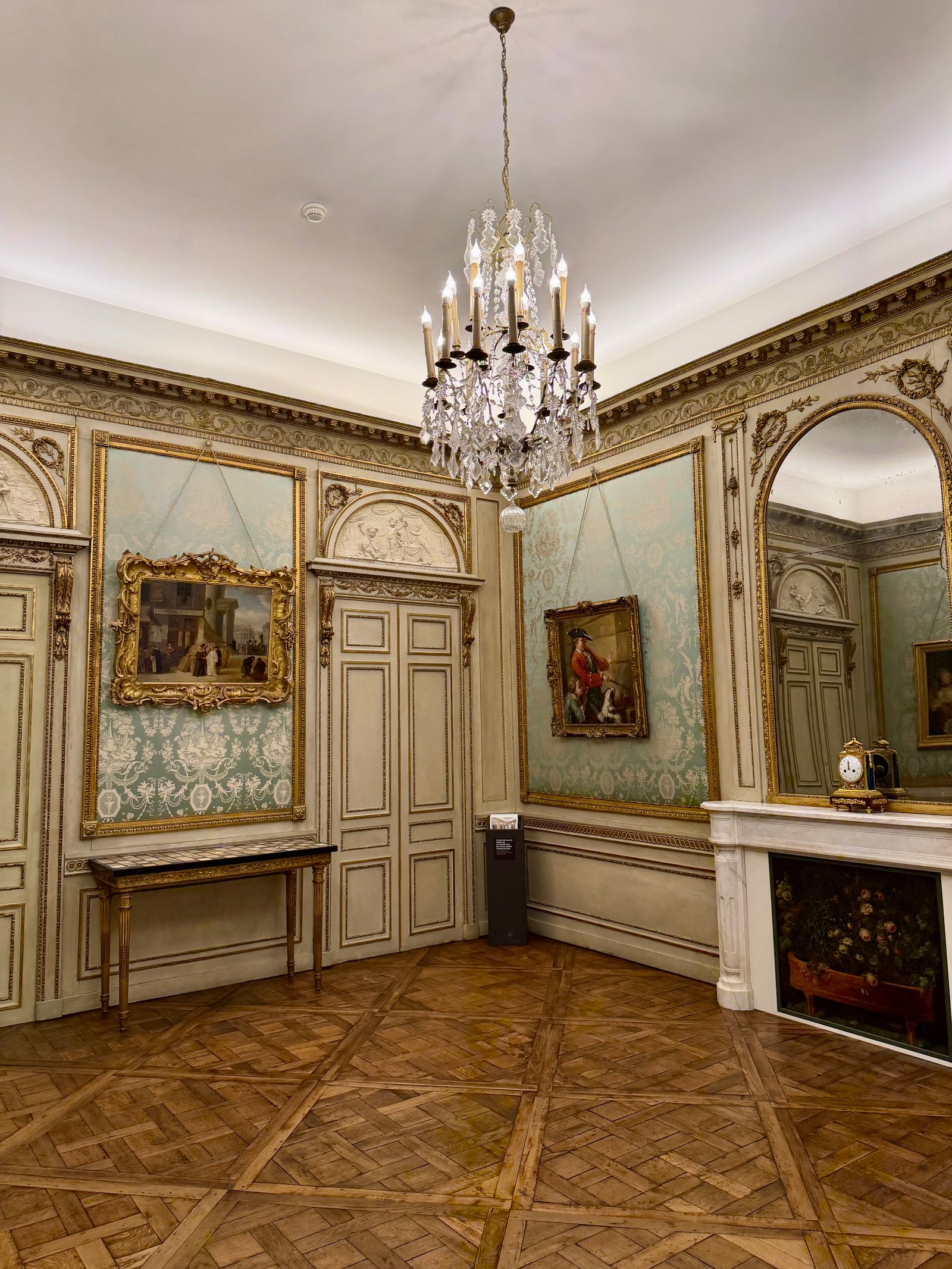
The Musée des Beaux-Arts (1787) is free to visit. We’re not typically tourists who visit many museums in our travels, but we had time and it’s free, so a double win. I’m really glad we spent time visiting, as there’s lots of beautiful hints to see. It is also the tomb sites of the Dukes of Burgundy, who lived in the castle. Philip the Bold died in 1404 and his brother John the Fearless died in 1419.



Rude Museum
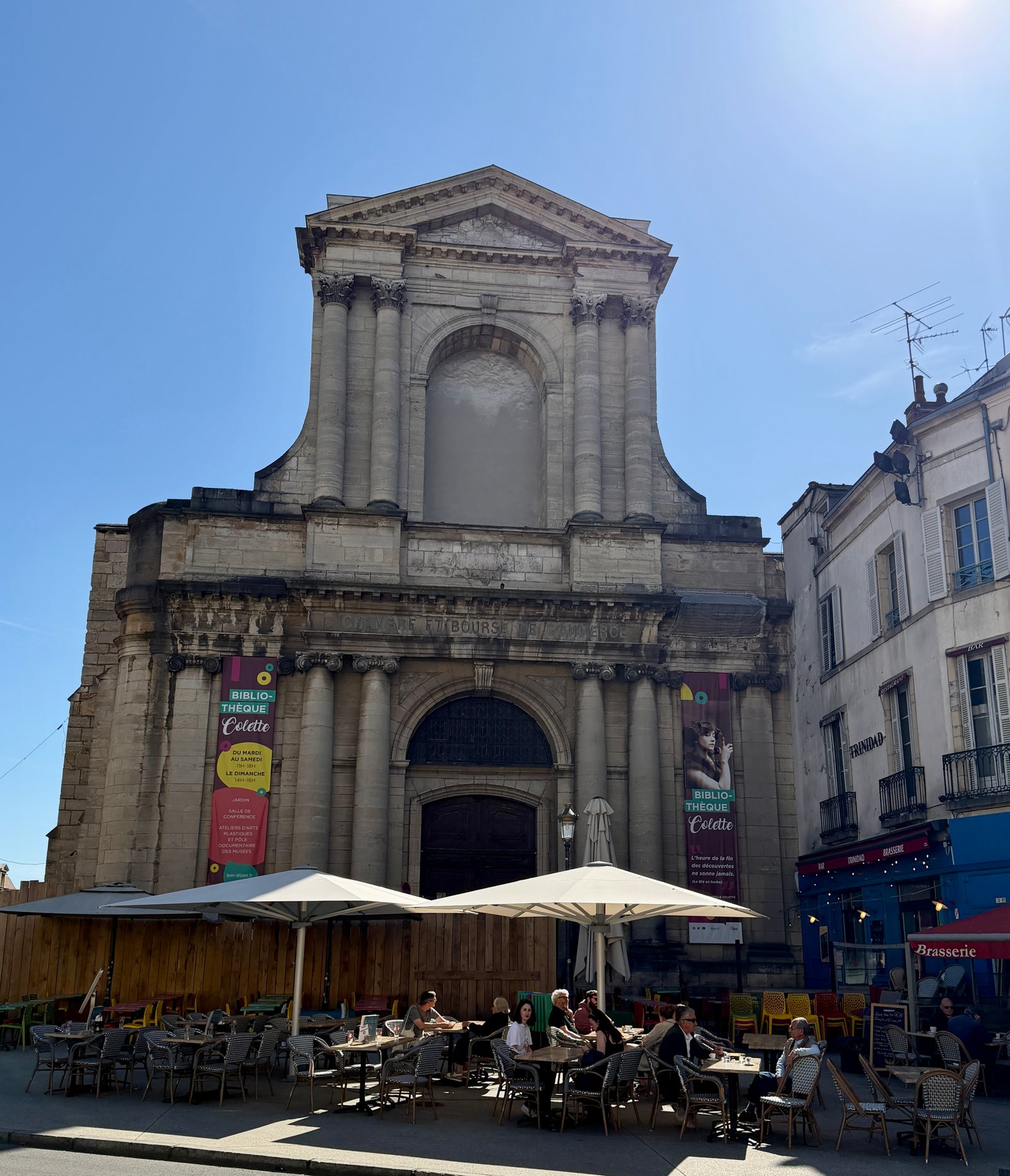
We peeked inside the Musée Rude as we walked by. It’s free to enter and we are glad we did. Dedicated to the renowned sculptor François Rude (1784-1855), this museum showcases plaster casts of the artist’s most famous works, including “La Marseillaise” (1792) on the Arc de Triomphe in Paris. However, beneath the serene facade of the museum lies ancient relics.
The museum occupies the transept and choir of the former 11th-century Catholic Church, Saint-Étienne, while the nave now serves as the municipal library. As you move through the choir, you encounter remarkable archaeological remains, including traces of Dijon’s third-century castrum (a Roman fortress) on which the church stands, as well as the church’s 11th-century crypt. This offers a glimpse into the city’s early history and origins.


Other churches nearby
St. Michael’s Church
The Église Saint-Michel (1497) has a Renaissance facade. Originally a wooden chapel from the 9th century, it had been replaced in 1020 before being rebuilt in 1497. It houses the relics of St. Elizabeth of the Trinity.


Church of Notre-Dame
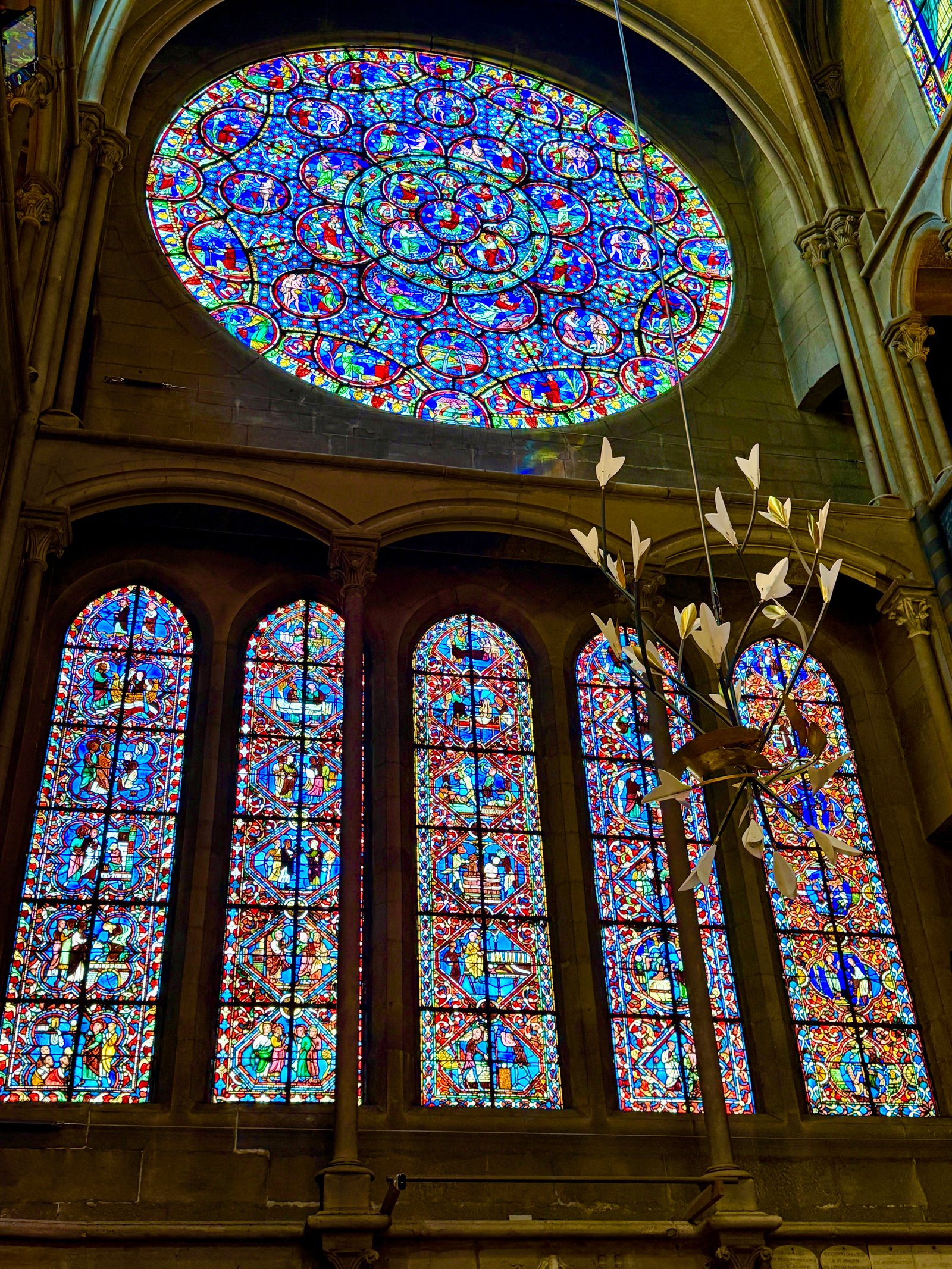
The Church of Notre-Dame of Dijon, built around 1230, is considered a masterpiece of Gothic architecture. One of the oldest depictions of the Virgin Mary in France is found in Dijon, dating back to somewhere between the 11th and 12th centuries. The church contains the statue of Notre-Dame de Bon-Espoir (Our Lady of Good Hope), formerly called the Black Madonna. In the 1500s, Mary’s face was likely painted black because Black Madonnas held more power and stature than their white counterparts during that era. The black tint was removed in 1963.
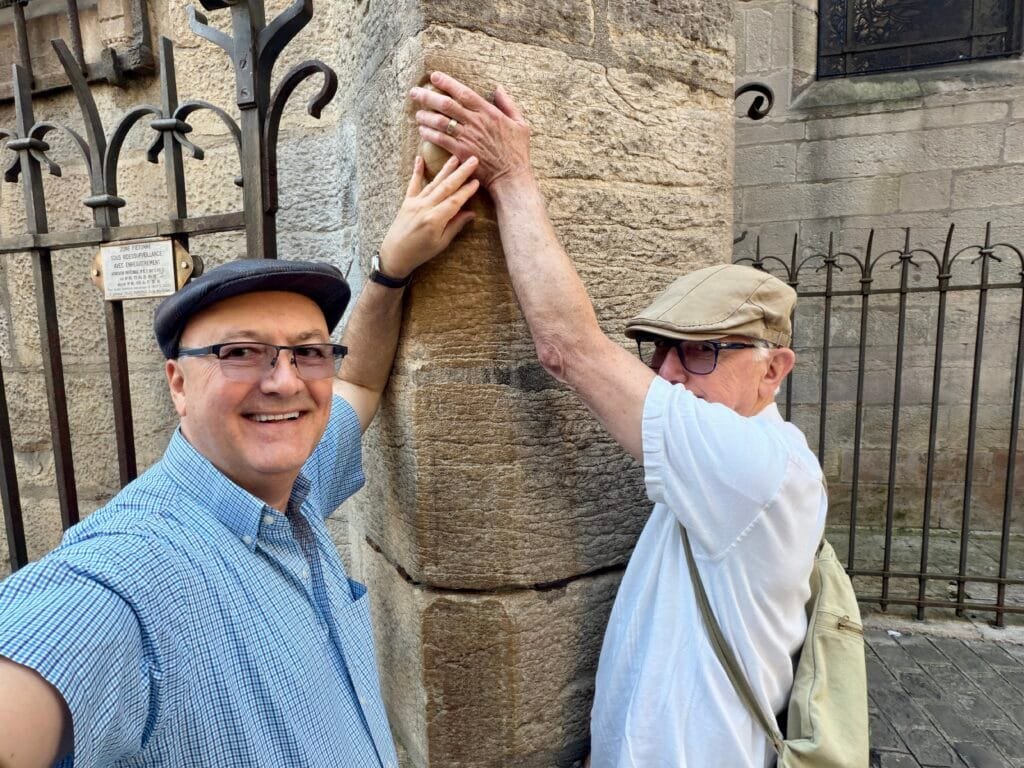
The second famous icon of this church can be found on the chapel buttress, La Chouette de Dijon, or the Dijon Owl. This owl is the city’s symbol and is well over 300 years old. No one knows who the creator of this symbol is or why it was placed here sometime in the 16th century. As the tradition goes, if you touch him with your left hand and make a wish, your wish will come true. His face is now well worn from millions of hands rubbing it.


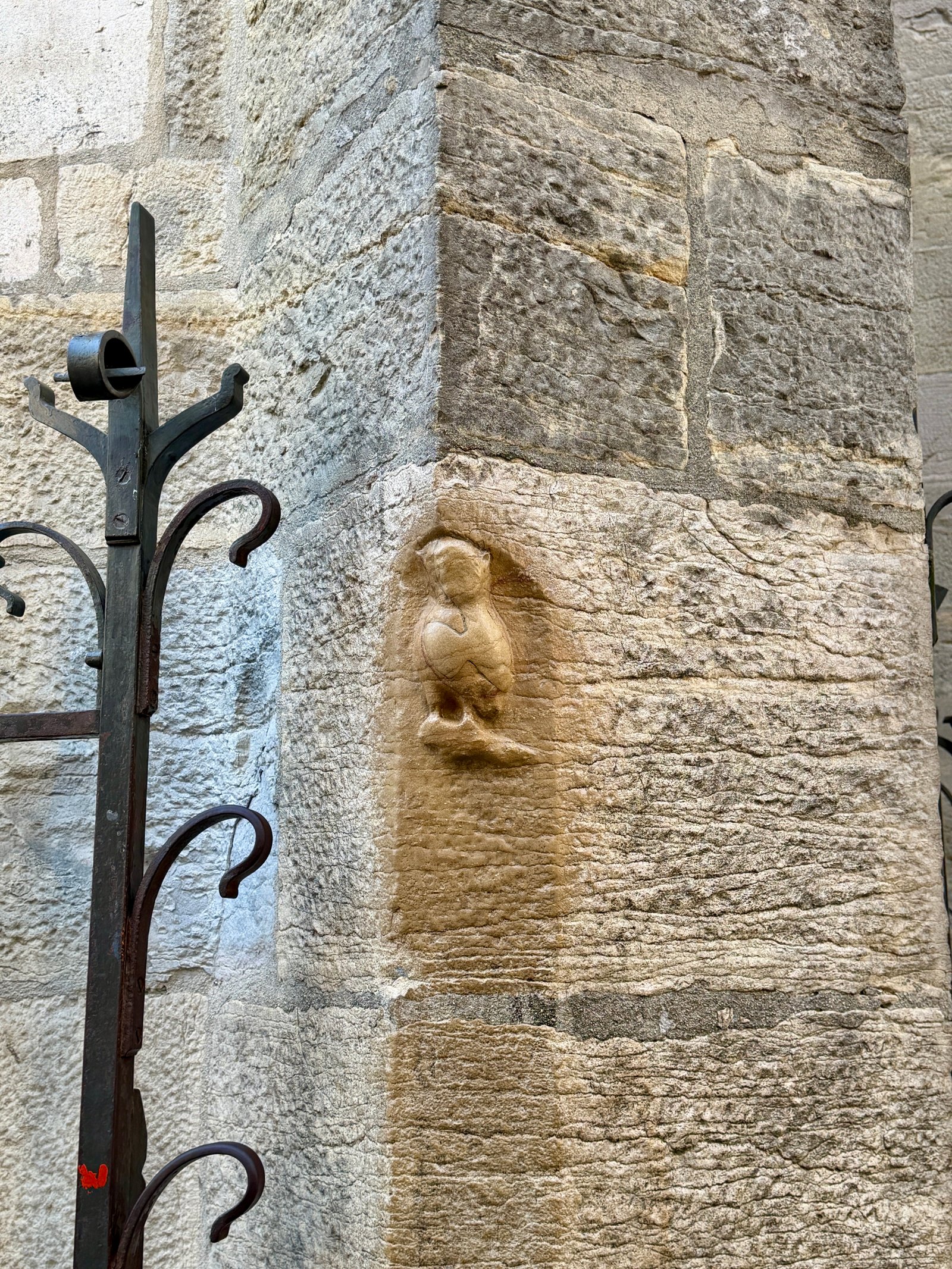
We can’t tell you our wish, but we promise to let you know if it ever comes true!
The Owl Trail Became One of Our Favorite Experiences
“Owl Trail,” you say? In French, they call it the Parcours de la Chouette — and it’s one of the most charming ways to explore Dijon.
The owl has become the beloved symbol of Dijon, and the Owl Trail cleverly turns that symbol into a self-guided walking tour through the heart of the Old Town. Keep an eye on the sidewalks for the tiny bronze triangle owl markers — more than 1,600 of them — that lead visitors past 22 of the city’s must-see landmarks and historic treasures. It’s like following a scavenger hunt through centuries of French history. A larger numbered marker lets you know when you’ve arrived at one of the 22 destinations. The full trail is less than 2 miles long. The tourist office has a booklet with descriptions of each of the 22 highlighted destinations.


I’ve already shown you a lot of the trail’s destinations, so here are just a few more.
Maison Millière
The first is Maison Millière (1483) with its restaurant downstairs and the family dwelling upstairs. There’s also a cat and owl sculpture on the rooftop.


Jardin Darcy
Another trail destination is Jardin Darcy (1880), the town’s first public garden. The fountain water looks remarkably clear and clean for a public park.


Les Halles
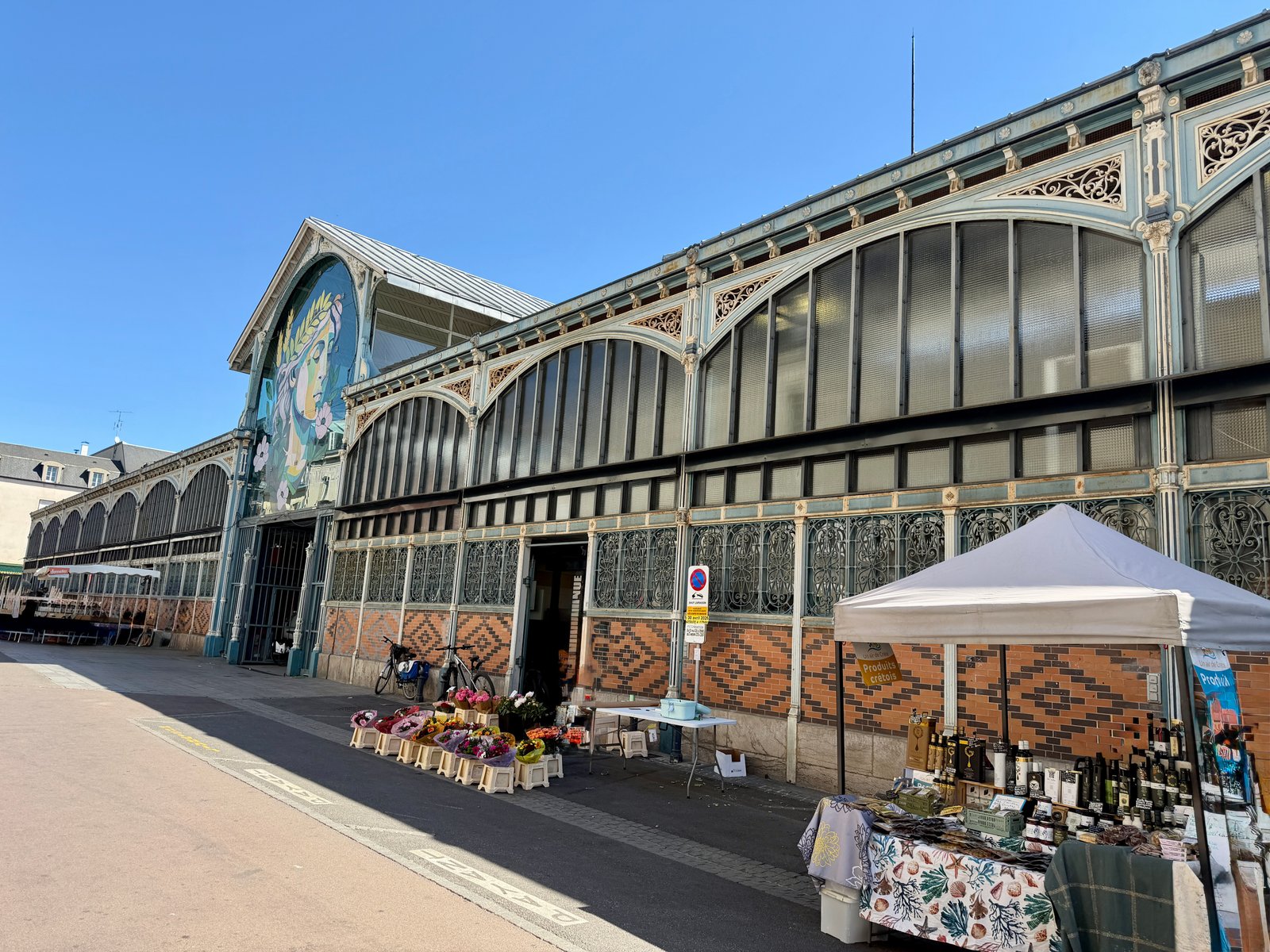
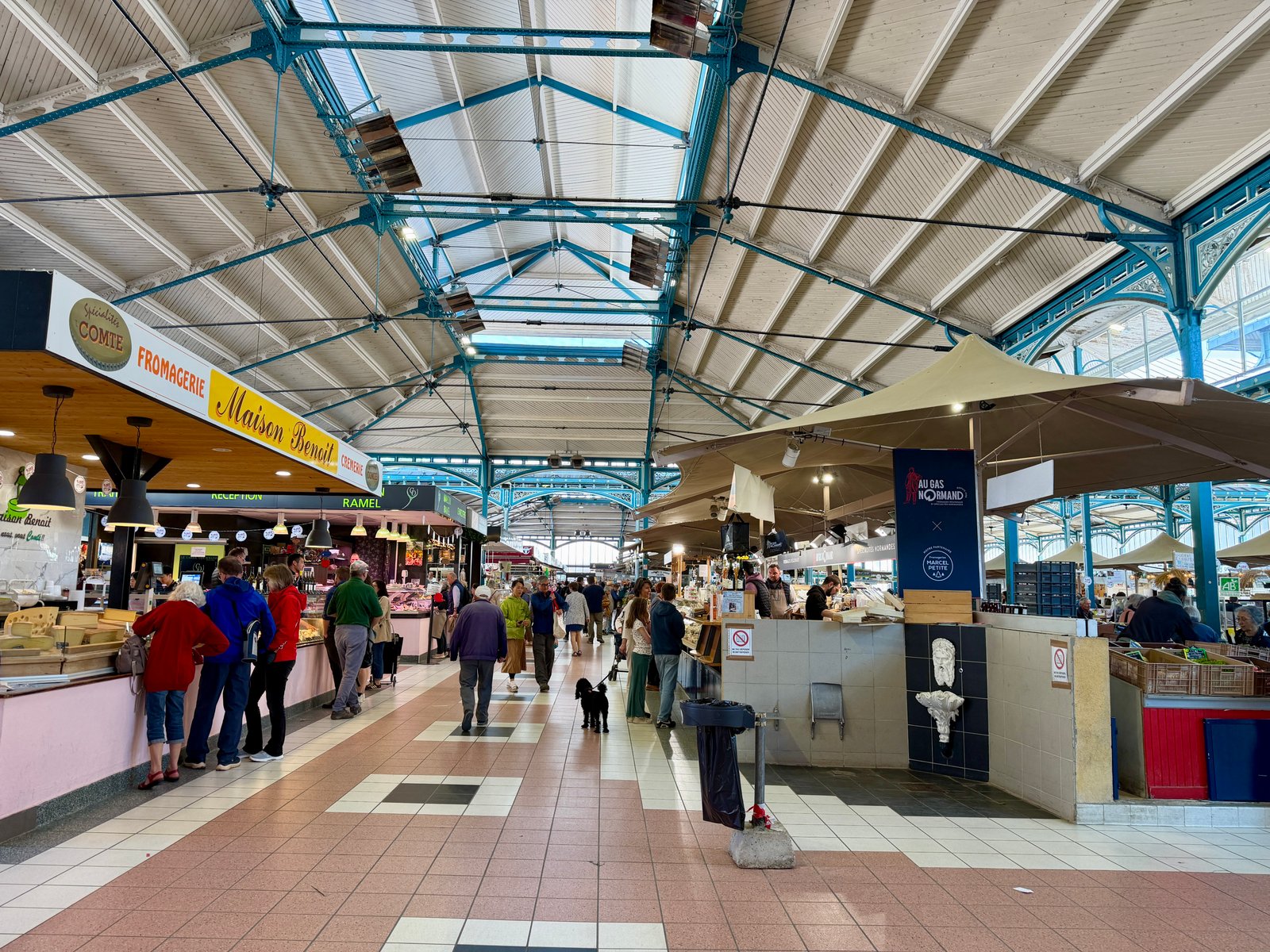
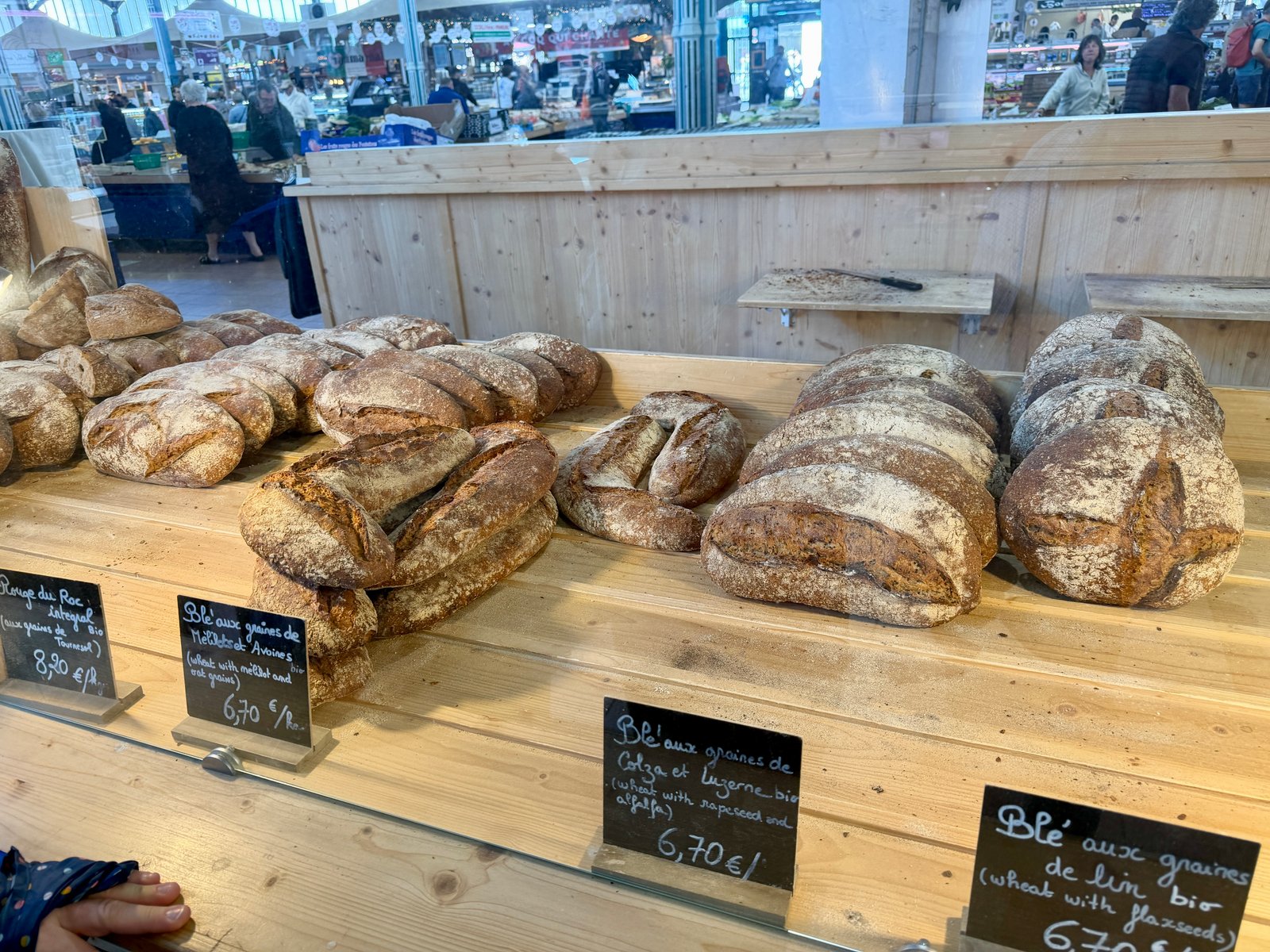
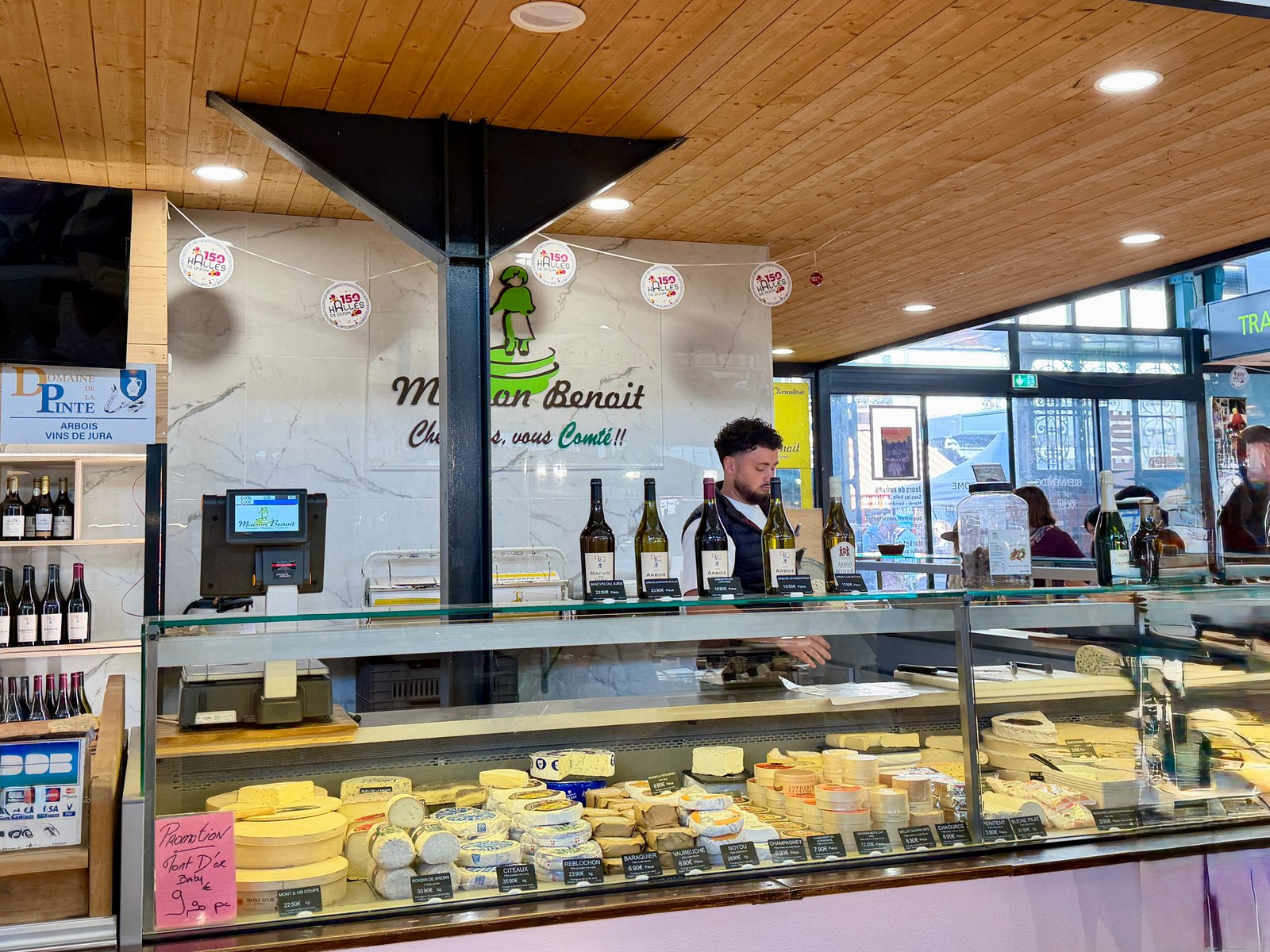
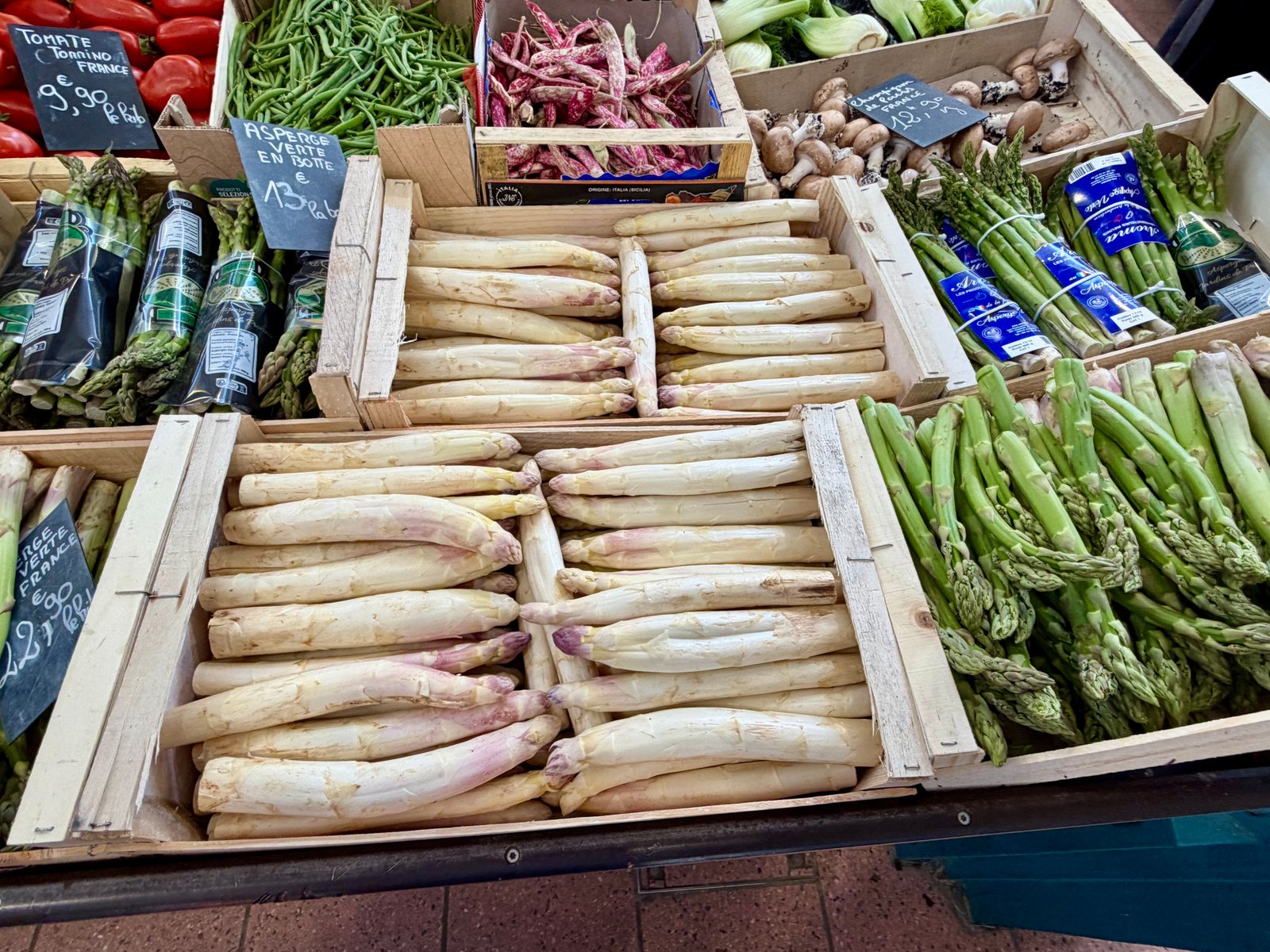
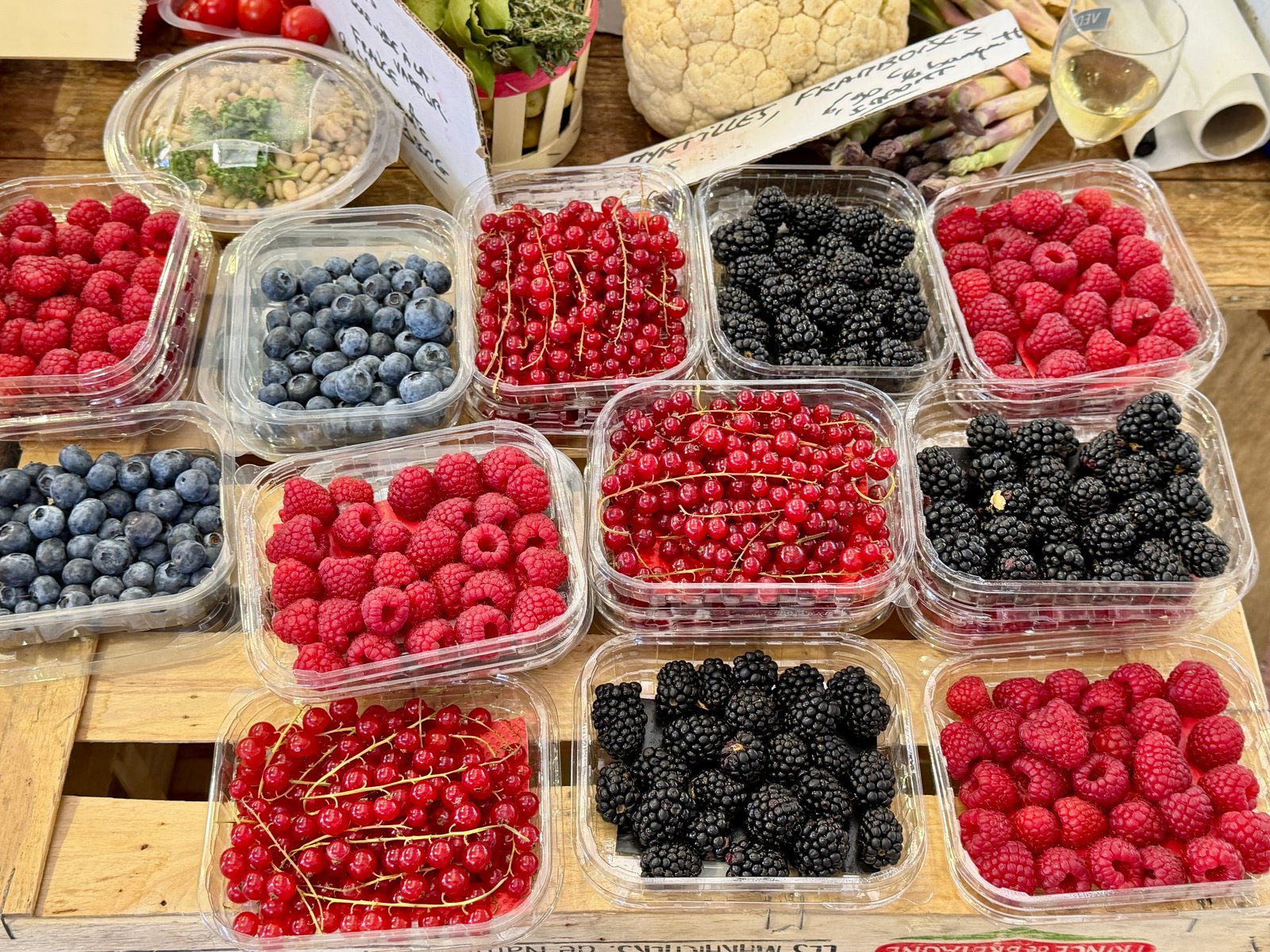
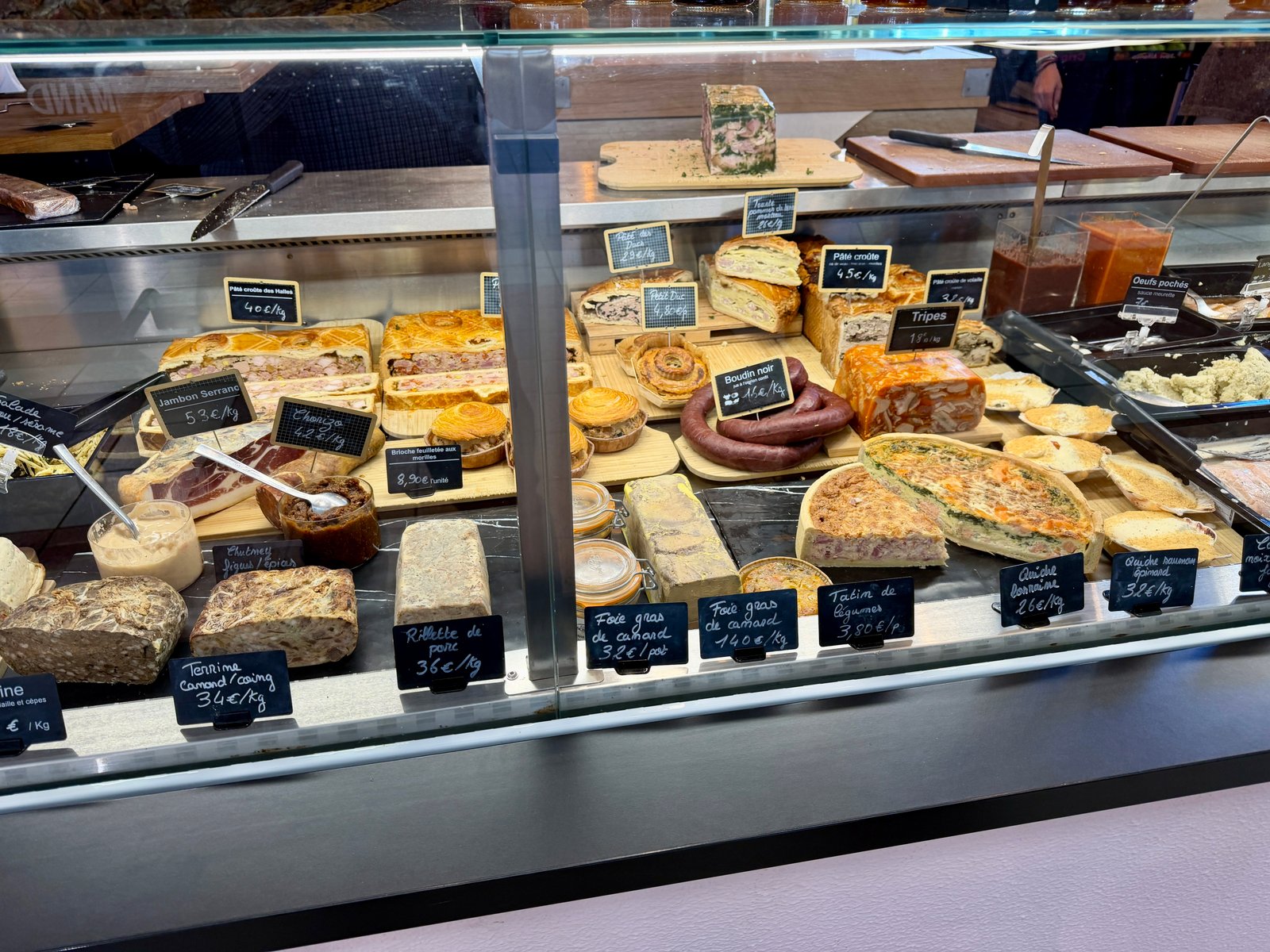
Les Halles de Dijon (1873-1875) is a covered food market. If you love food, Dijon absolutely delivers. Yes, the mustard is famous, but the city’s food scene goes far beyond that. Burgundy draws worldwide acclaim for its rich flavors, incredible wines, local cheeses, and classic French dishes like Boeuf Bourguignon and escargot.
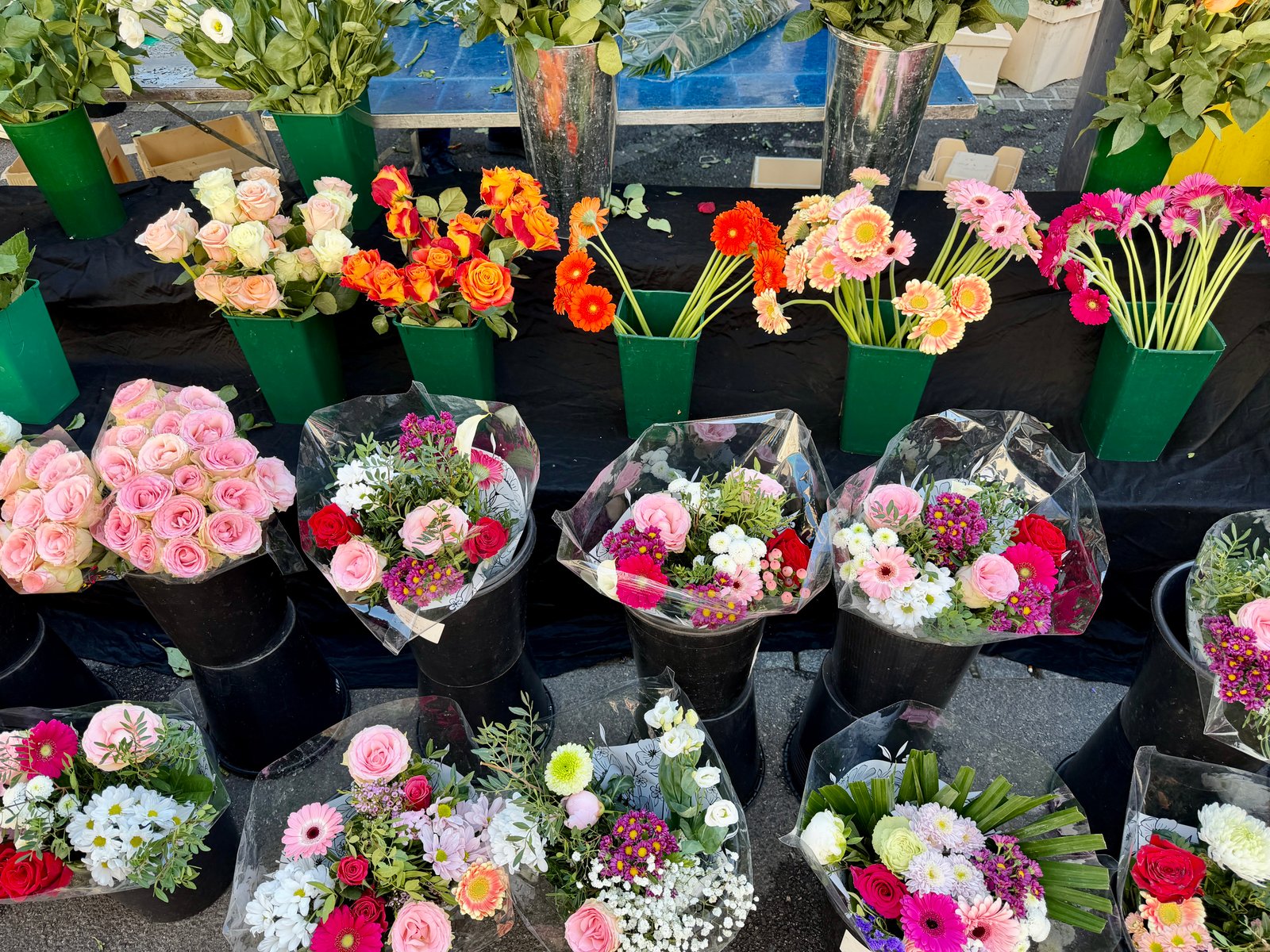
Another favorite discovery is exploring the local markets and bakeries. The beautiful Les Halles Market became an instant favorite. Fresh breads, pastries, meats, cheeses, spices, and wine fill the market with incredible aromas and nonstop energy. We quickly learned that walking through a French market while hungry is both wonderful and dangerous.

Philip the Good Tower
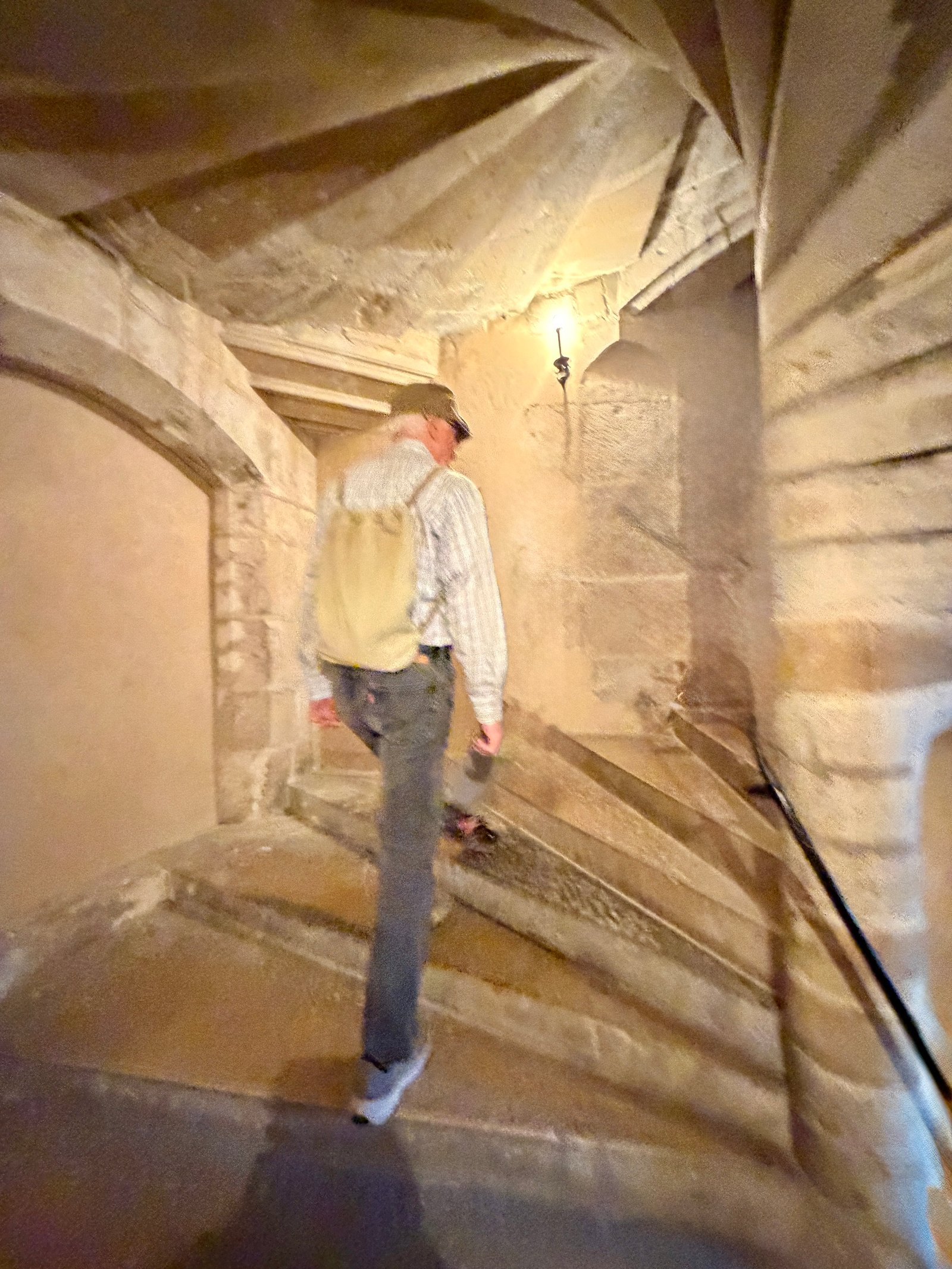
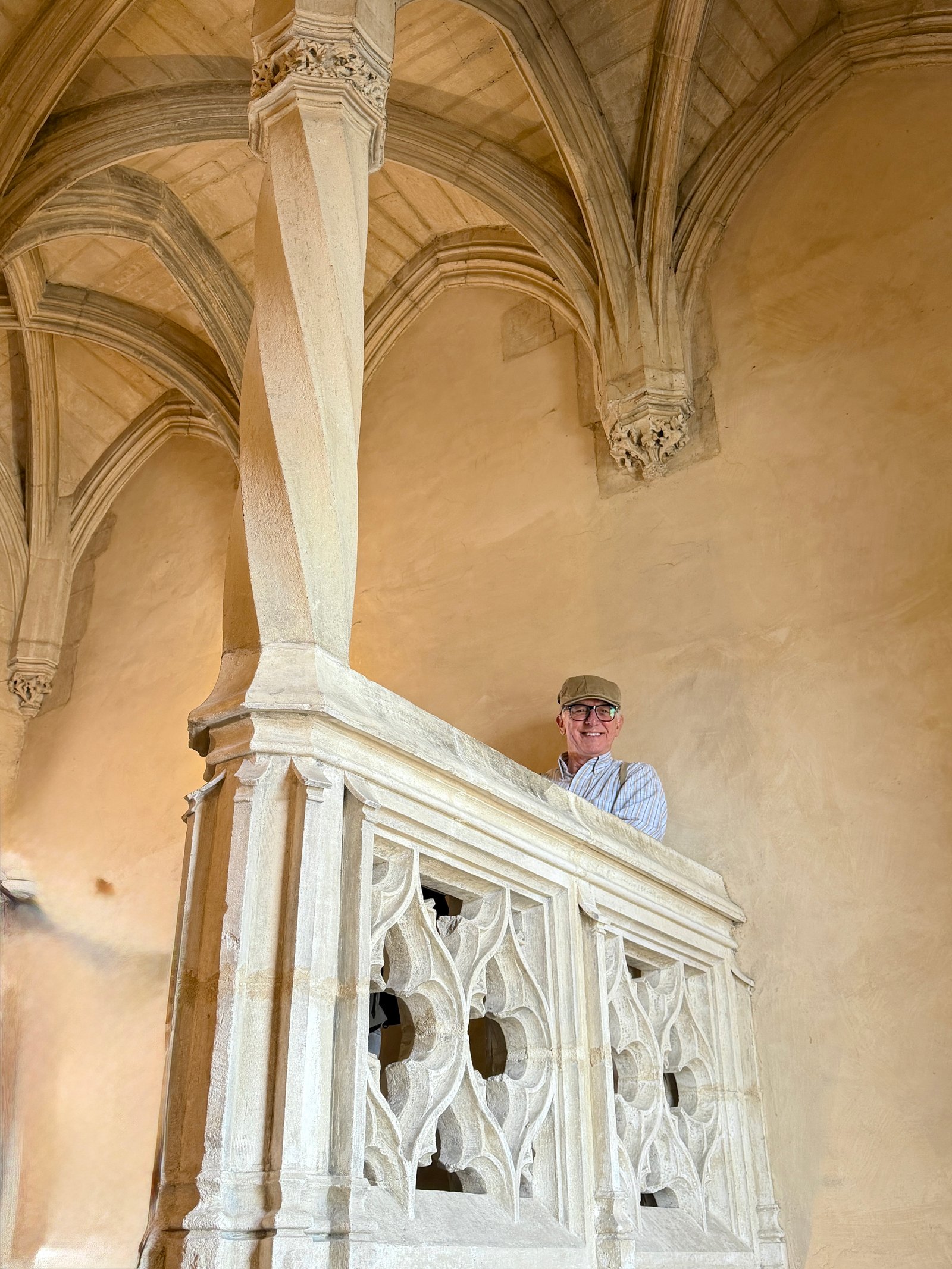
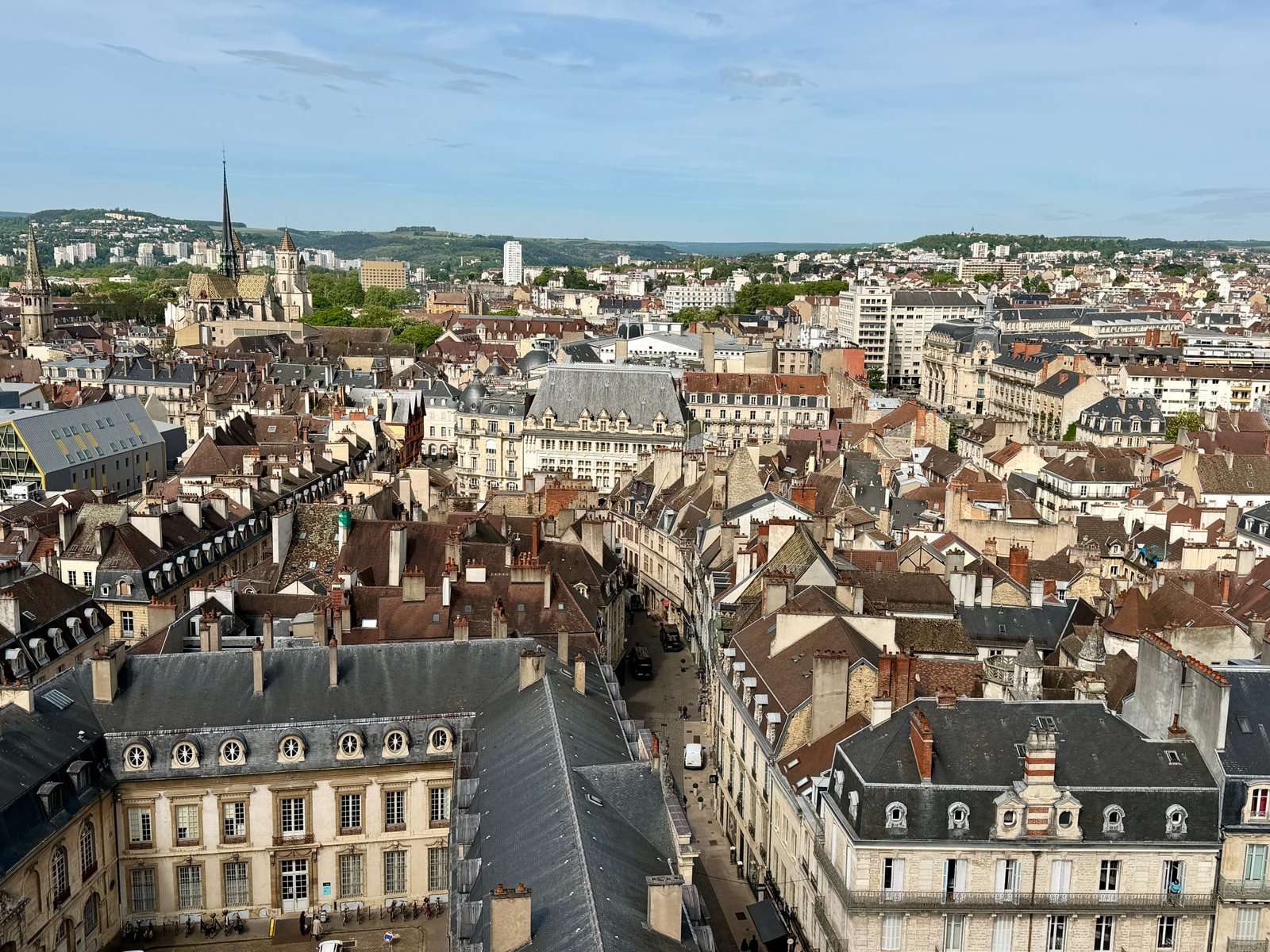
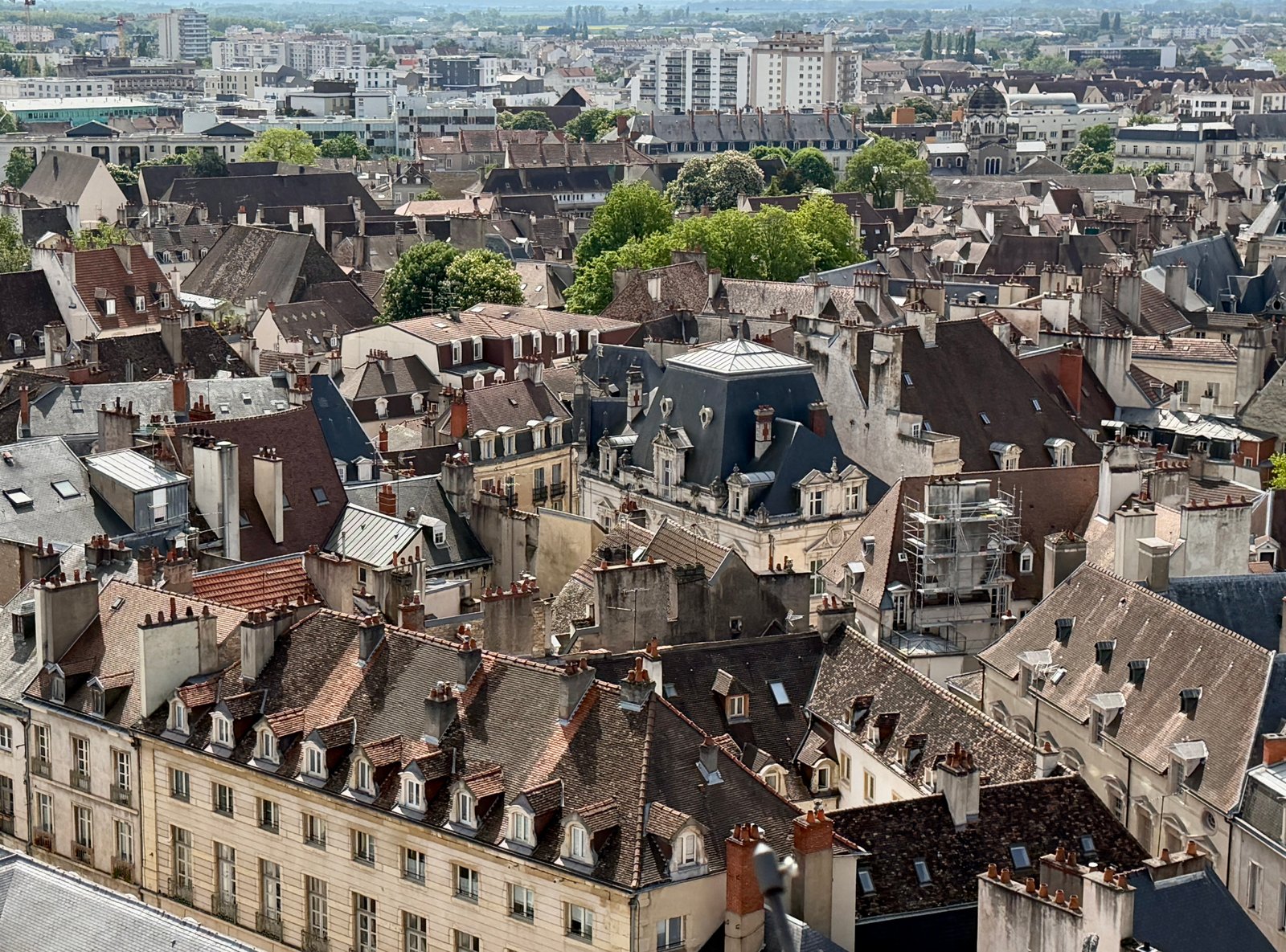
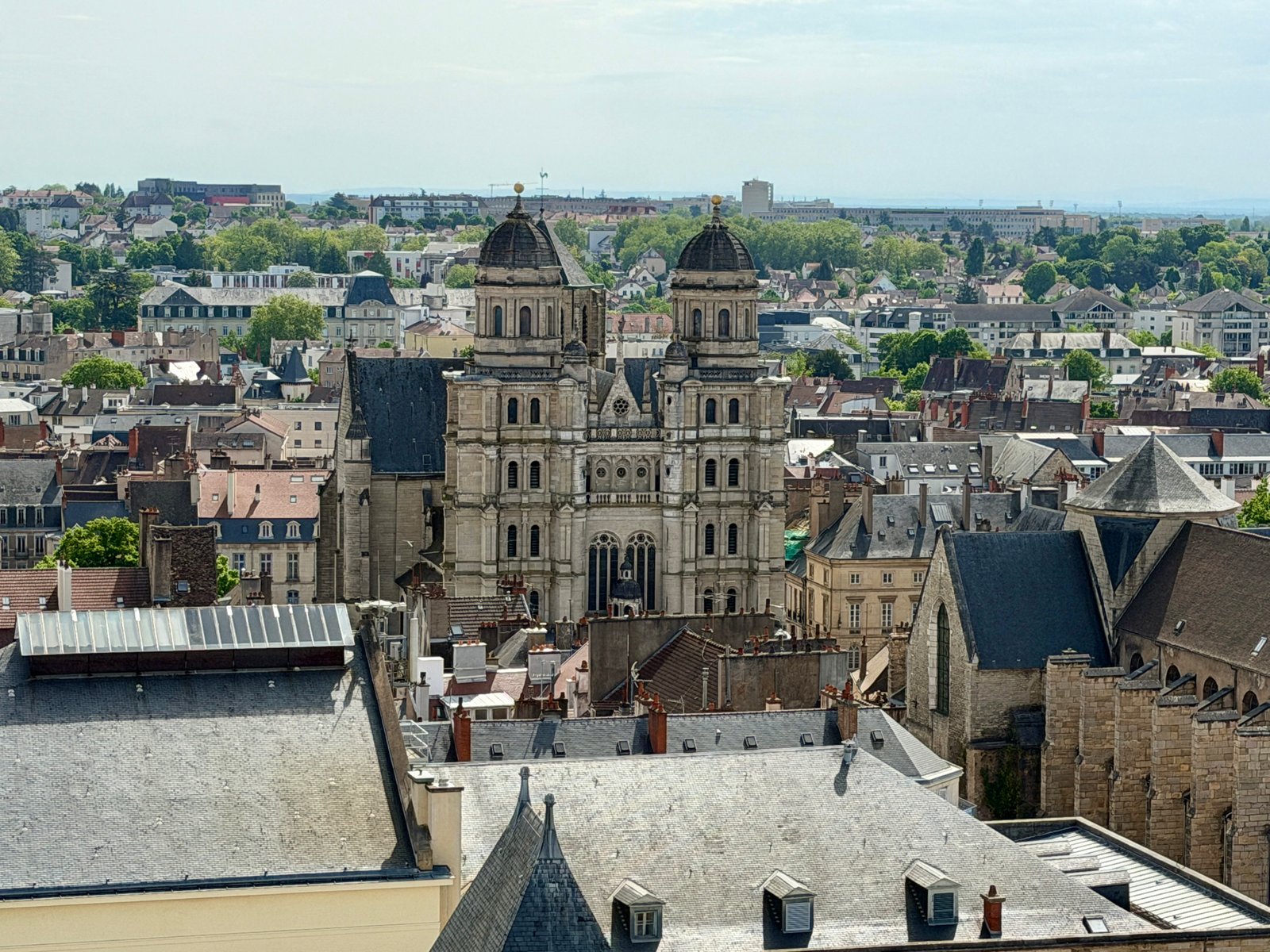
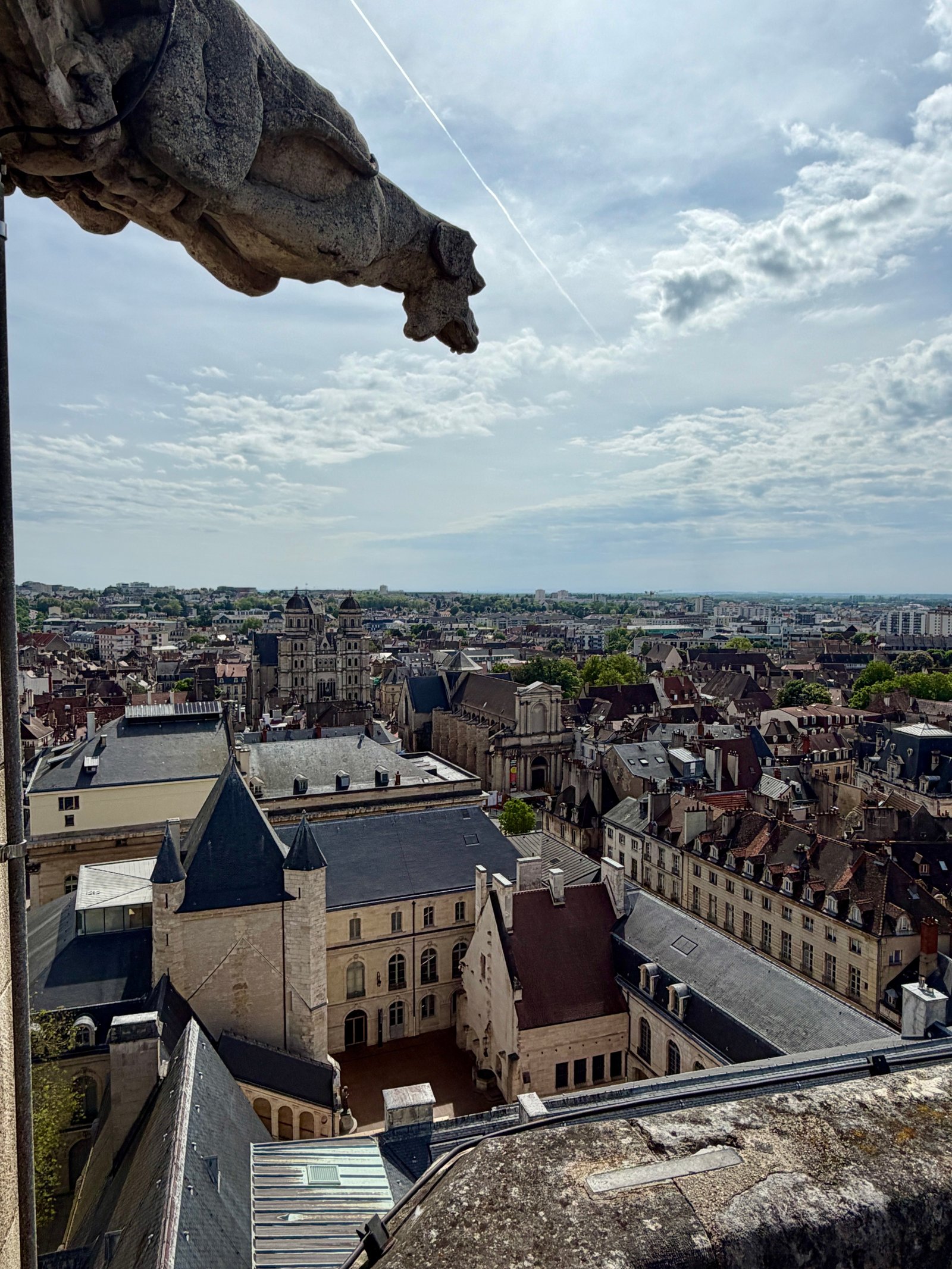
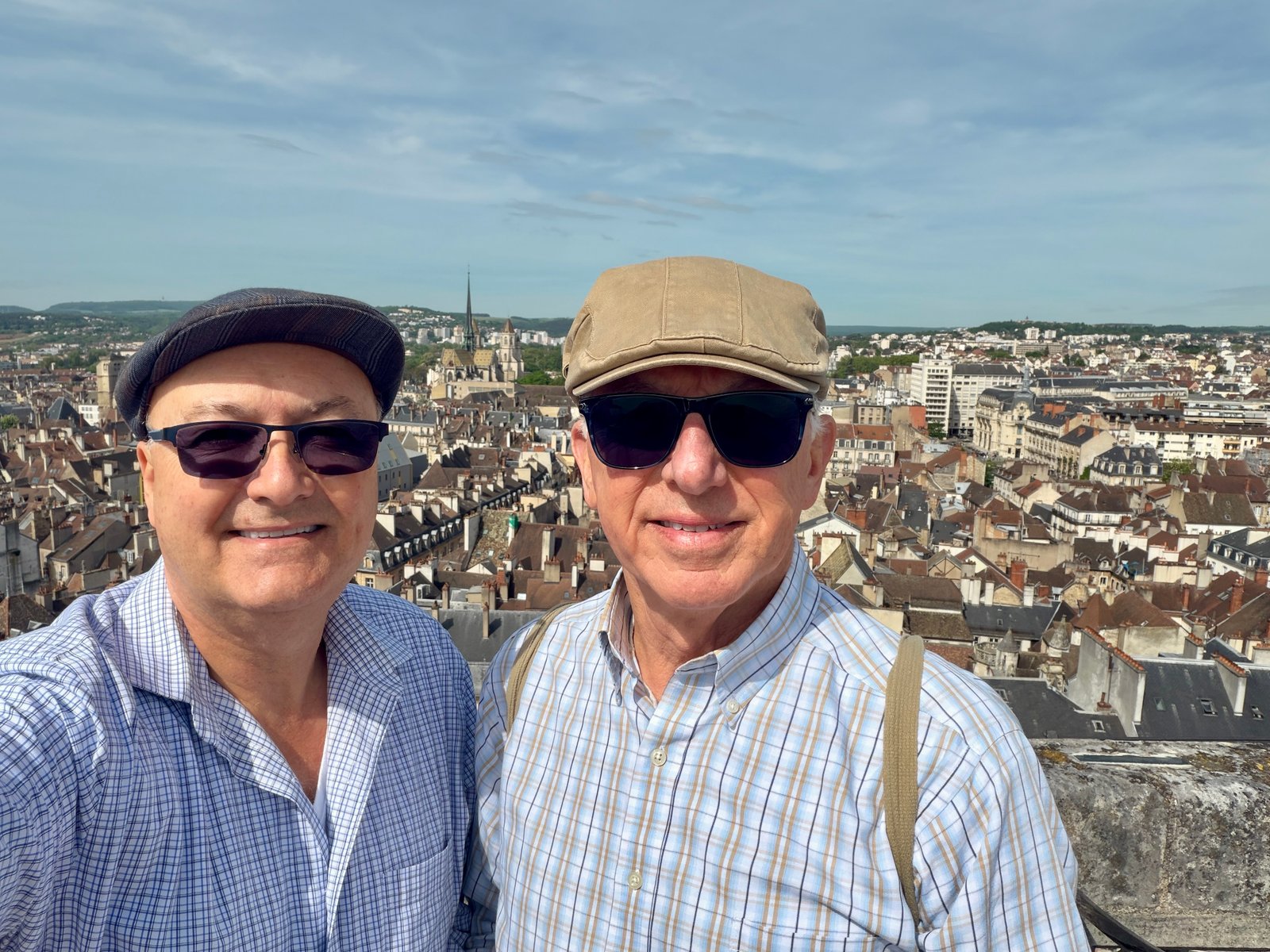
A final trail stop I’ll share with you is Tour Philippe le Bon (Philip the Good Tower 1450-1460). It’s part of the Ducal Palace. For one of the best views in the city, we climbed the spiral tower steps—all 316 of them. That spiral staircase definitely gets your attention as we struggled a bit. But once you reach the top, the views across Dijon are incredible and worth every step. Church spires rise above the city while Burgundy’s colorful patterned rooftops stretch in every direction.

Botanical Gardens
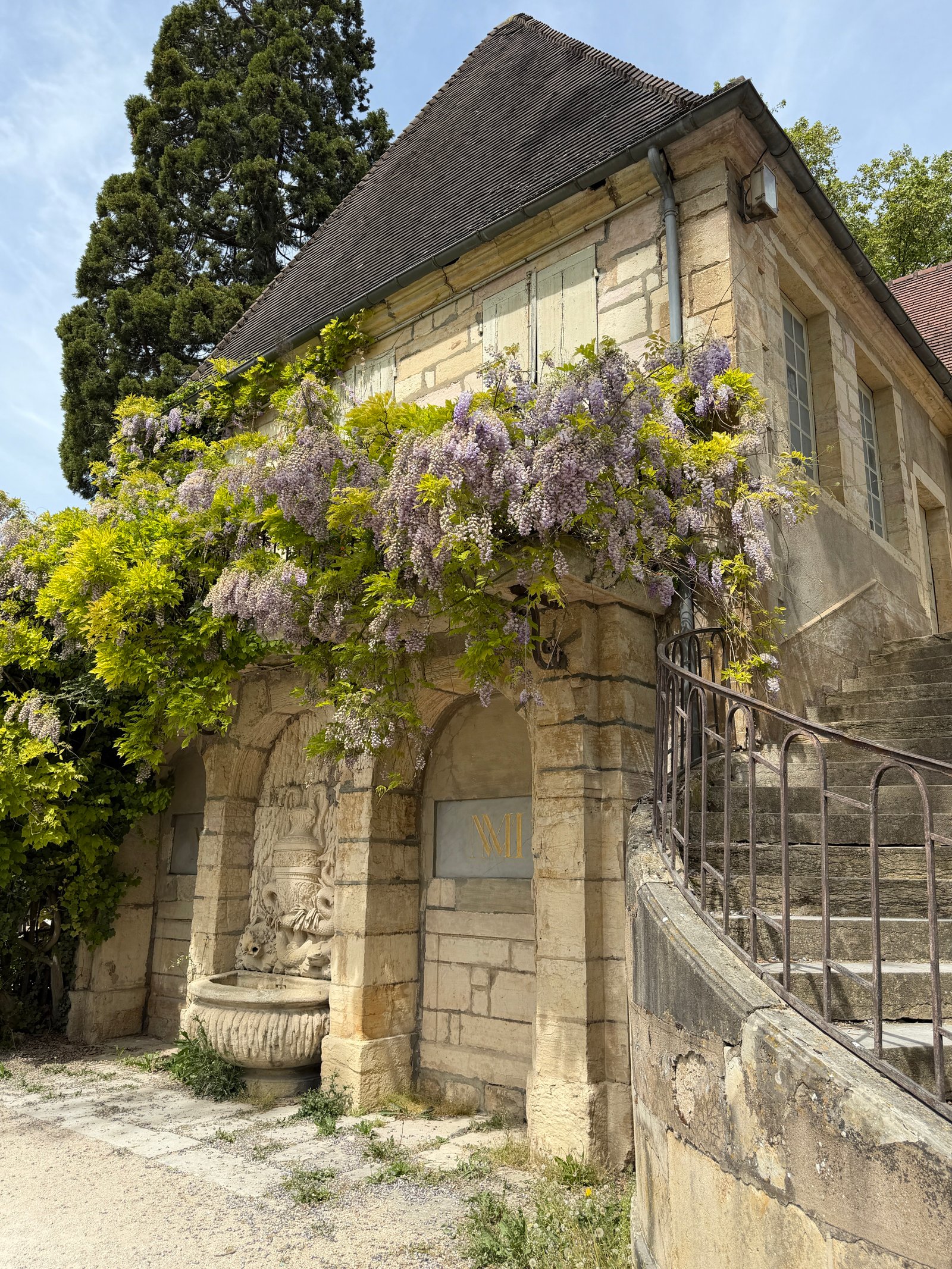
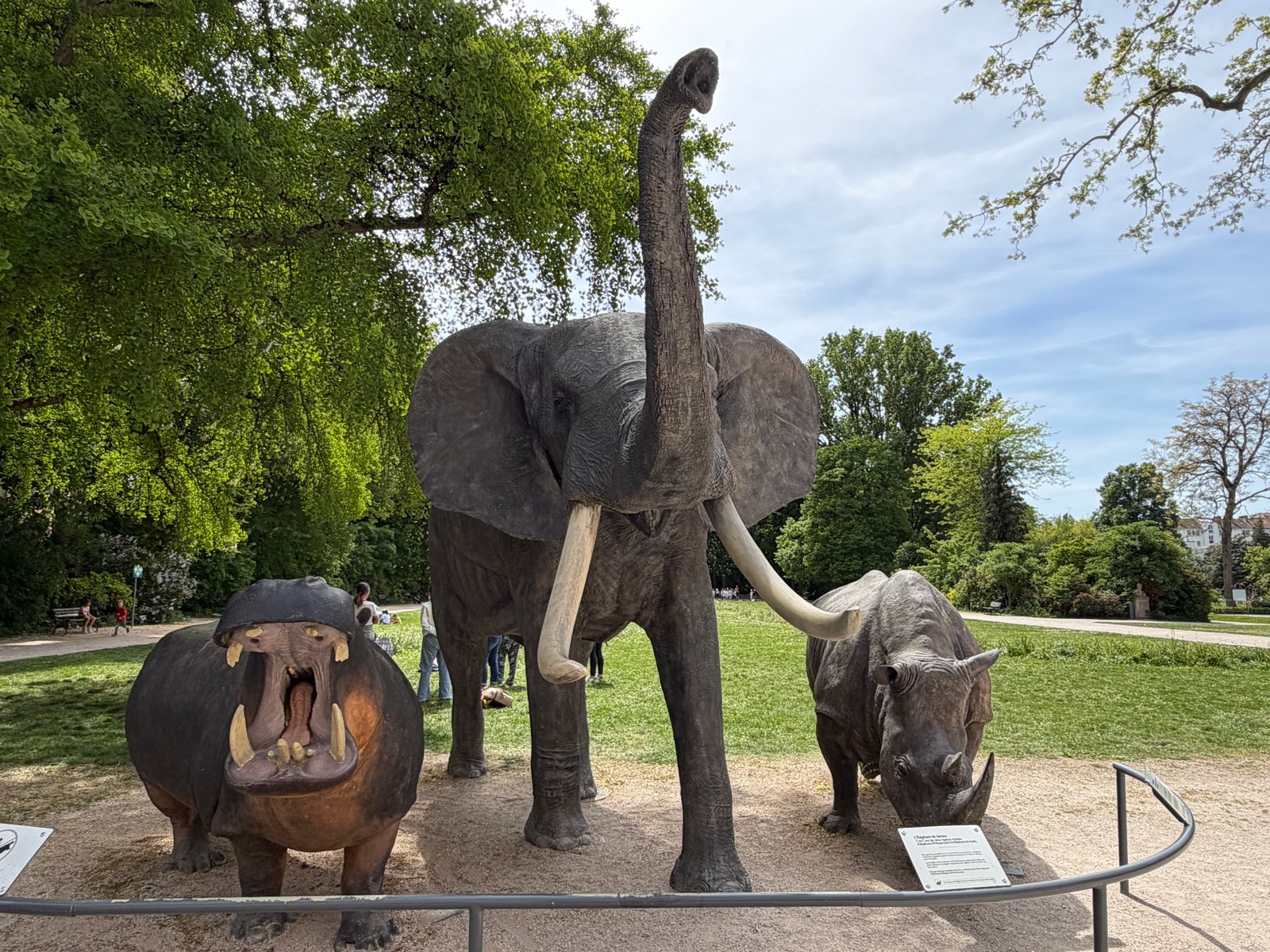
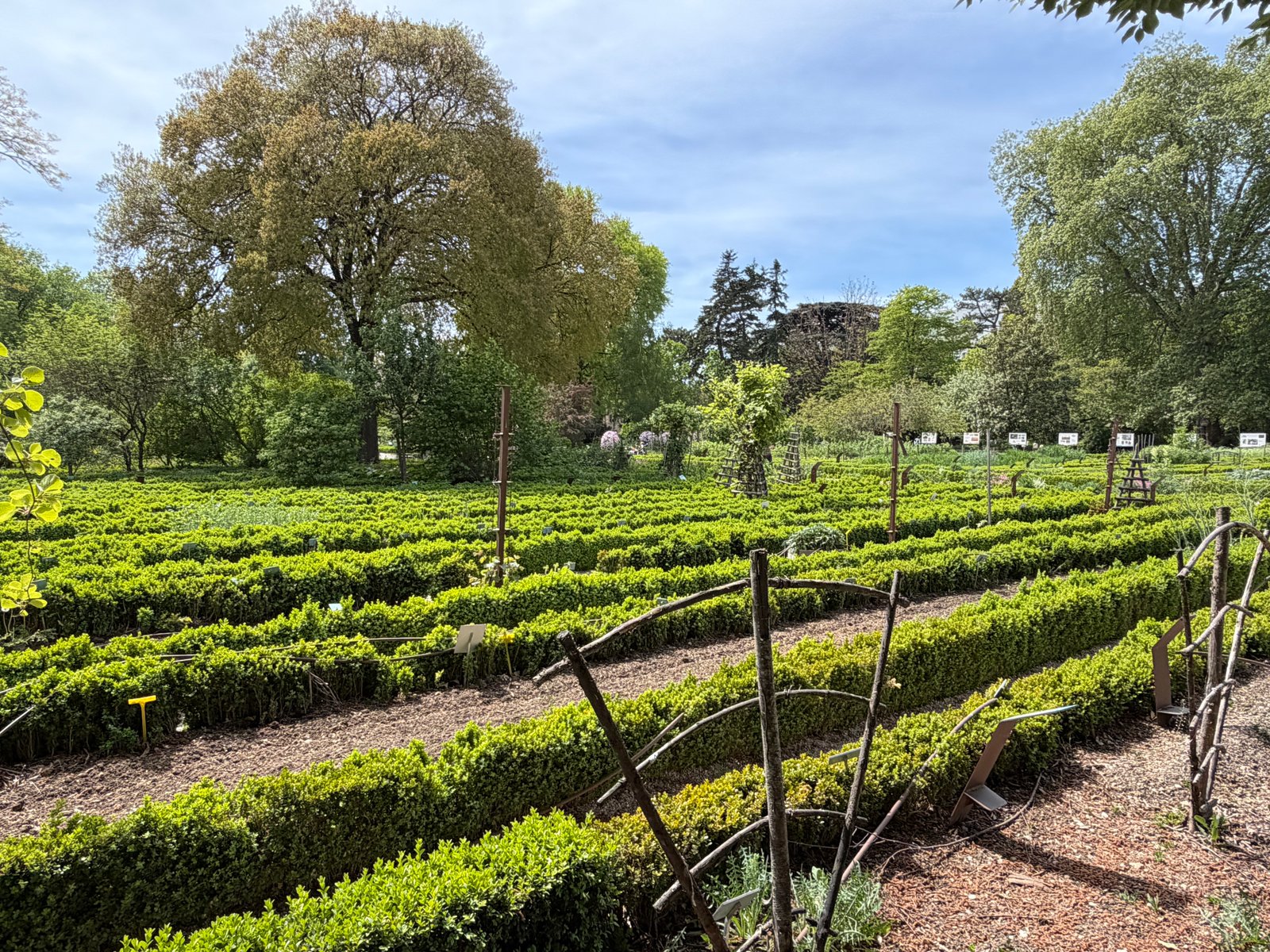
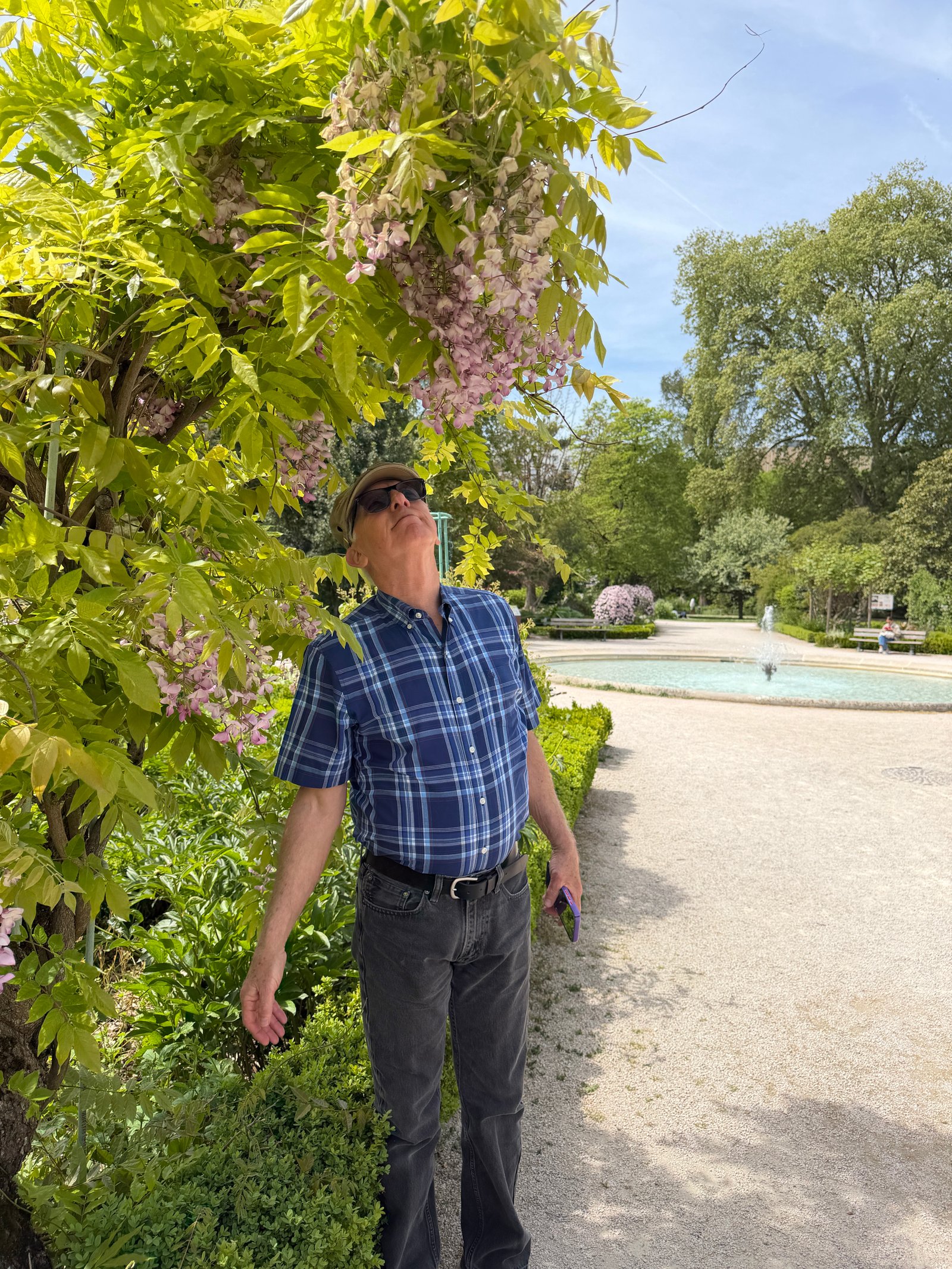
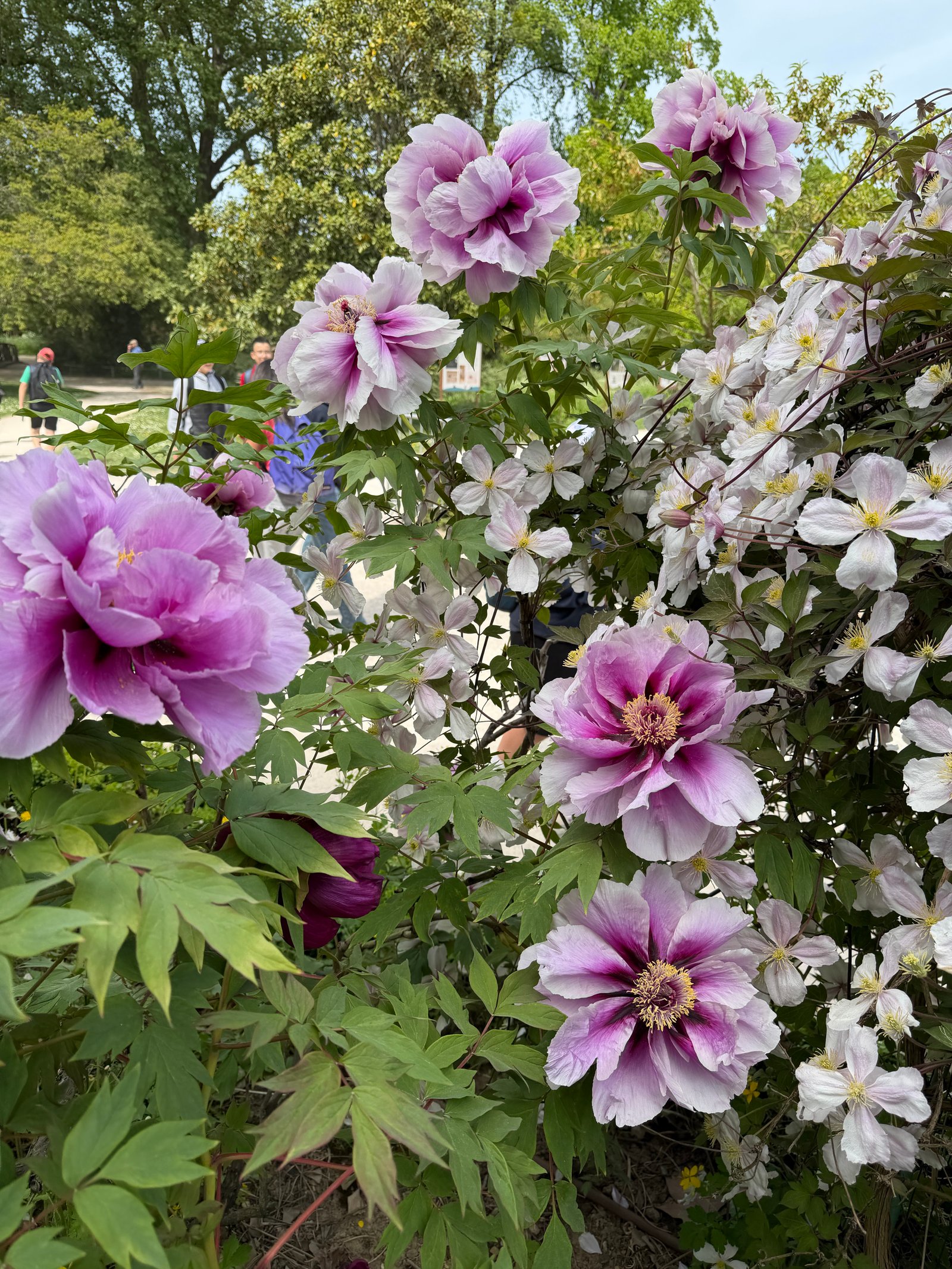
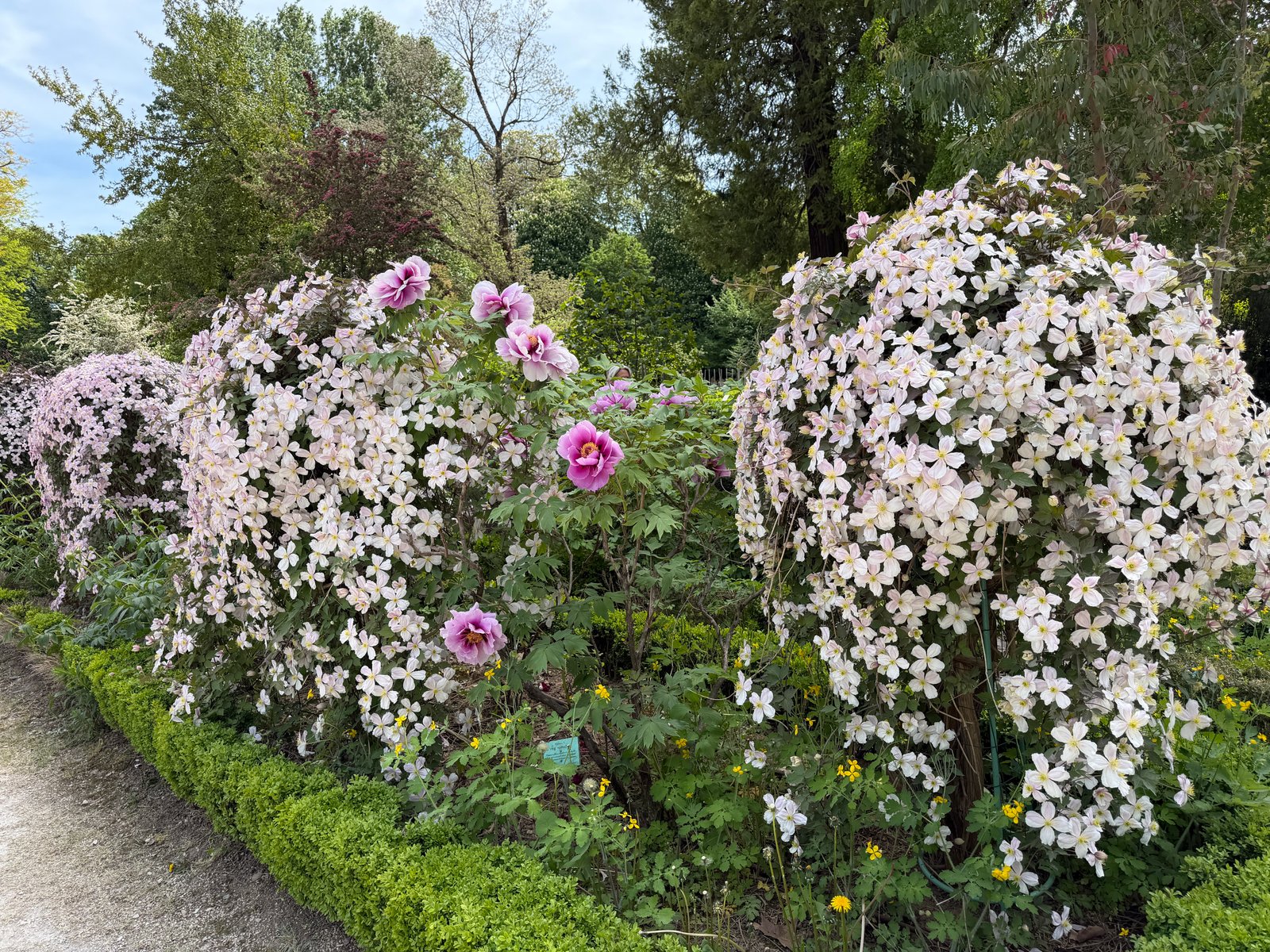
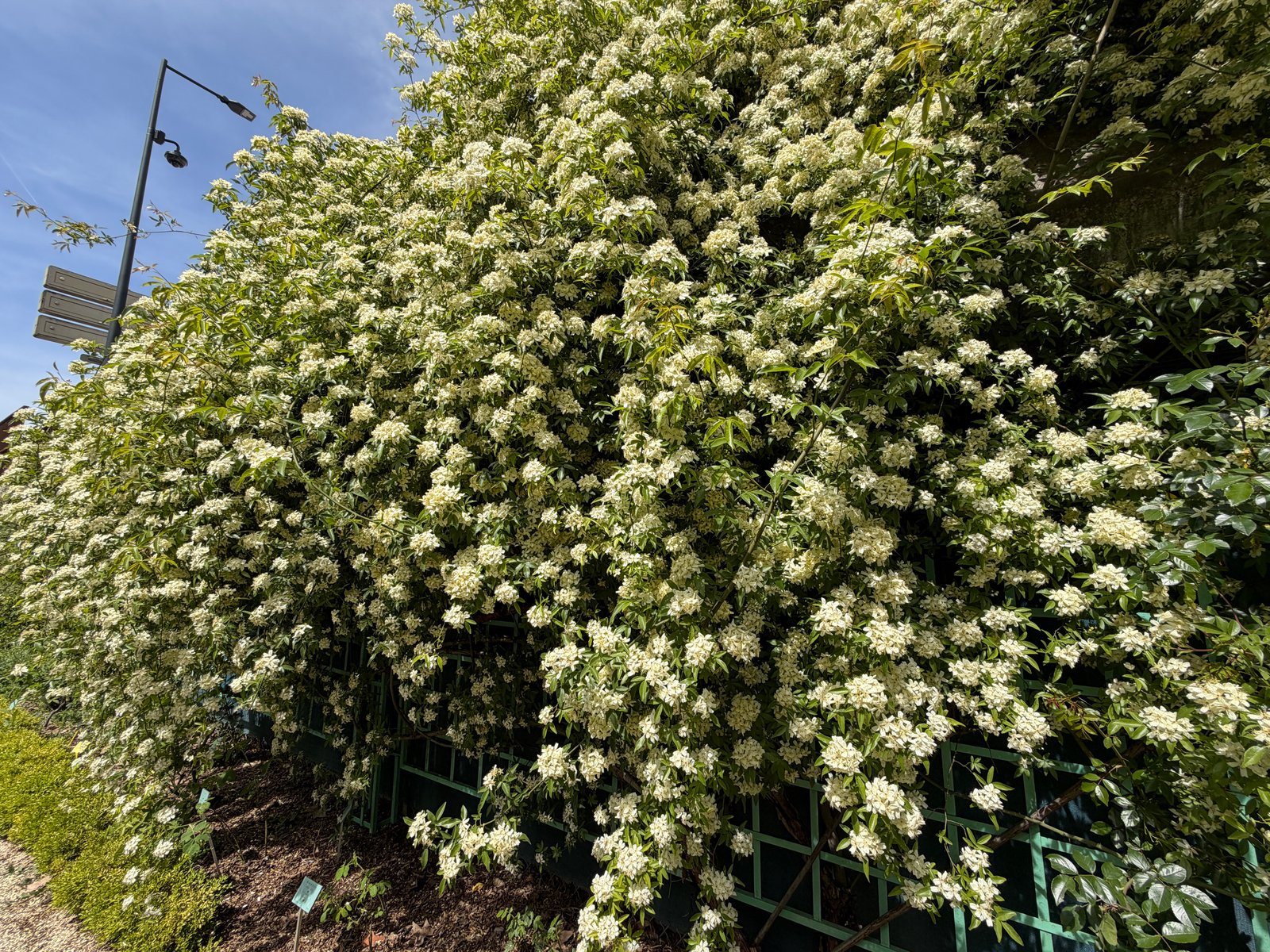
The Jardin de l’Arquebus, ceded to the city of Dijon in 1808, now consists of three areas. There is a botanical garden, museum and events area. There’s no charge to enter and it’s another perfect picnic place for us. The flowers smelled amazing.


Dijon, the city of mustard
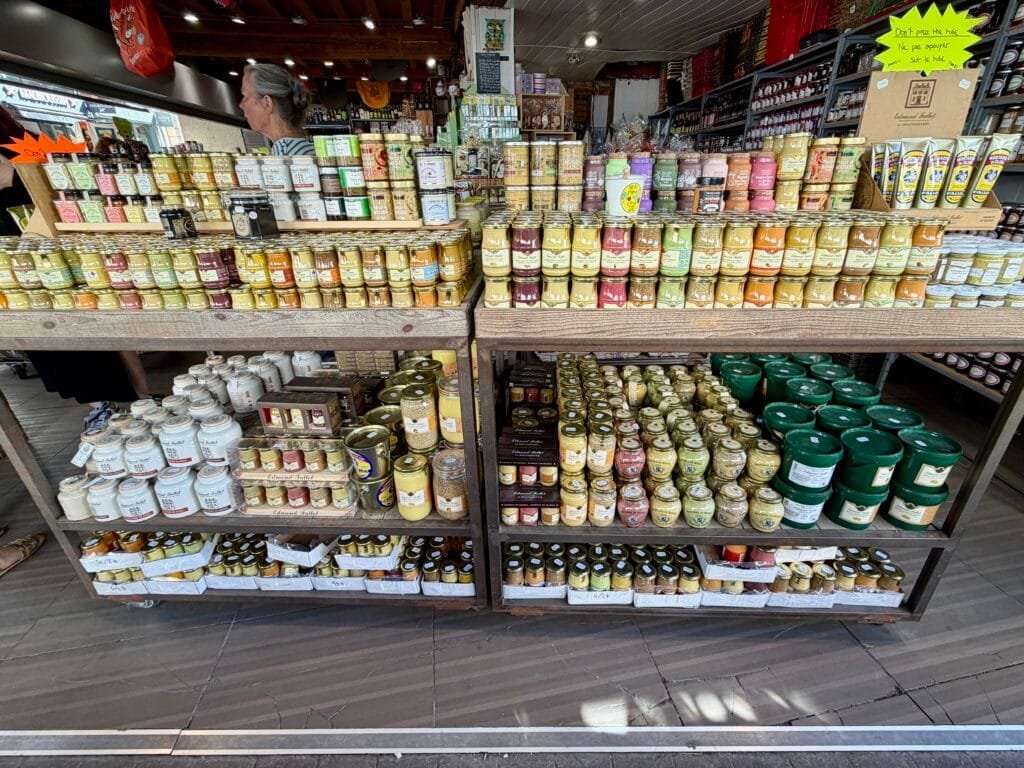
Dijon didn’t just lend its name to mustard—it helped define it. As early as the Middle Ages, the city became a hub for mustard production thanks to its position in the fertile Burgundy region, where vineyards supplied the acidic grape must (unfermented juice) that gave Dijon mustard its signature tang. By the 18th century, Dijon’s mustard makers had refined the recipe into the smooth, sharp condiment we recognize today, distinct from earlier, grainier versions. The city soon became synonymous with quality, with historic houses like Maille (founded in 1747 and once the official supplier to royalty) and Edmond Fallot carrying on the tradition today.
We visited both Maille and Fallot shops while in town. Yes, those are mustard kegs on tap for tasting at the Fallot counter. Help yourself! There seem to be a hundred different flavors. There are so many I really like, but I keep going back to my favorite—green peppercorn.


Cité Internationale de la Gastronomie et du Vin
Right in the middle of Dijon, the Cité Internationale de la Gastronomie et du Vin is where history and good eating come together in the best kind of way. This spot might feel shiny and new—it opened in 2022—but it’s built on the bones of the old Hôpital Général de Dijon, which dates back to the 1600s. What used to be a place caring for the sick is now full of life, with wine tastings, local bites, a cinema, shops, and stories behind the flavors that make this region special. Even the original chapel is utilized as an exhibition space.
They’ve done a beautiful job blending the old stone buildings with modern touches, and everywhere you turn there’s something to sip or sample. Unfortunately we stopped by mid afternoon on a weekday, so most of the restaurants and bars closed after lunch. But, it’s a fun, easy place to slow down and really appreciate what makes Burgundy such a big deal—good wine, great food, and a whole lot of history packed into one unforgettable stop. If you want to visit, plan ahead and visit at a time when everything is open.


Burgundy Wine Country Adds Even More Magic
Another thing that makes Dijon so special is its location in the heart of Burgundy wine country. Some of the world’s most famous vineyards sit just outside the city, and wine culture deeply shapes everyday life here. Even if you’re not a wine expert, it’s hard not to appreciate the beauty of the rolling countryside and centuries-old wine traditions.
There’s something relaxing about slowing down with a glass of Burgundy wine after spending the day exploring medieval streets. And honestly, Dijon feels like the kind of city that encourages you to slow down.
So why not take a wine and cheese tasting class? We had an awesome time with our host Emeline, a sommelier, who owns Vino Dilectio. The atmosphere is awesome. We were hosted underground in a vaulted cave. There were only four of us. We met a lovely couple from London in our class. She celebrated her 70th birthday, just like Danny. Whether you’re a seasoned wine lover or just beginning to explore Burgundy, this tasting is an unforgettable journey. Highly recommended—we would return in a heartbeat. So, if you’re ever in Dijon and want to enjoy a Burgundy wine experience, check out her workshops.


So, What Makes Dijon France So Special?
For us, it wasn’t one single attraction. It was the feeling of the town itself. Dijon blends history, food, architecture, wine, and everyday French life into something that feels genuine and welcoming. That’s what we loved most about Dijon. It somehow still feels like a small town where you can take your time. No big-city stress, just beautiful streets, incredible food, and moments you didn’t see coming. It never felt rushed or crowded. Instead, it invited us to slow down, wander more, walk everywhere and enjoy the small moments of daily life.
Some places impress you immediately. Dijon quietly wins you over one café, one cobblestone street, one delicious meal at a time. Oh, and don’t forget about the wine!
Now, we’re off to Orléans, France. So stay tuned.