
Join us as we journey to Orléans France to explore unique sites and local history. Along the way, we’ll also seek out hidden gems that make this city shine. Just last week we visited Dijon, France. By comparison, Orléans is even smaller, with a population of about 120,000 people.
There’s one thing we’ve learned traveling throughout France all these years. Sometimes the places you don’t hear about as much, end up being the ones you remember the most. That’s exactly how we felt stepping into Orléans. Sitting along the Loire River, this city blends big history with an easygoing, small-town feel. It makes you want to slow down and stay awhile.
A City Shaped by History and Joan of Arc
You can’t talk about Orléans without mentioning the Siege of Orléans. It’s the turning point in the Hundred Years’ War that put this city on the map. Right at the center of that story is Joan of Arc (1412-1431). She helped lift the siege and became a national symbol of France.
Joan of Arc was a young French heroine who played a key role during the Hundred Years’ War. In 1429, she led French troops to victory during the Siege of Orléans. This victory was the turning point that helped shift momentum in France’s favor. What makes her story remarkable is that she was just a teenager at the time. She had no formal military training, yet she inspired an entire army. She helped pave the way for King Charles VII of France’s coronation. Then her enemies captured and executed her in 1431 on charges of heresy (witchcraft). Her captors accused her of wearing men’s clothing and following visions they believed came from demons rather than from God. A court found her guilty and officials burned her alive at the stake in May 1431. She was just 19 years old.
Today, she remains a national symbol of courage and faith. In Orléans, her legacy is everywhere, from statues and festivals to the very streets you walk. Every spring, Orléans still celebrates her during the Fêtes Johanniques (Joan of Arc Festival). It’s one of the oldest traditional festivals in France which started in 1430. We are excited that we happen to be in town during the 10 day festival this year.
First Sundays and Museums are Free
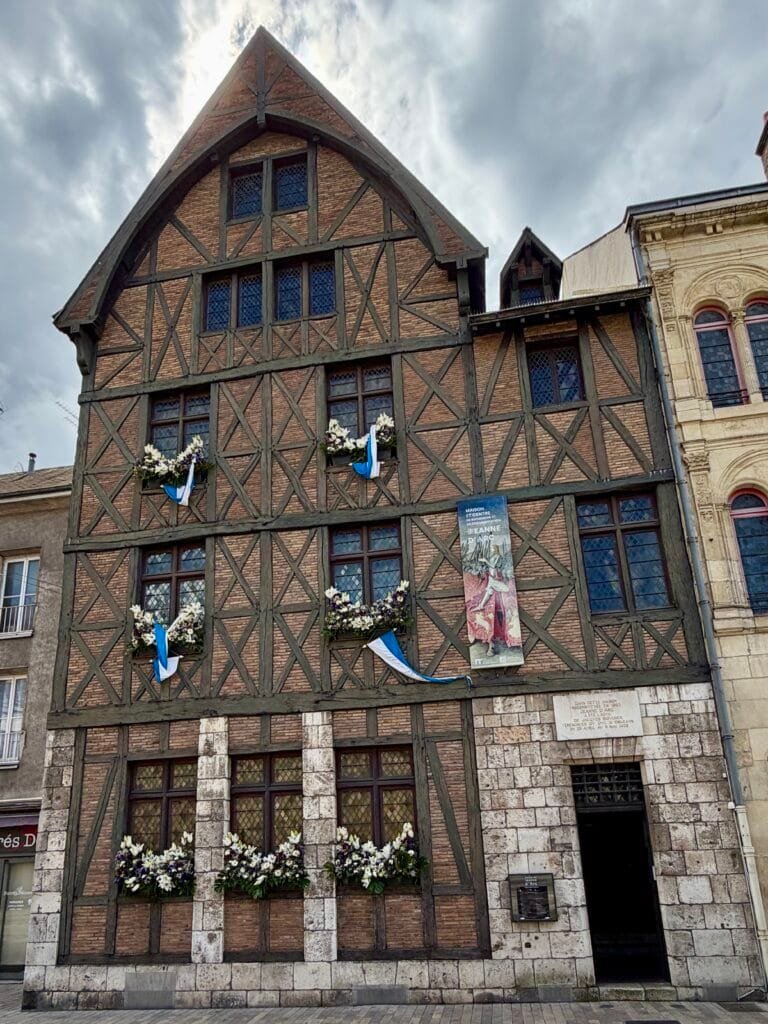
We stopped by the Orléans Tourist Office to pick up a city map to plan our day. They told us that today happens to be the first Sunday of the month when the museums are free today. Since it’s a rainy day, we decided it’s the perfect time for a few quick museum tours.
Our first stop is La Maison Jeanne d’Arc (Joan of Arc House). In the spring of 1429, she spent ten days in the home of the treasurer to the Duke of Orléans. A fire destroyed it in 1940, and workers later reconstructed it. The museum, dedicated to Joan of Arc, opened in 1965.
There is an interesting 15 minute multimedia presentation about her life, which is open to the public. Researchers who want to study the archives kept there can access the rest of the building by appointment.
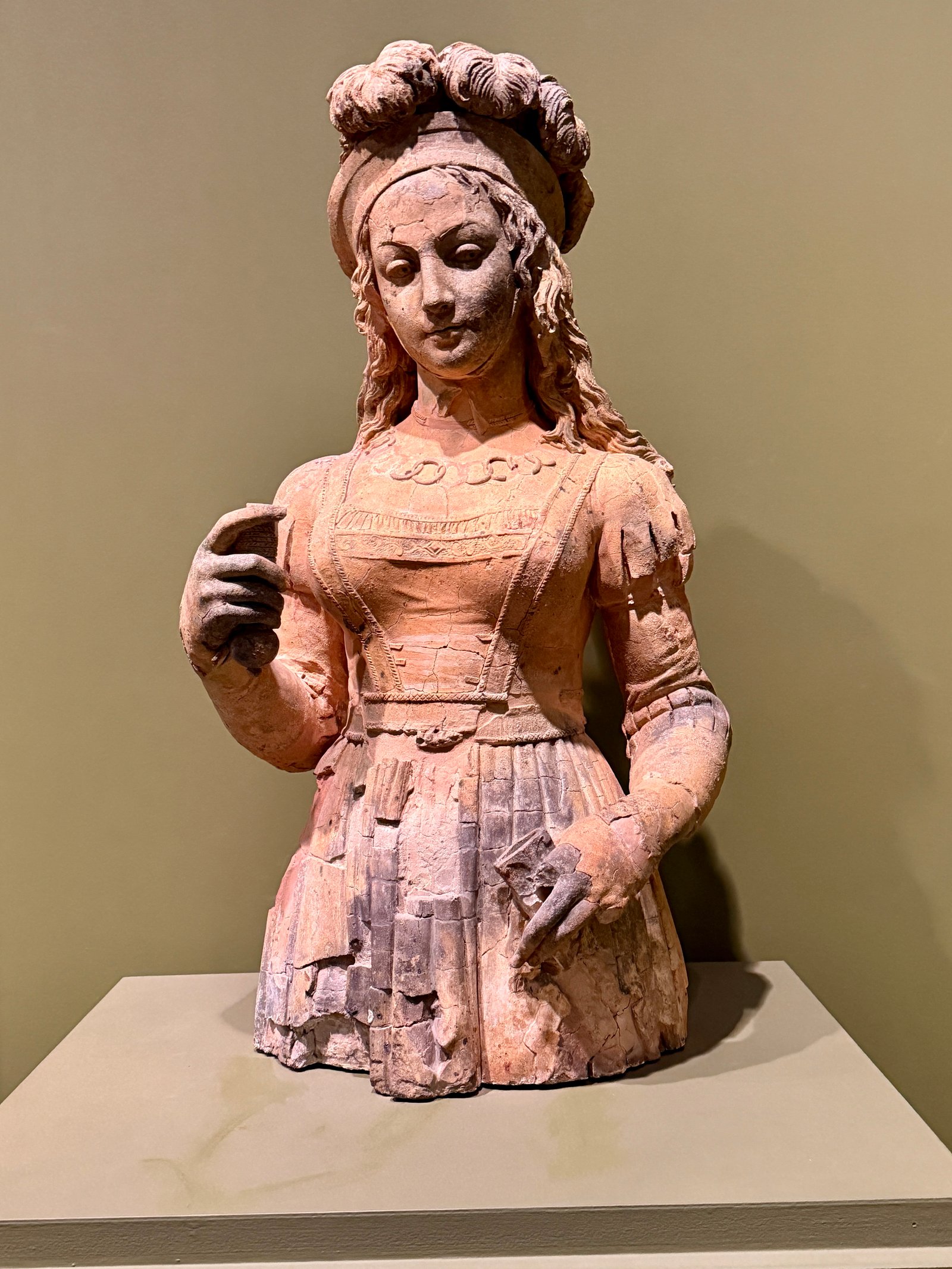
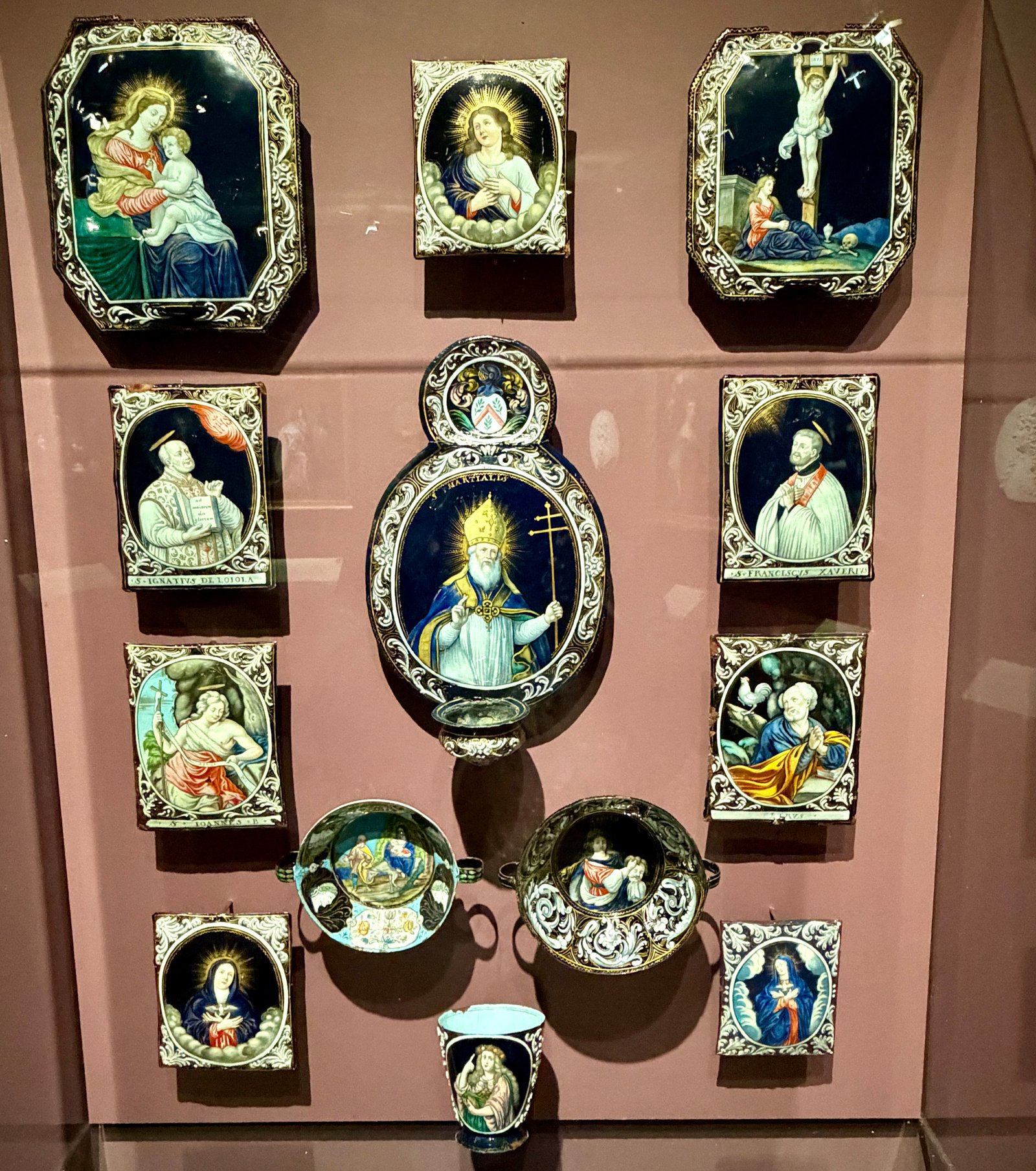
Our next museum visit is the Hôtel Cabu, Orléans Museum of History and Archaeology. Built in 1550 for lawyer Philippe Cabu, this manor house later came under city ownership in 1862. Officials purchased it to display Roman artifacts, medieval history, and several representations of Joan of Arc.


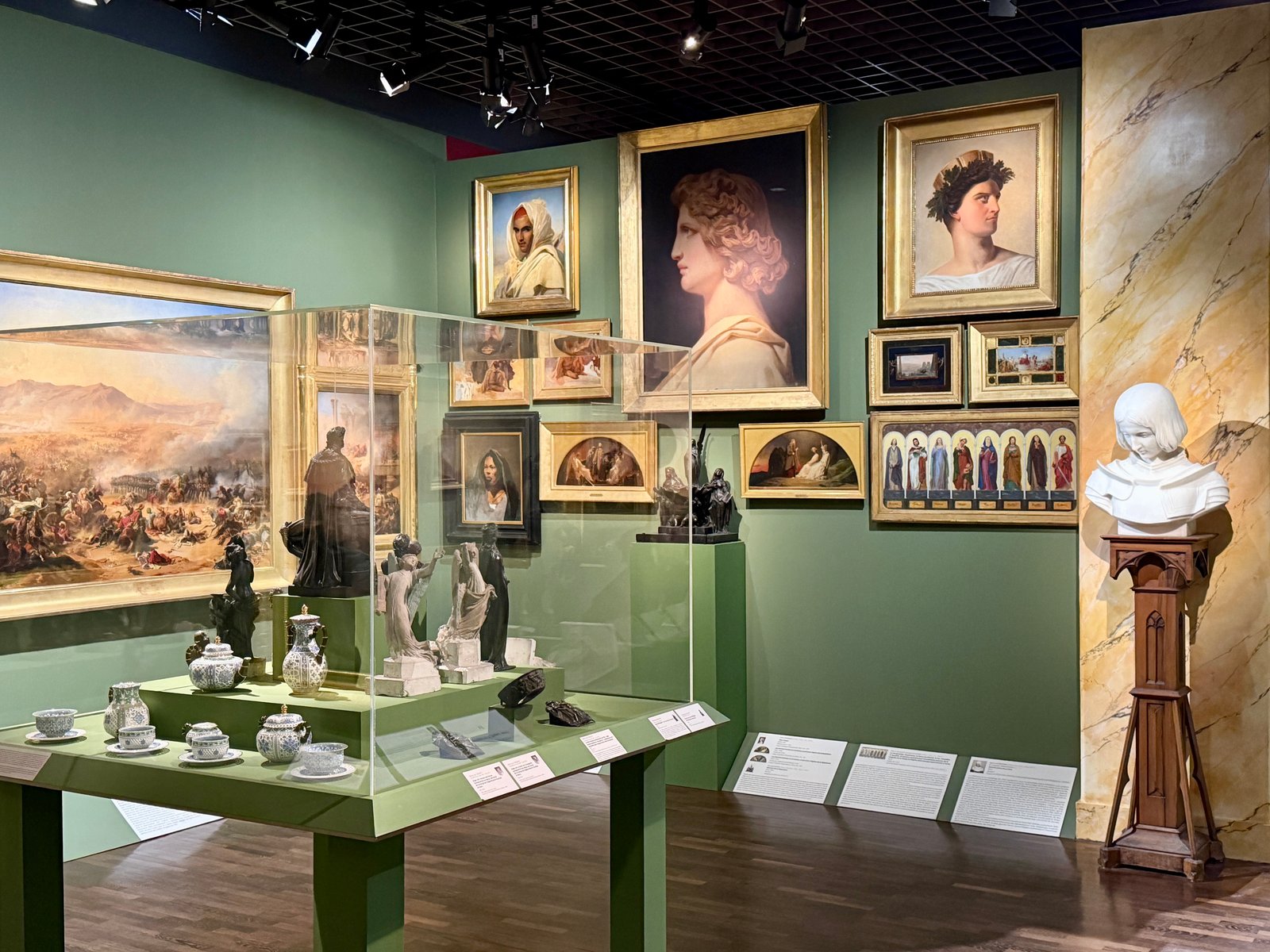
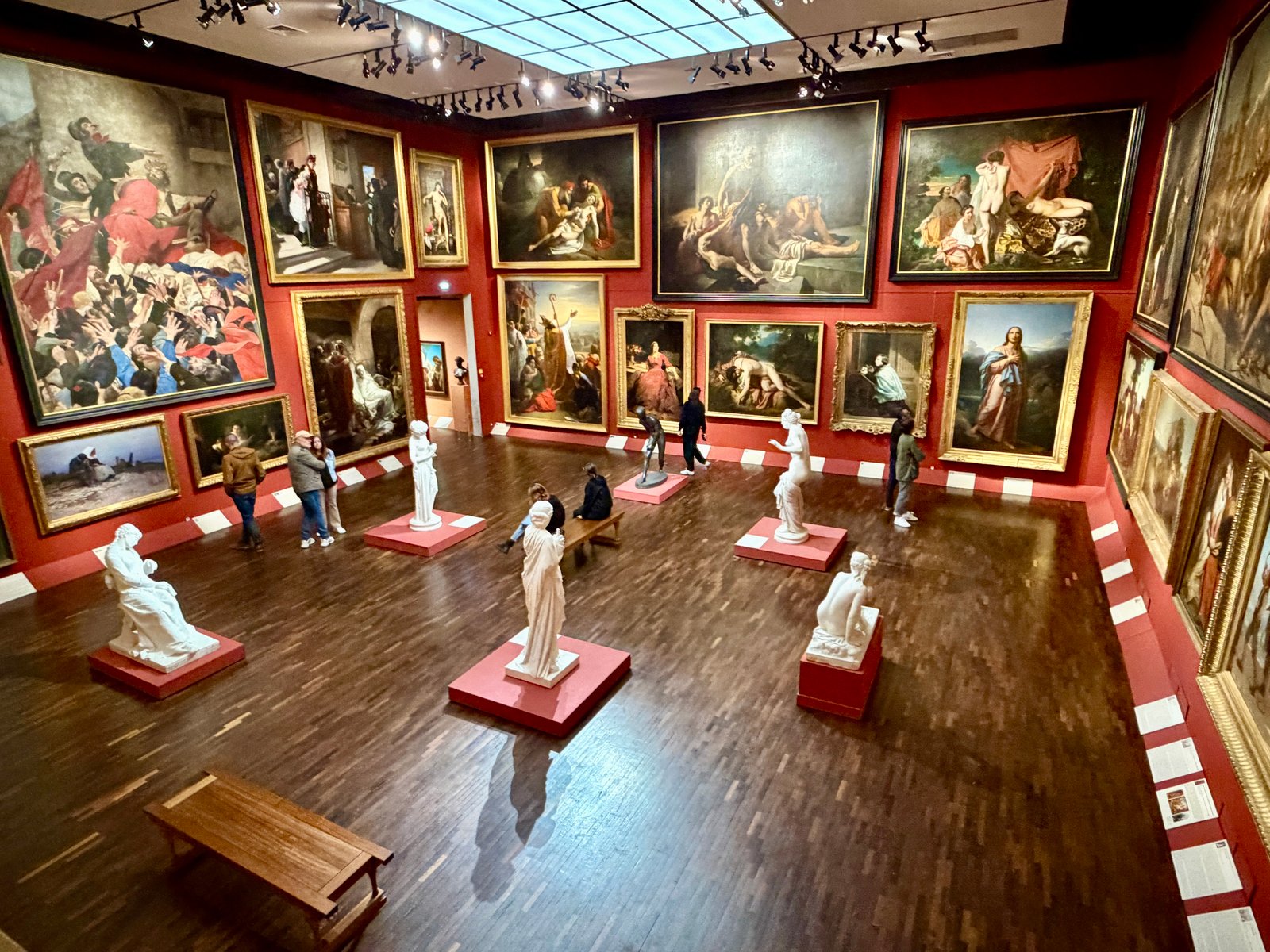
Our final museum of the day is the Museum of Fine Arts, originally created in 1799. It covers European art from the 15th through the 20th centuries. Over 1,200 works are on display. It feels like finding a hidden treasure in the heart of Orléans. One room holds grand old master paintings, the next opens into delicate pastels and elegant sculpture. It’s the kind of museum that feels manageable instead of overwhelming. Yet it surprises you with works by artists whose names you’d expect to find only in bigger cities.



Cathédral Sainte Croix d’Orléans (Holy Cross Cathedral)
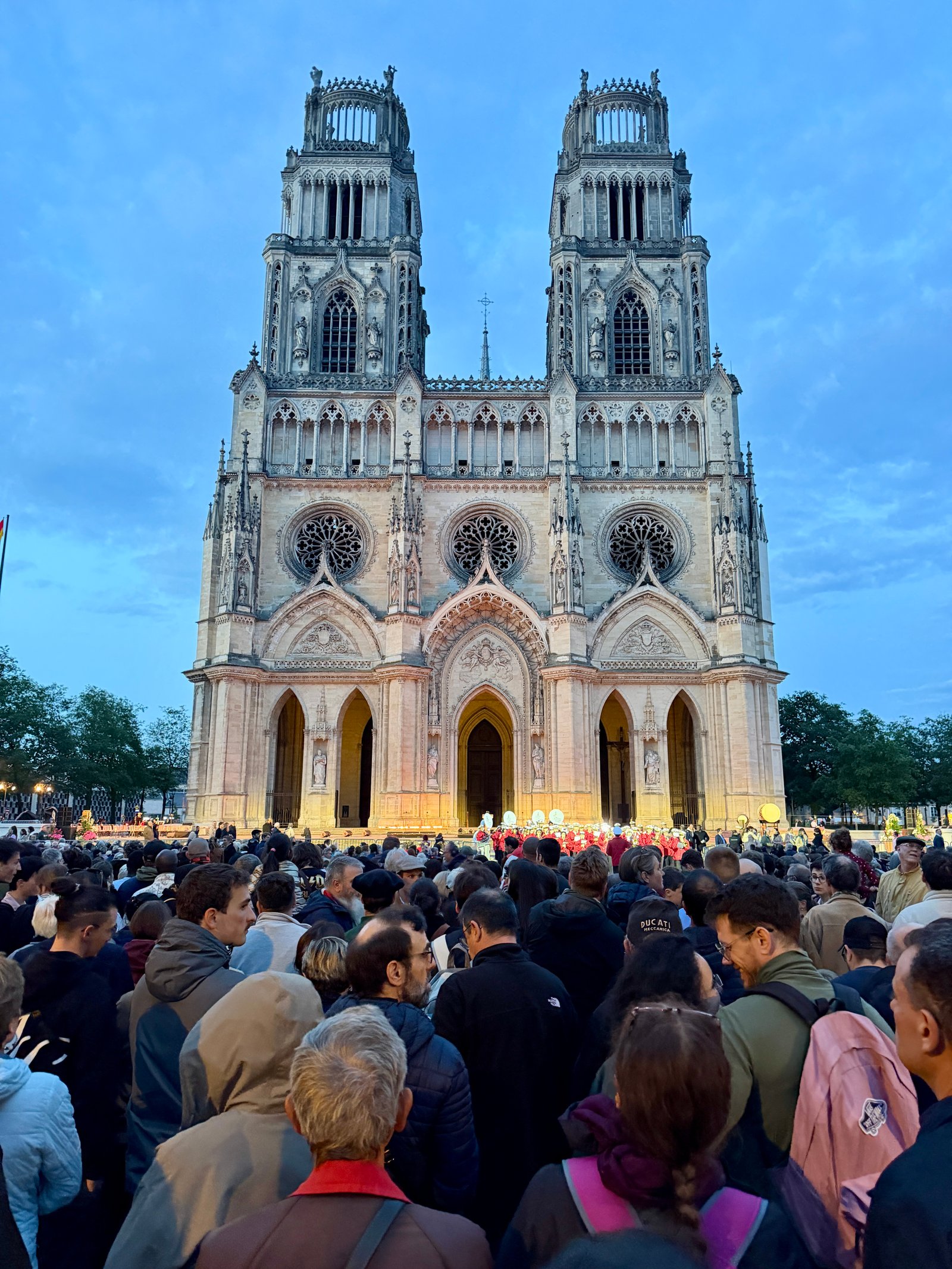
We stopped at the impressive Roman Catholic Orléans Cathedral to marvel at its soaring Gothic architecture and stained glass windows. It’s the kind of place that stops you in your tracks. Cathédrale Sainte-Croix d’Orléans takes its name from the relics of the Holy Cross. The church has kept these relics, believed to come from the crucifixion of Jesus Christ, at this site since the 7th century.
The Cathedral, with its foundation stone laid in 1287 on ancient Roman ruins, holds a significant place in history. Joan of Arc worshipped here in 1429. Invaders virtually destroyed the building in 1568. Workers laid a new foundation stone in 1601 to begin the current construction. After 542 years of labor, officials finally inaugurated the Cathedral in 1829. The cathedral houses ten stained glass windows dedicated to the life and story of Joan of Arc.


Exploring the Old Town
Orléans feels like a real working French city. But its old town still holds onto the kind of charm travelers hope to find. It has stone streets, half-timbered houses, little squares, and café terraces where people seem in no hurry to leave. Plus, the historic center is wonderfully walkable. Strolling through streets, we passed colorful facades, small shops, bakeries, and restaurants tucked into centuries-old buildings. It has that easygoing atmosphere that makes you want to slow down and wander without much of a plan.


What we liked most about old town was how livable it feels and it’s mostly pedestrian. It isn’t just a collection of historic monuments—it feels like a neighborhood where history and everyday life blend together. Locals shop at markets, friends meet for coffee, and the narrow lanes open unexpectedly onto sunny little squares.
If you enjoy places that feel authentic rather than overly polished, old town Orléans is easy to love. It’s friendly, full of history, and has the kind of relaxed charm that makes you want to linger.
Place du Martoi
Place du Martroi, the vibrant and bustling central square of Orléans, France, stands as the city’s heartbeat. Dominating the square is a magnificent bronze equestrian statue of Joan of Arc, unveiled in 1855. The square also boasts a charming carousel, numerous cafes with inviting terraces, and serves as a lively hub for local events and markets. However, we’re here early on Sunday, so it’s very quiet.


Shopping on Rue Royale
Rue Royale, an iconic street, is a destination for fashion enthusiasts and history buffs alike. It begins just off the Place du Martoi. Everyone knows this street for its elegant shopping arcades and well-preserved symmetrical architecture. King Louis XV commissioned this street, specifically requiring that the building facades adhere to a consistent design.


Rue de Bourgogne & Rue Jeanne d’ Arc
These two picturesque streets are filled with restaurants, cafés, and historic buildings—great for both food and atmosphere. Rue de Bourgogne is Orléans longest and oldest street.


The Rue Jeanne d’Arc links Rue Royale directly to the Cathedral. It’s also where the festival parade is held.


Hôtel Groslot
Across from the Cathedral and the Museum of Fine Arts, Hôtel Groslot instantly caught our eye with its red-brick Renaissance façade and storybook feel. Built in the 1500s for Jacques Groslot, this elegant mansion later became Orléans’ city hall. King François II died here in 1560. Walking through its richly decorated rooms felt like stepping straight into French history. But what we loved most was how approachable it all felt. It didn’t have barriers, just a beautiful old building sitting right in the heart of town, quietly sharing centuries of Orléans’ story.
A hidden gem in plain site is found at the Hôtel Groslot. You might walk by it and not take a second glance. But look for the Joan of Arc statue by Princess Marie d’Orléans near the entrance. When you look closely at the hem of her dress, you can see bullet holes from battle during the liberation of Orléans in 1944. A royal princess creating one of the city’s most beloved Joan images is quite unusual. Inside the ceremonial rooms we found portraits and decorative historic interiors that felt like we stepped into a Renaissance stage set.


On the Banks of the Loire River
Beyond the old town streets, the nearby banks of the Loire River add another layer of beauty to the city. Just a short walk from the center gives you wide river views, long promenades, and a reminder of why this part of France has inspired travelers for centuries. The George V Bridge (1751-1760) is an arched stone bridge extending 1,000+ feet across the Loire River. But whether you’re crossing this historic bridge or just strolling along the banks, this is where the city really breathes. It’s peaceful, scenic, and a nice contrast to the busier historic streets.
The last few photos show the locks and beginning of the Canal d’Orléans, completed in 1692. The canal extended about 48 miles to connect with other canals leading to the Seine in Paris. Its golden age was the 18th century, when boats carried timber, coal, wine, grain, and other cargo. Like many canals in France, it declined once railroads and trucks took over. Commercial navigation ended in 1954. Today, the canal has a completely different feel. Instead of cargo barges, you’ll find shady paths, old stone locks, and locals out walking or cycling. The canal feels like a glimpse into the past where you can easily picture what travel looked like here a few hundred years ago.


The View from the Other Side of the Loire and the Botanical Gardens
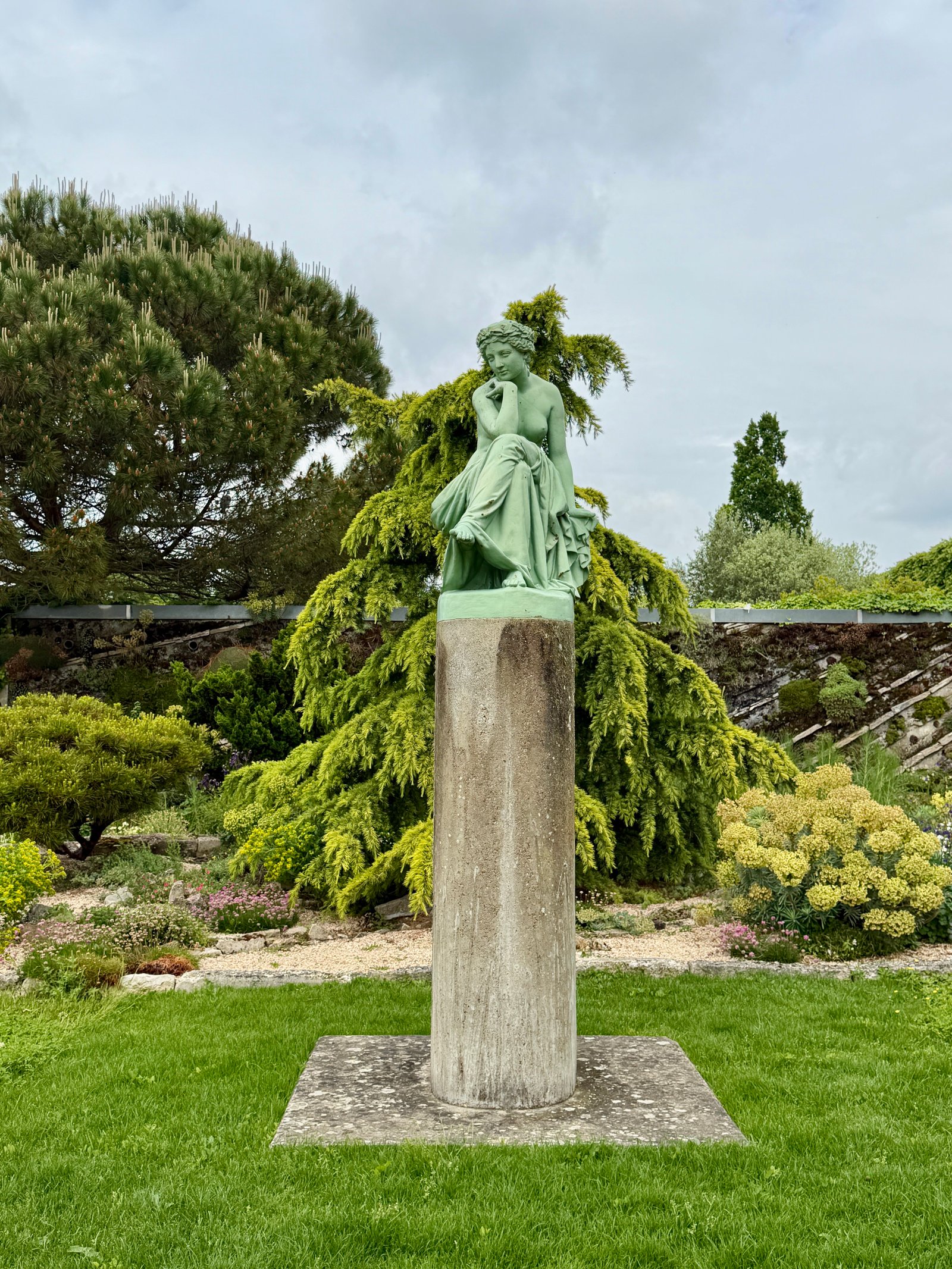
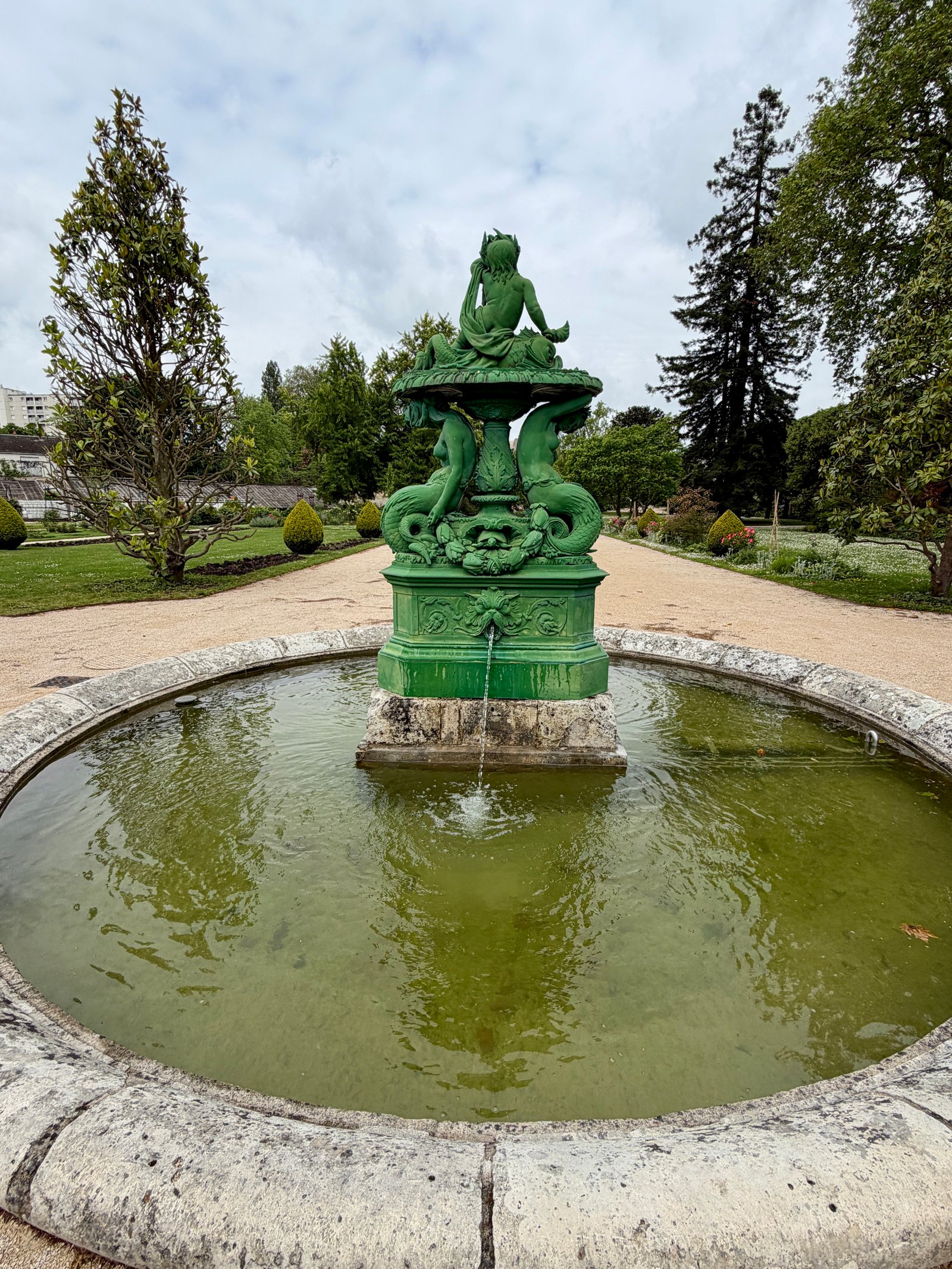
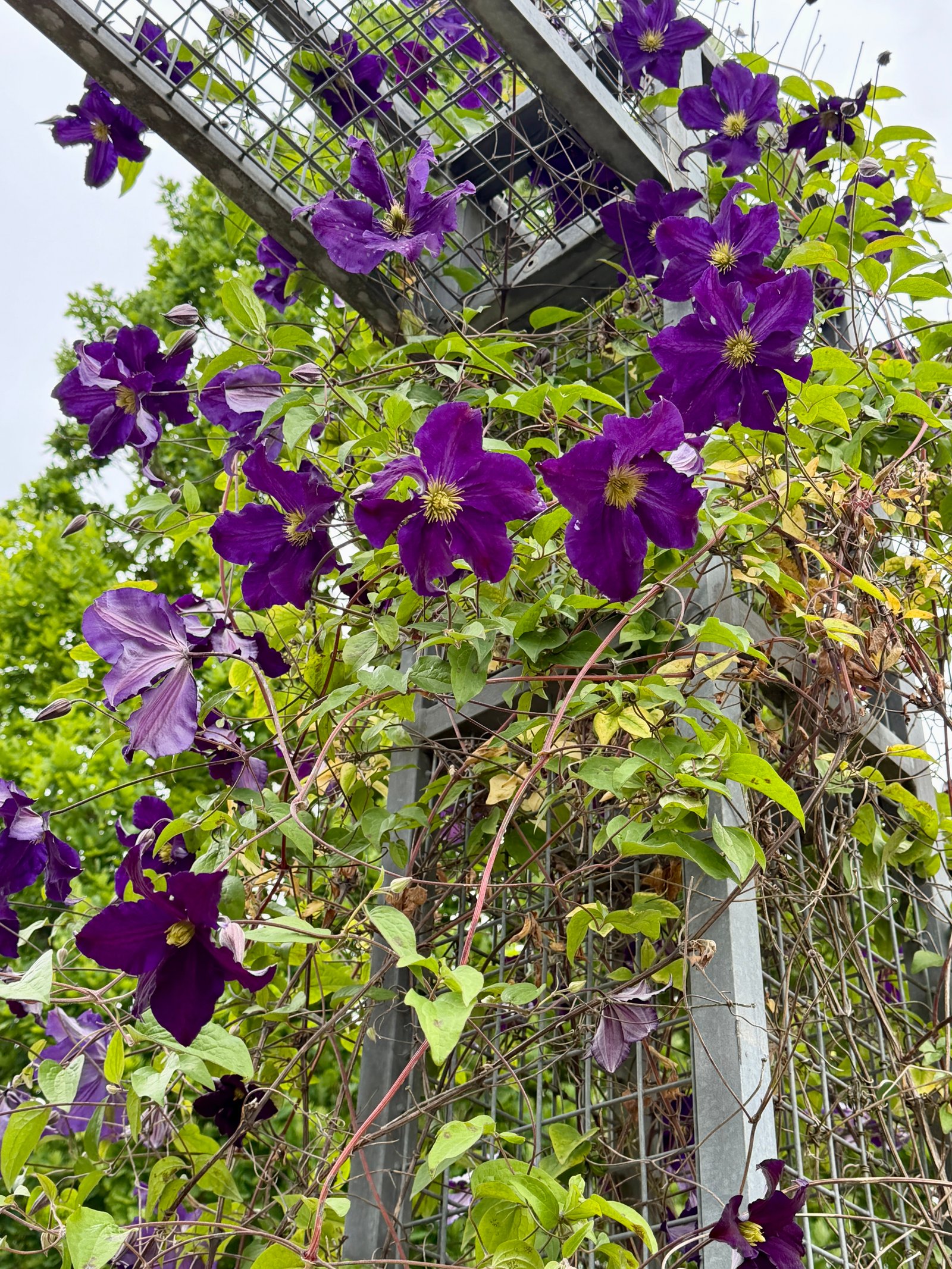
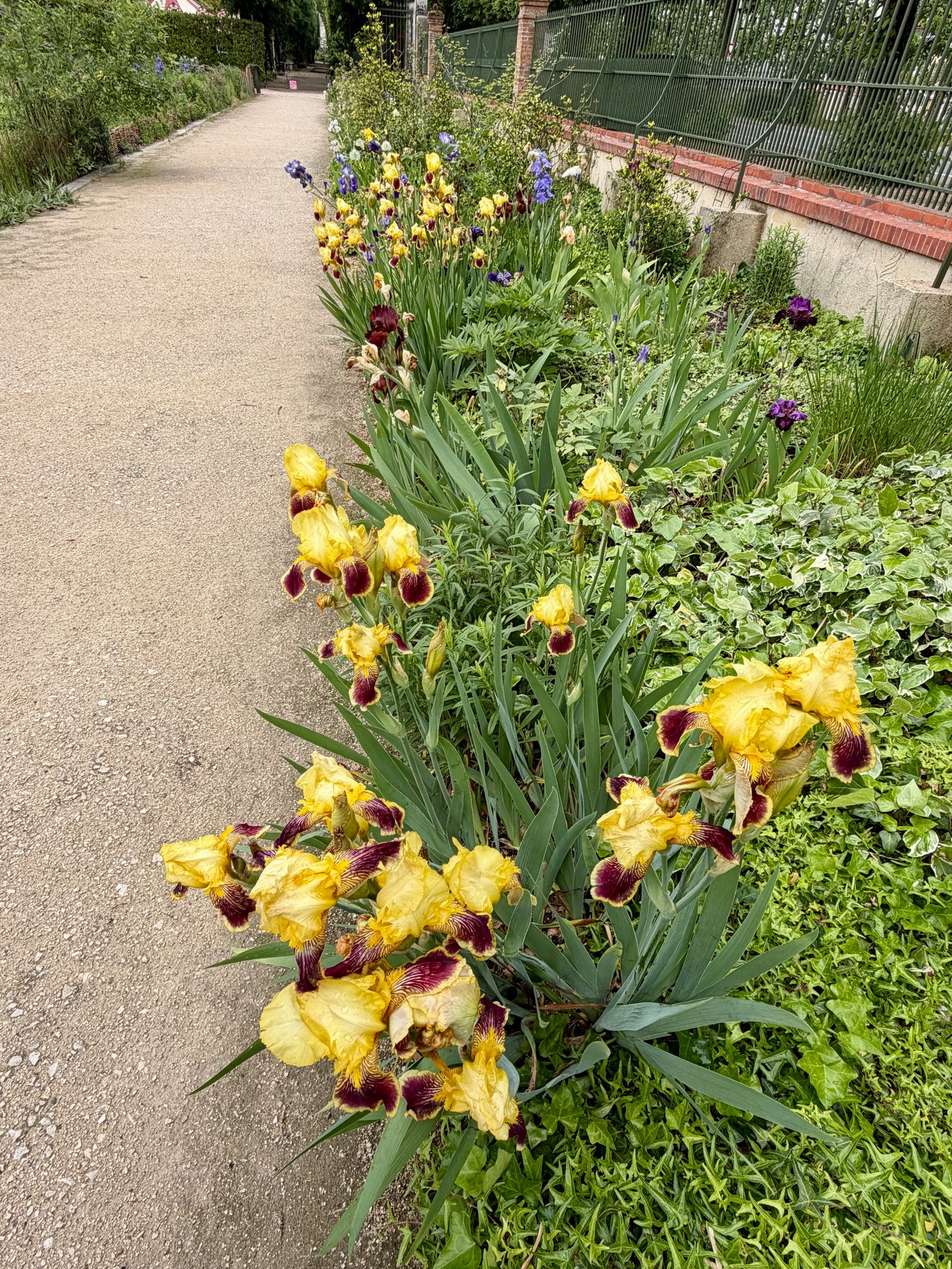
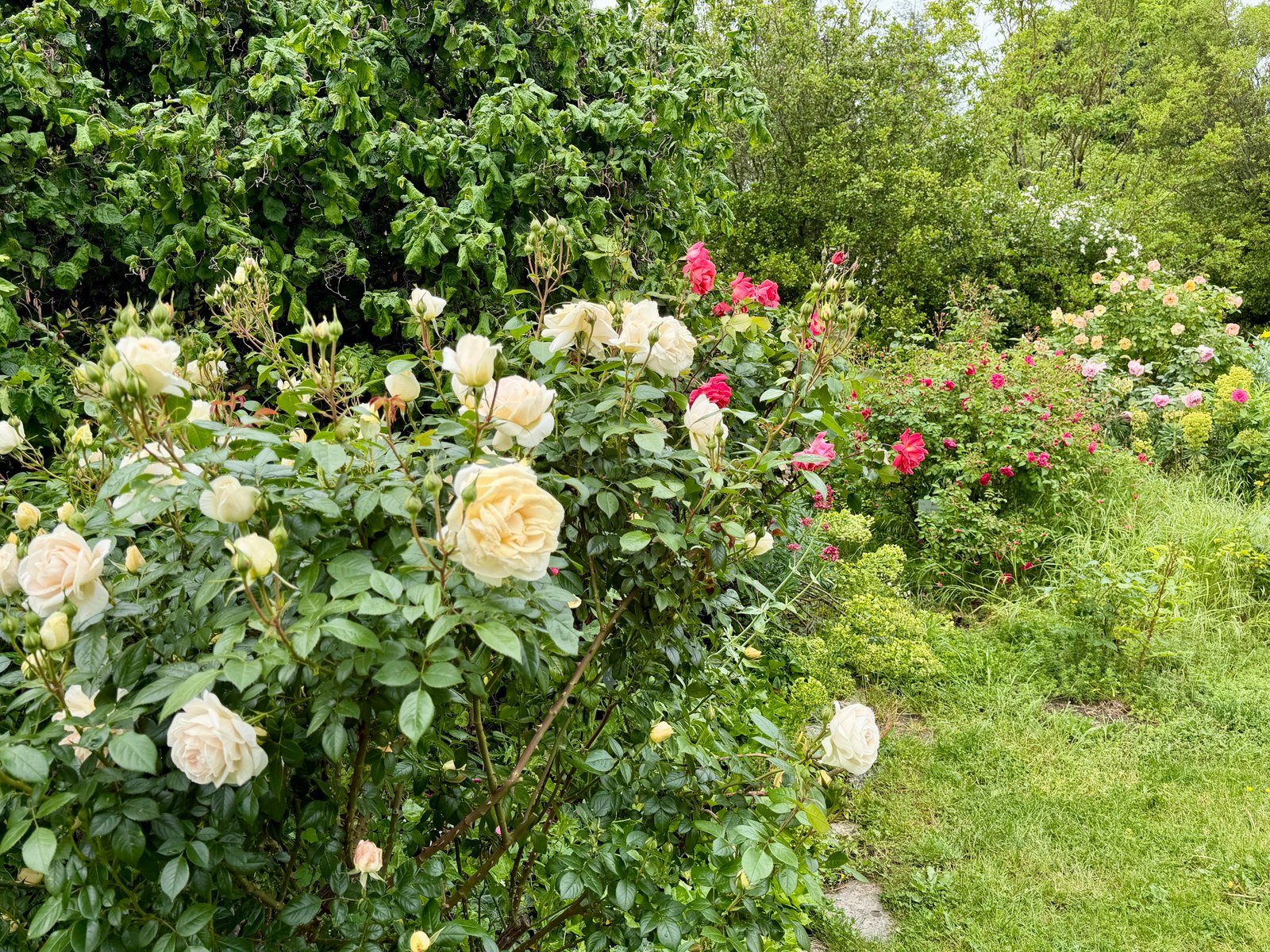
We finally received a reprieve from the rain today, so we decided to walk across the Charles V bridge to see the city view from the other side and visit the Jardin des Plantes (1834).




Fêtes de Jeanne d’Arc
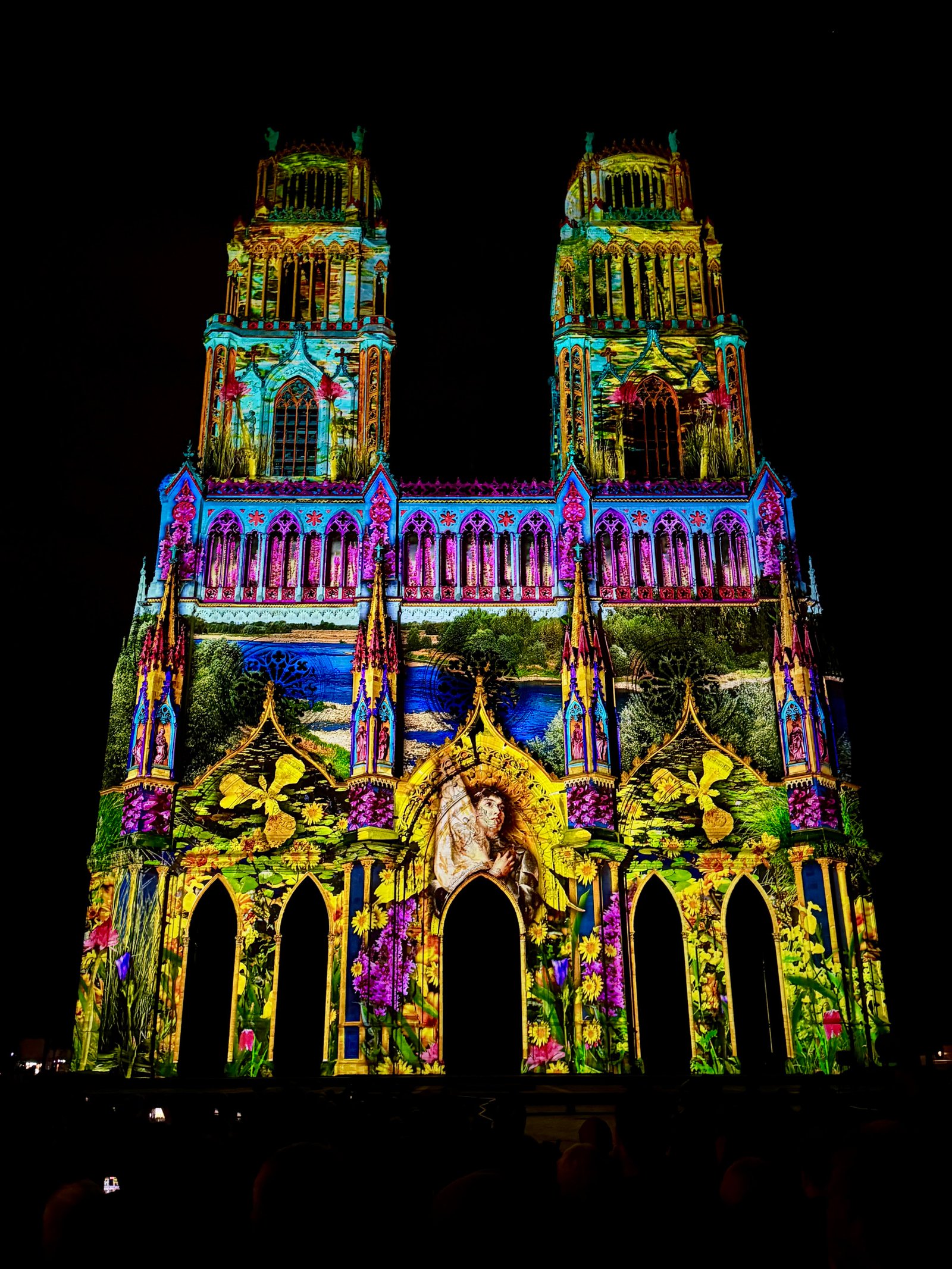
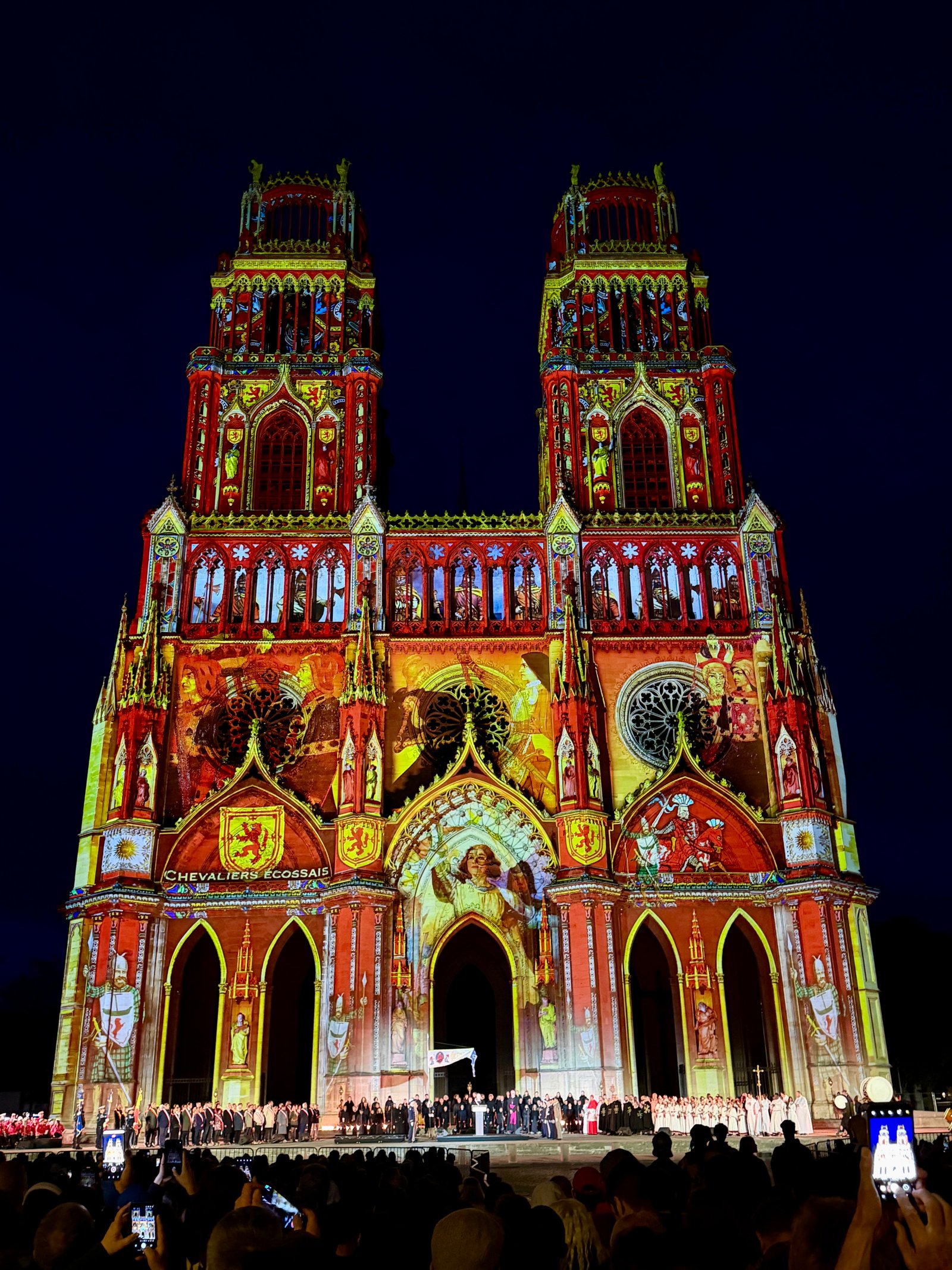
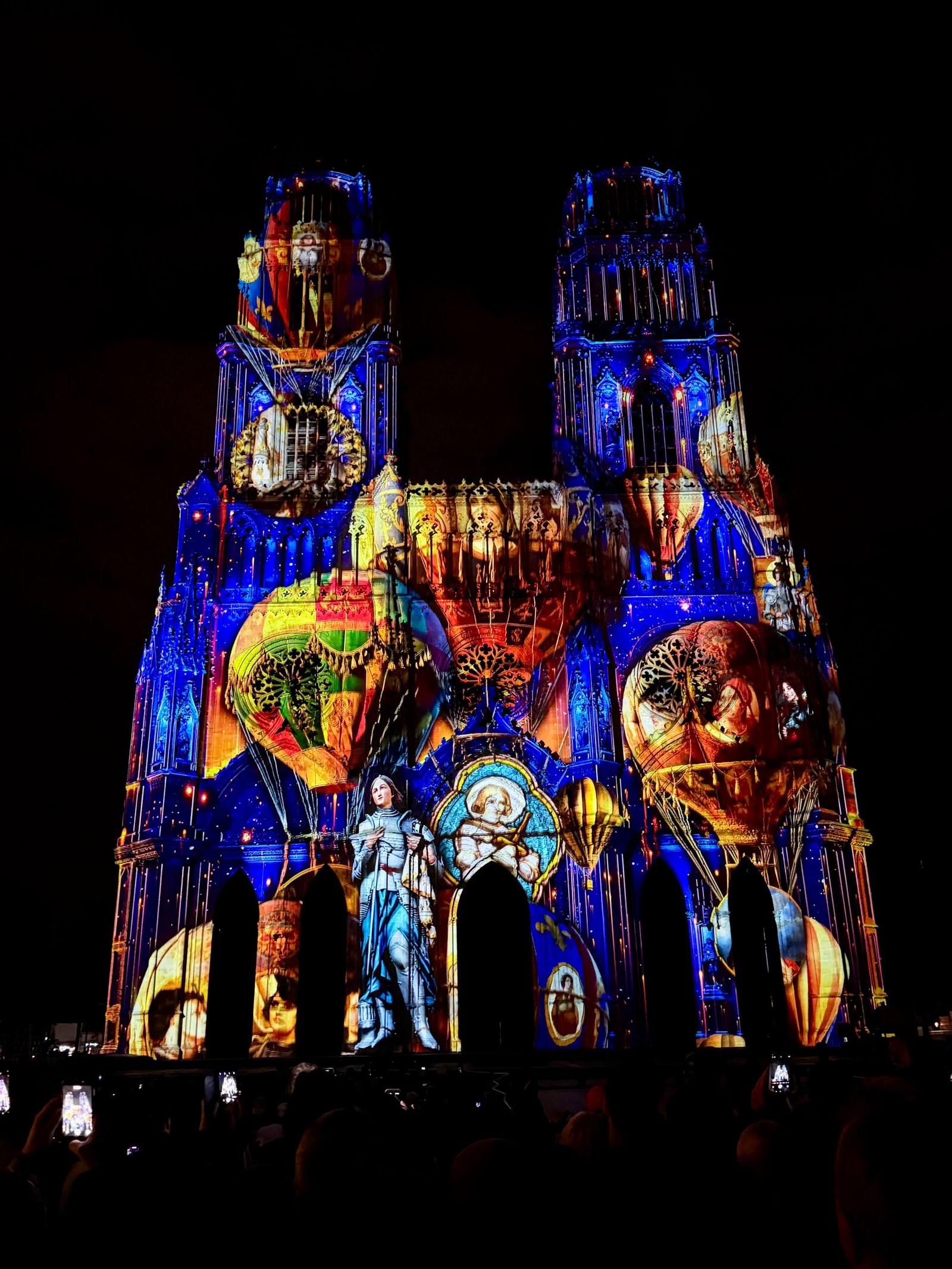
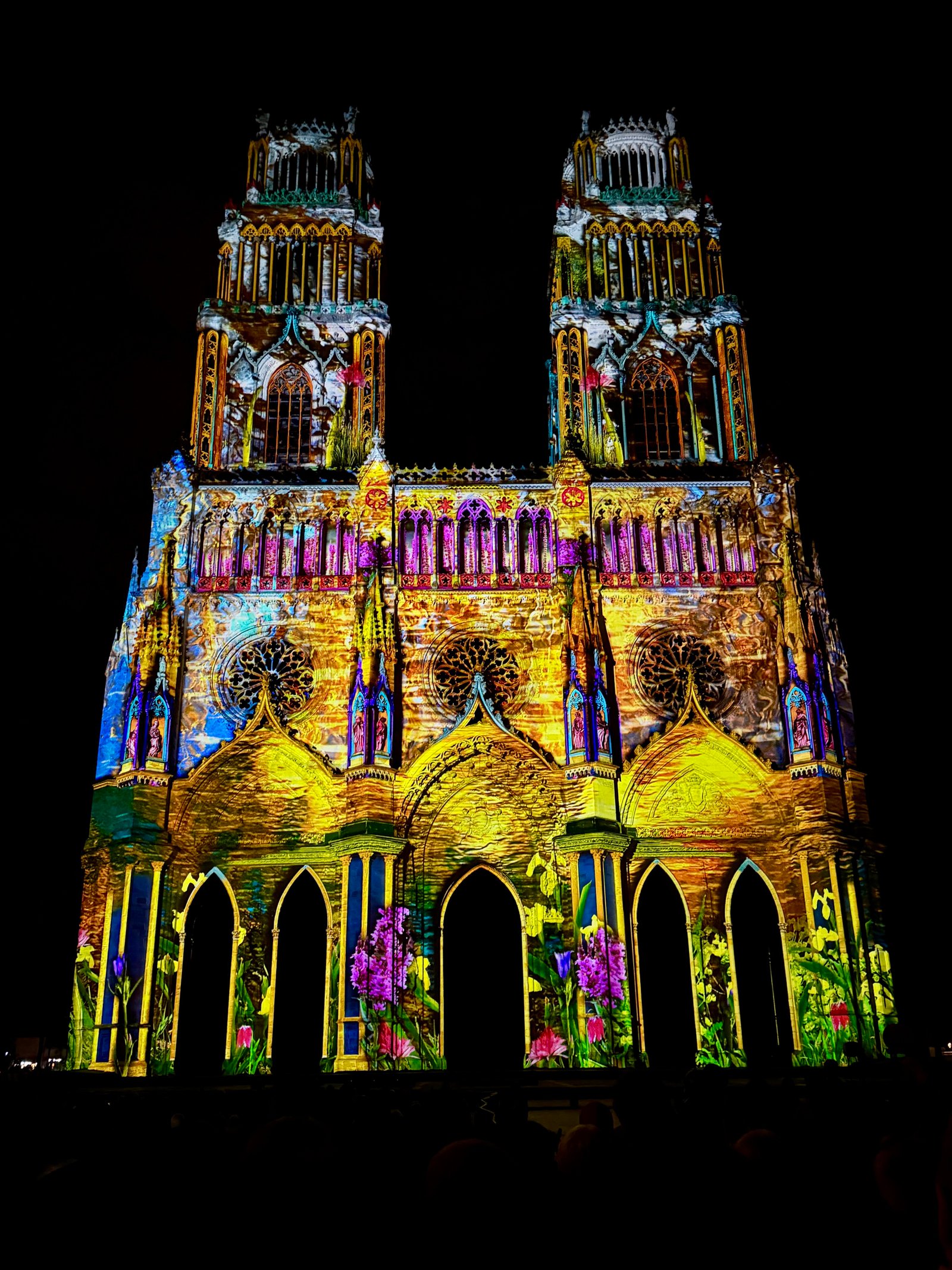
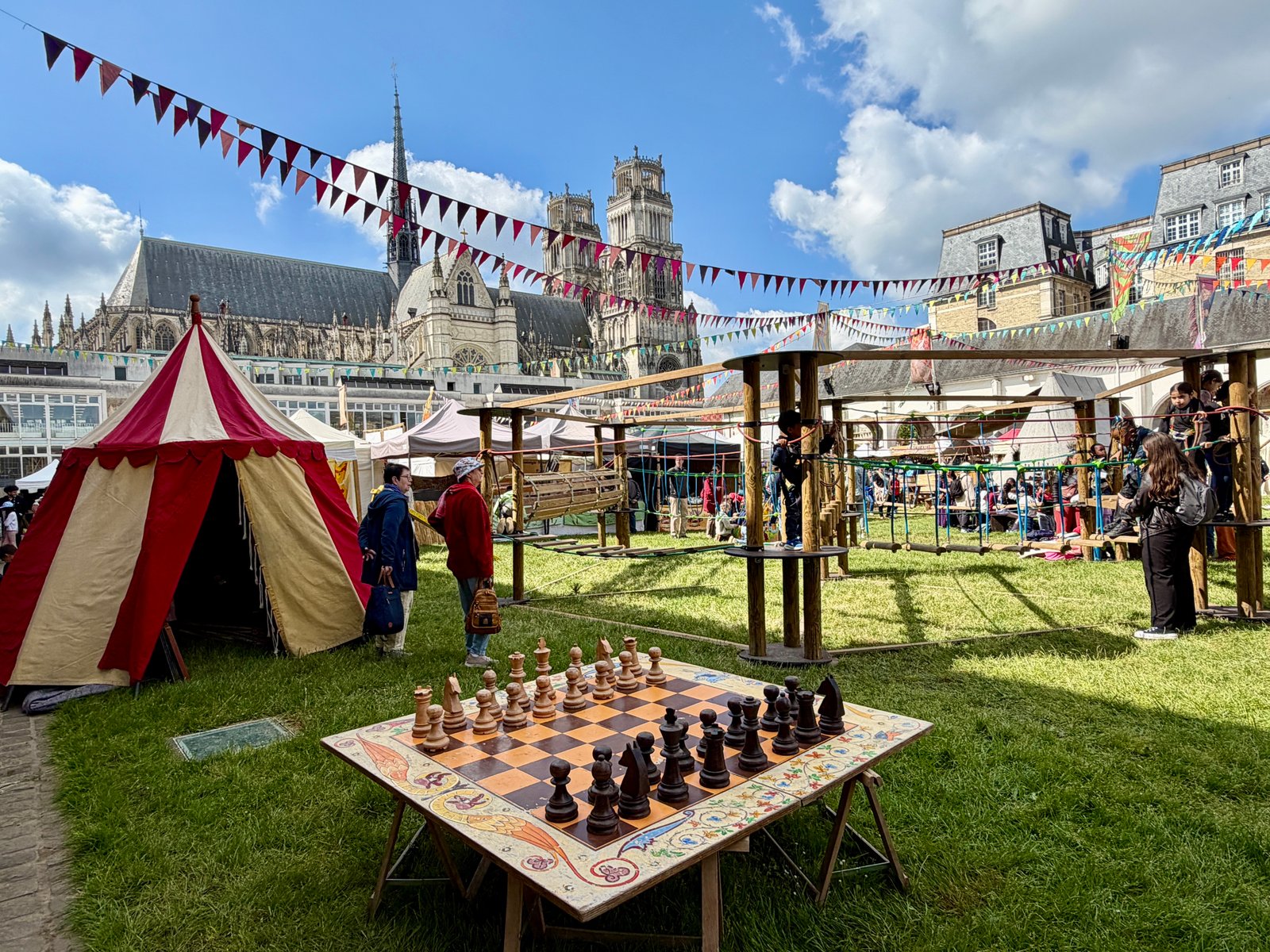
We are lucky to arrive in town just as the 597th Joan of Arc Festival is underway. Looking out from the front of the Cathedral, you can see preparations are underway. There are lots of activities this week. We attended the opening ceremony followed by an amazing light and sound show on the Cathedral.




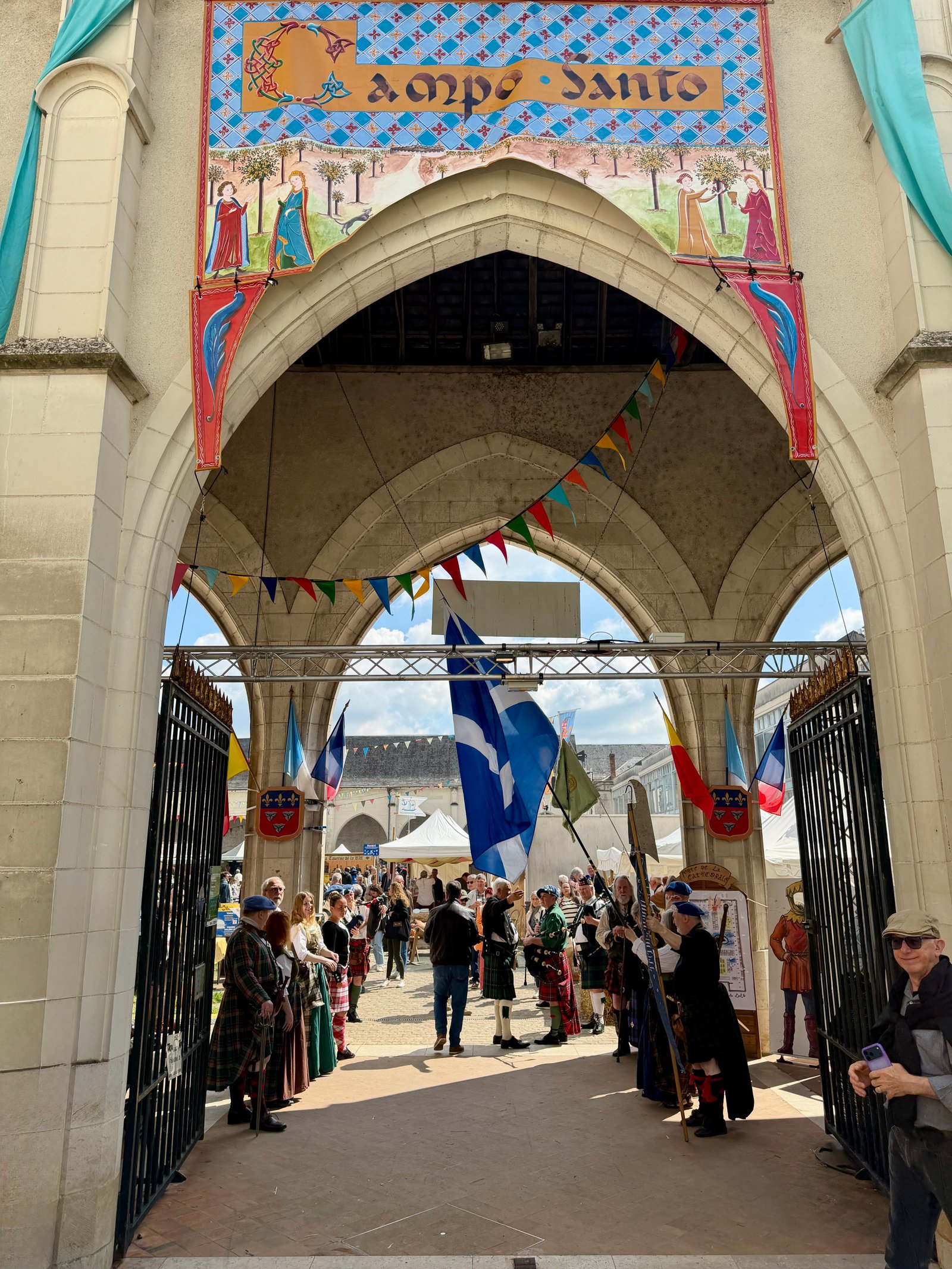
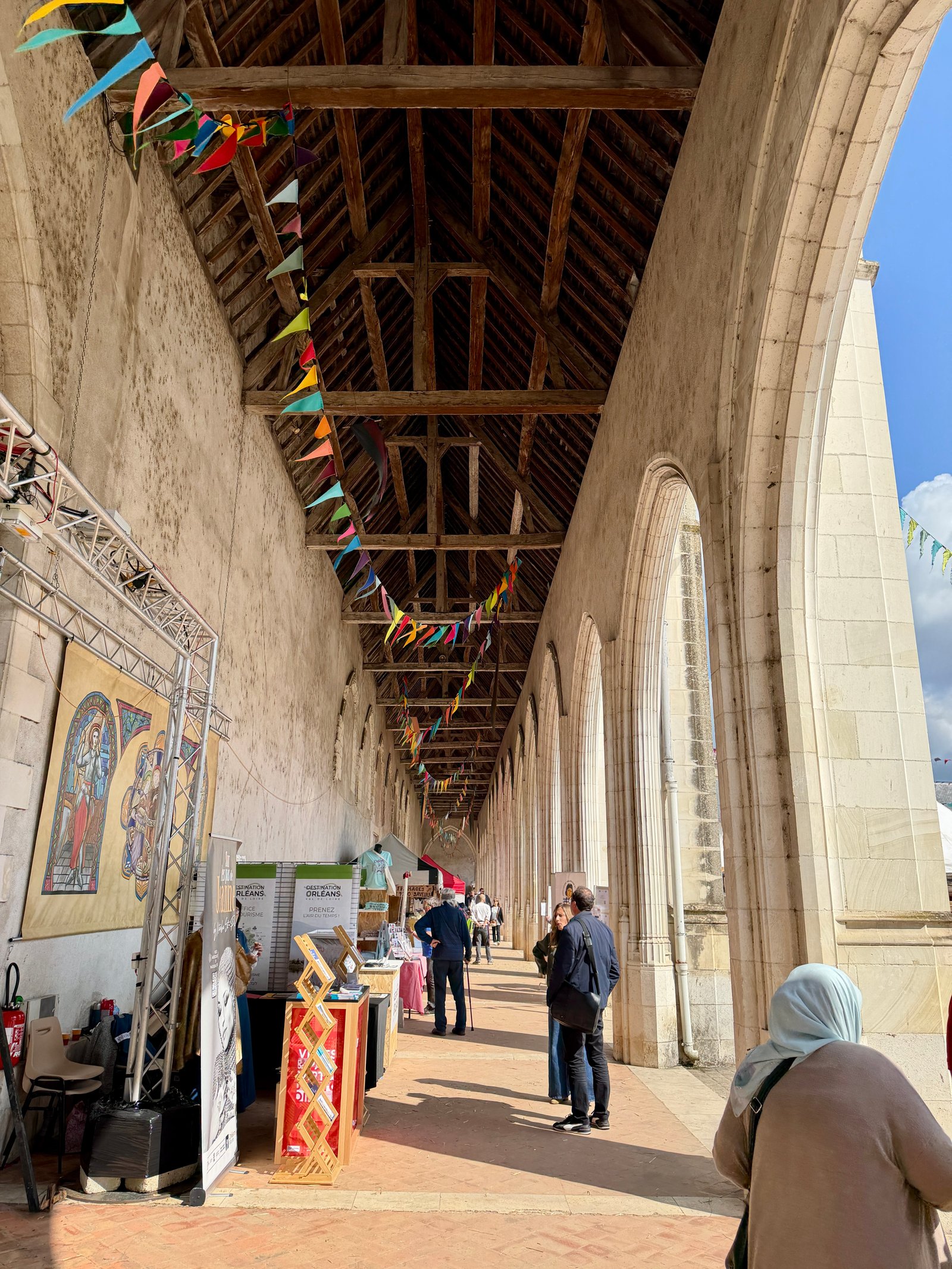
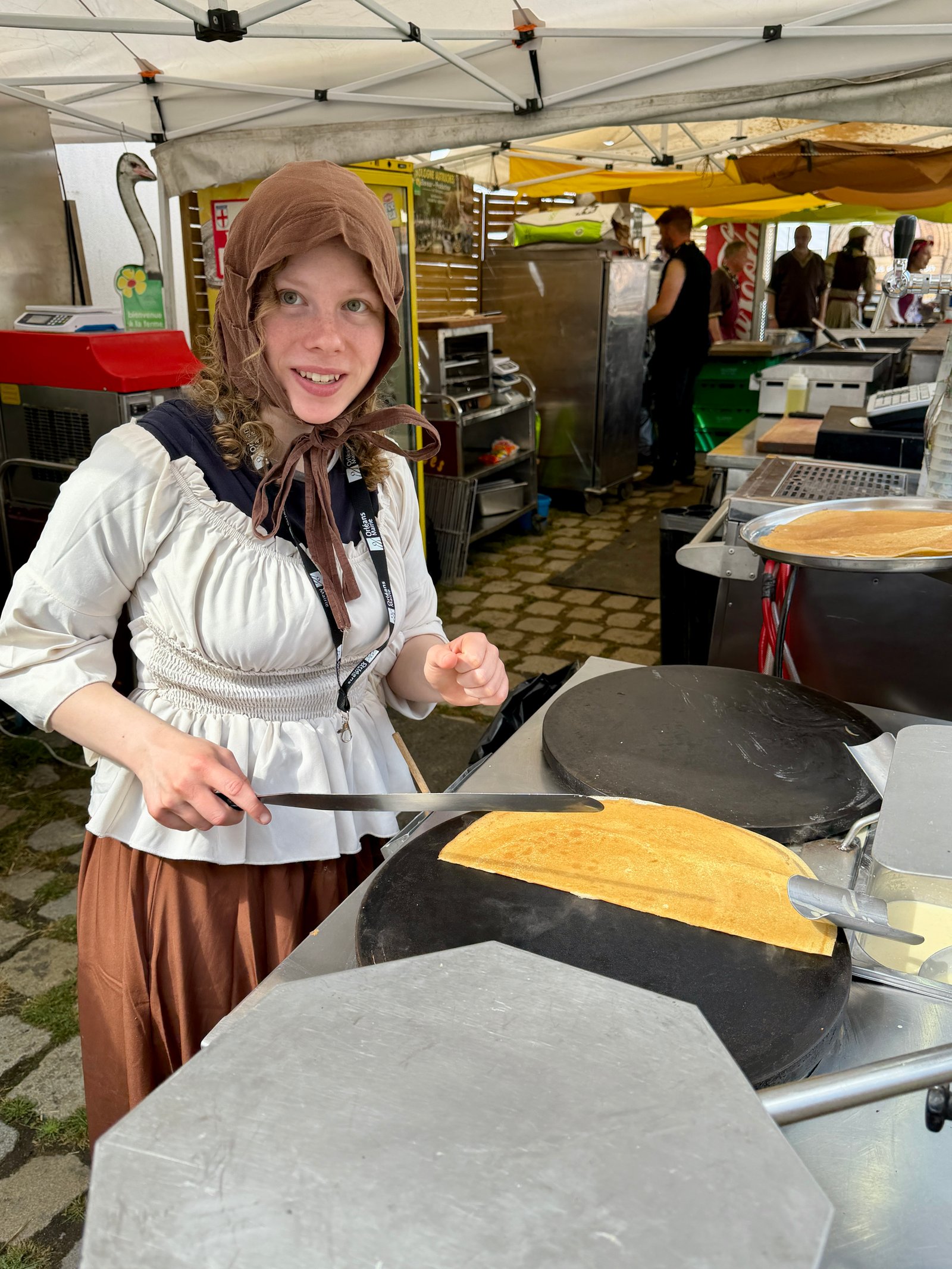
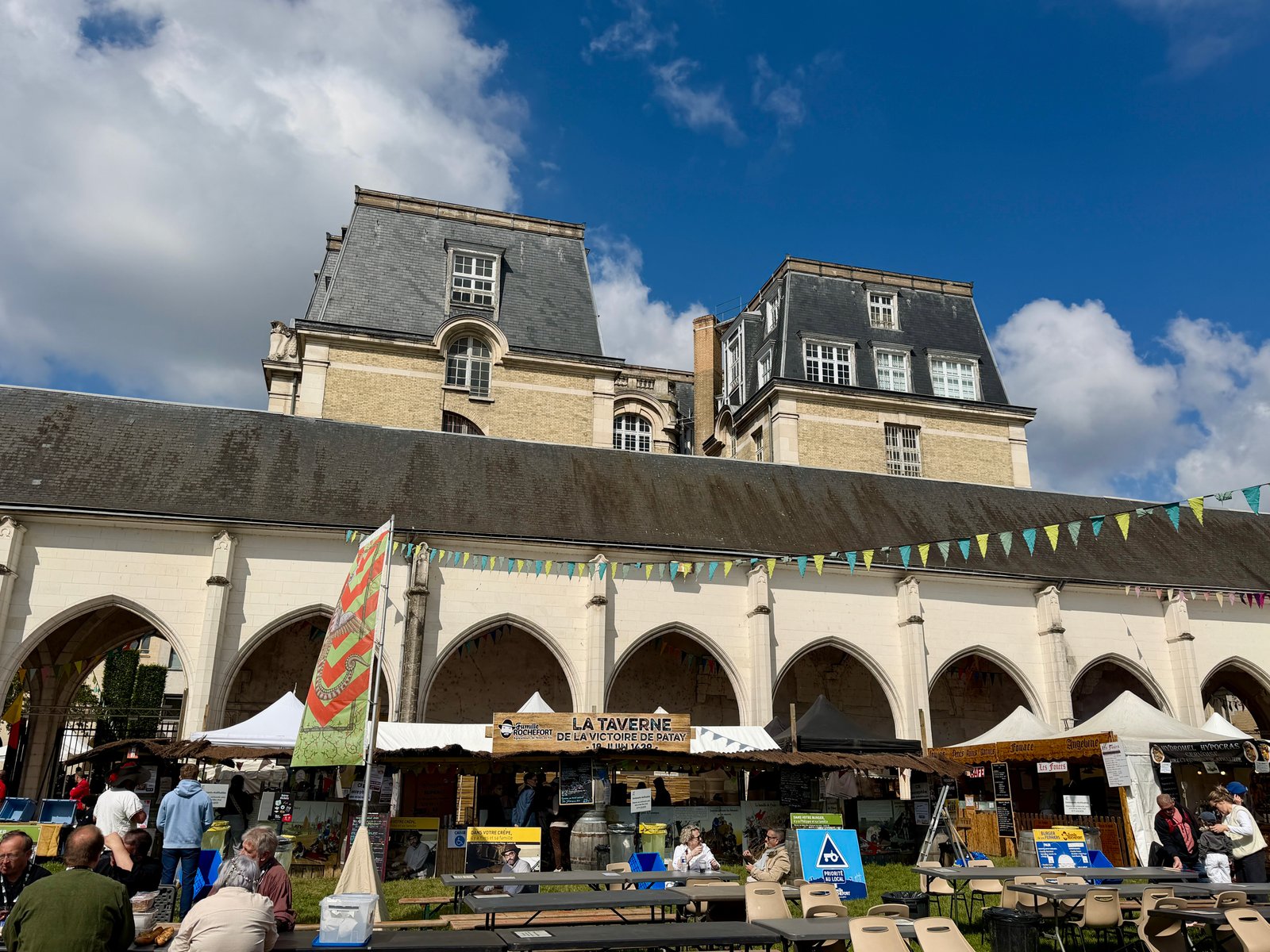
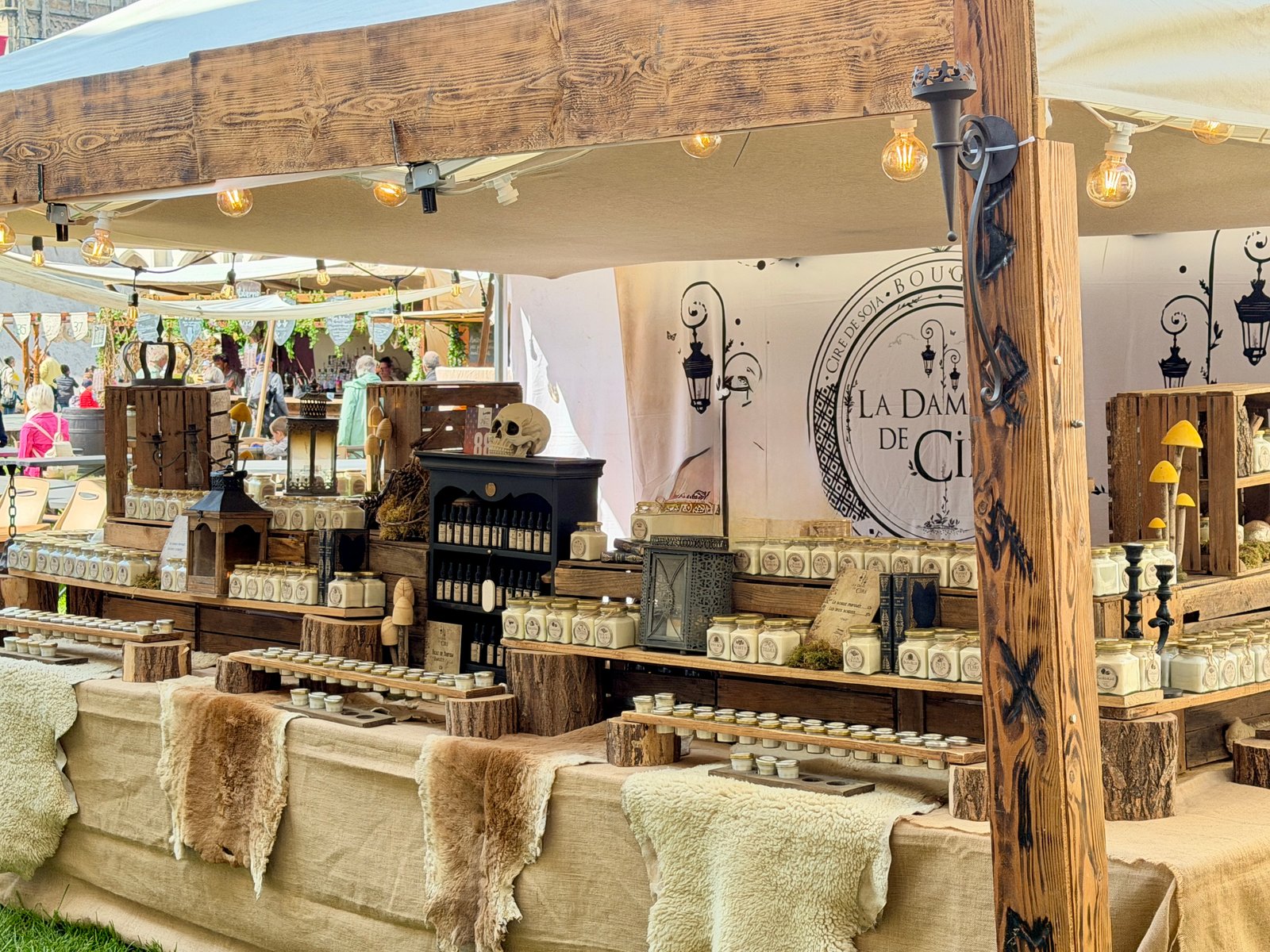
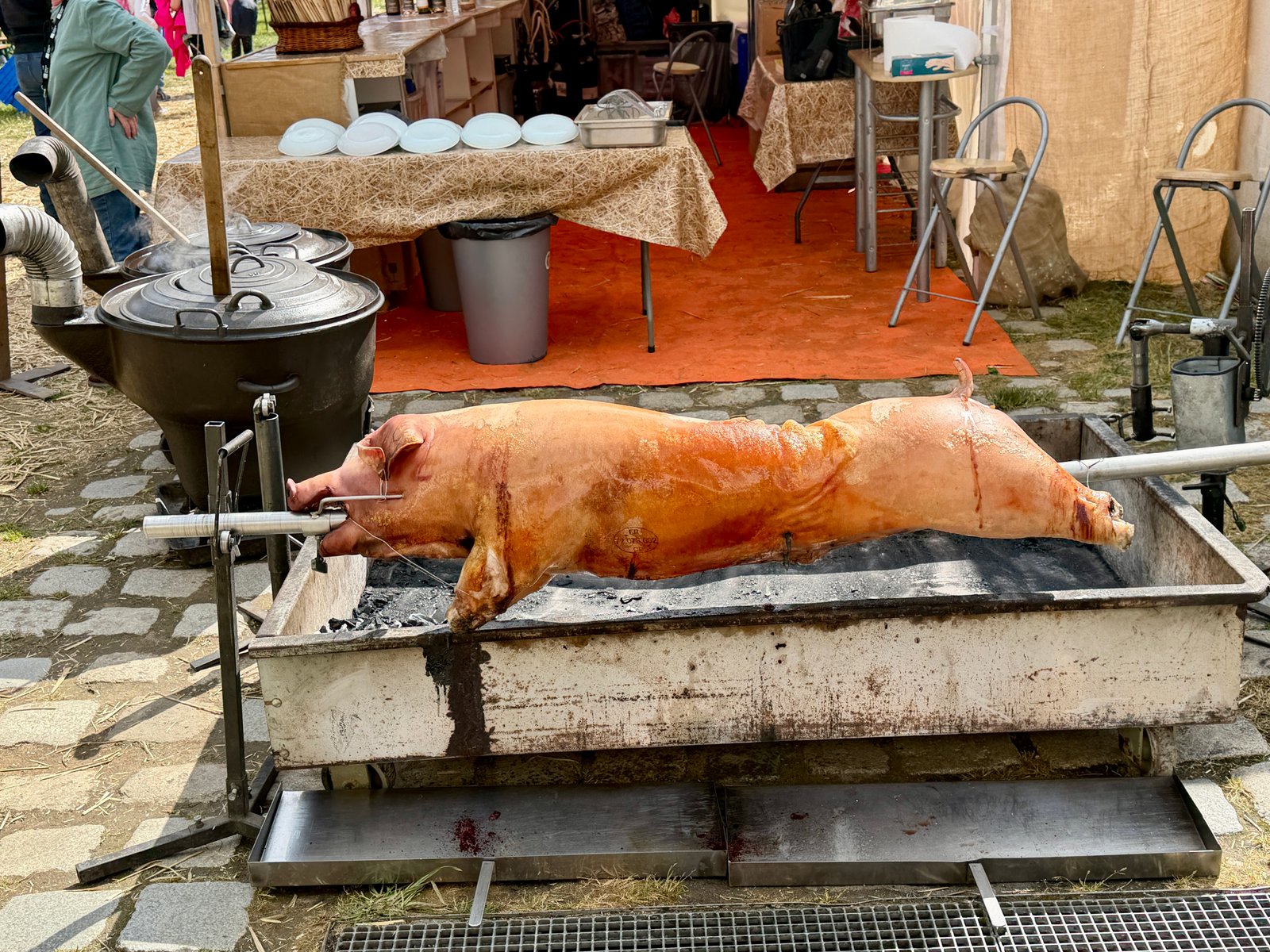
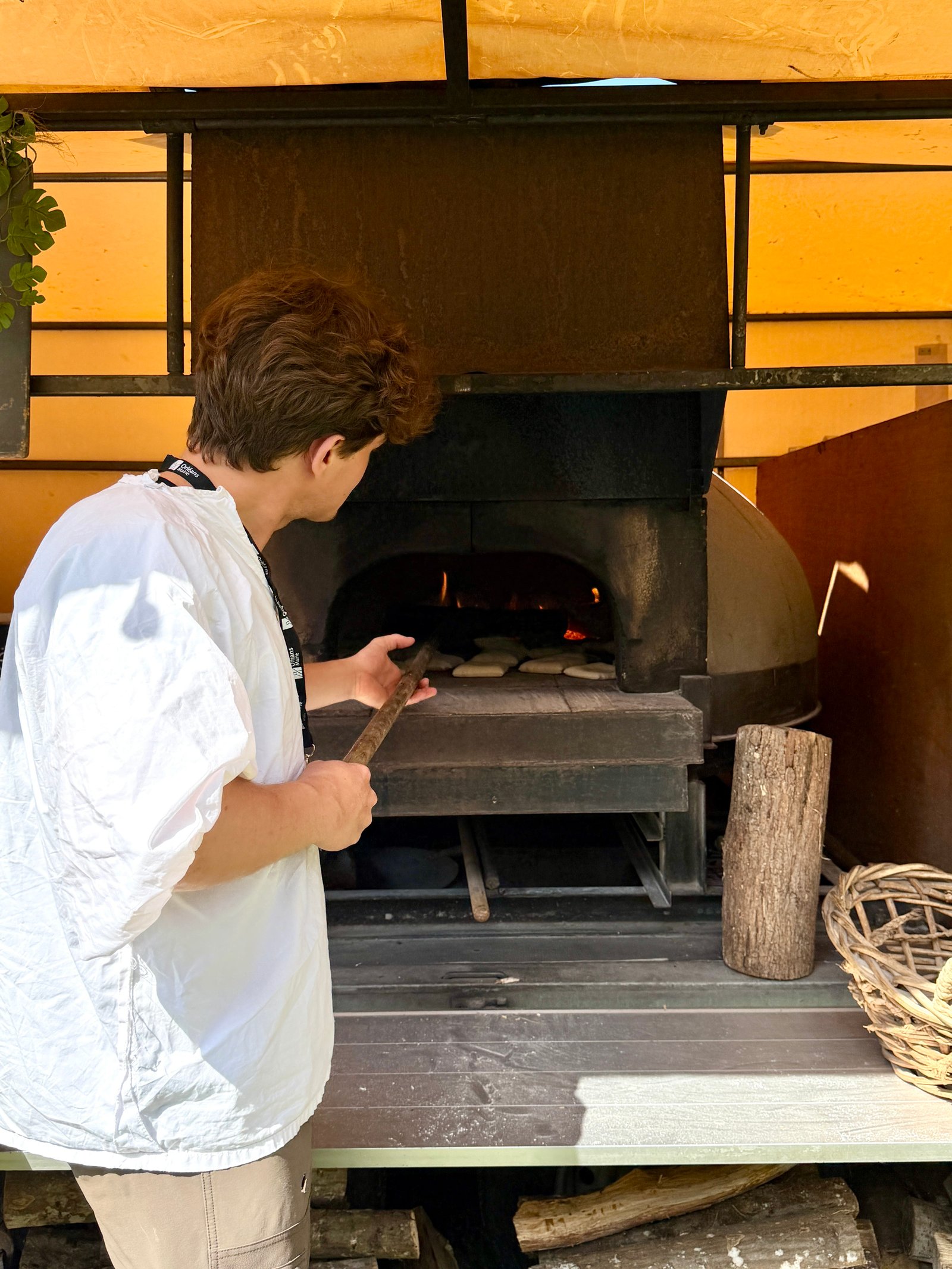
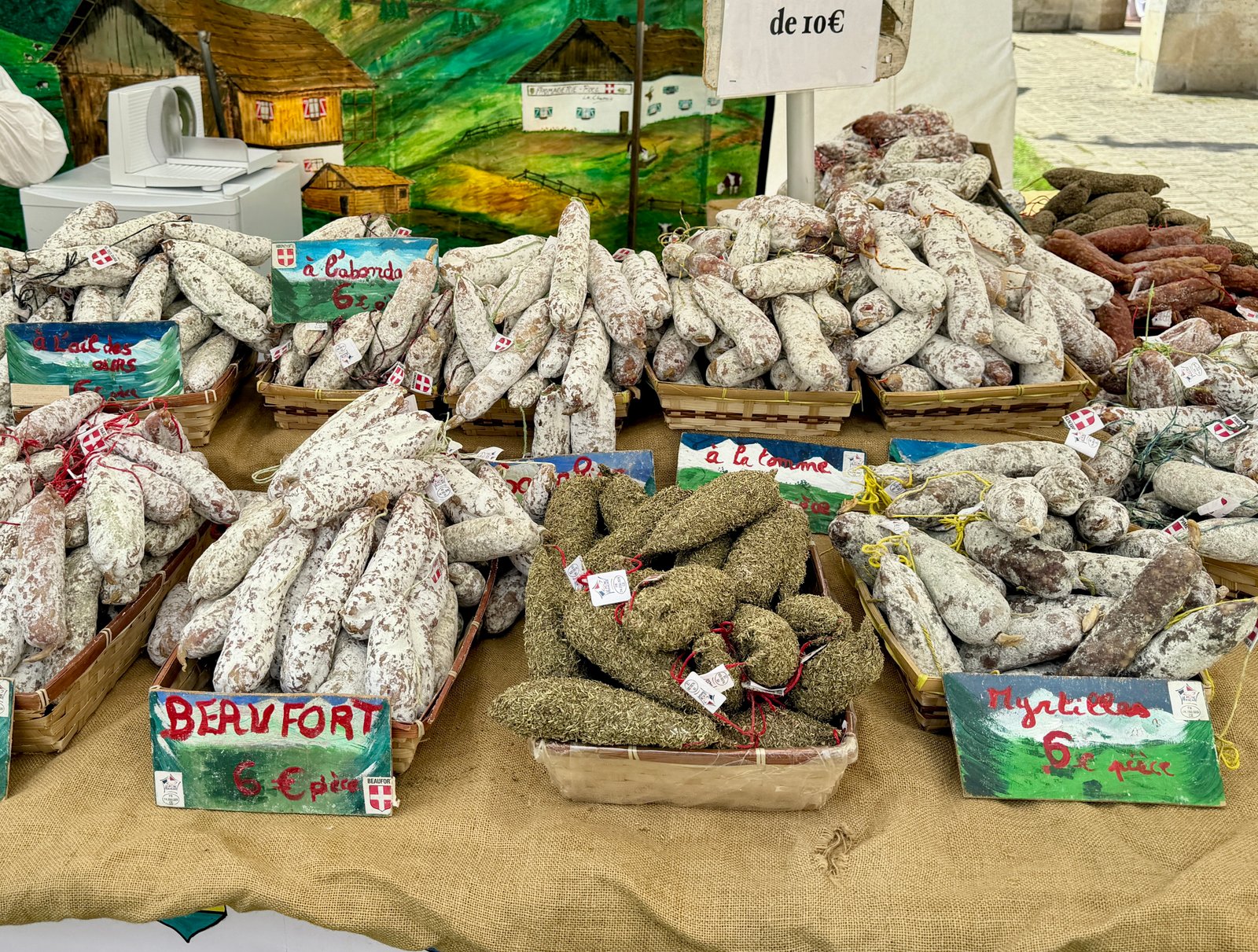
Campo Santo Orléans – A cloistered garden, once a 12th century cemetery, is a unique spot with a slightly haunting beauty. The cloister is framed by remnants of 15th-16th century arched galleries. This entire space has been utilized for a Medieval Market during the festival.
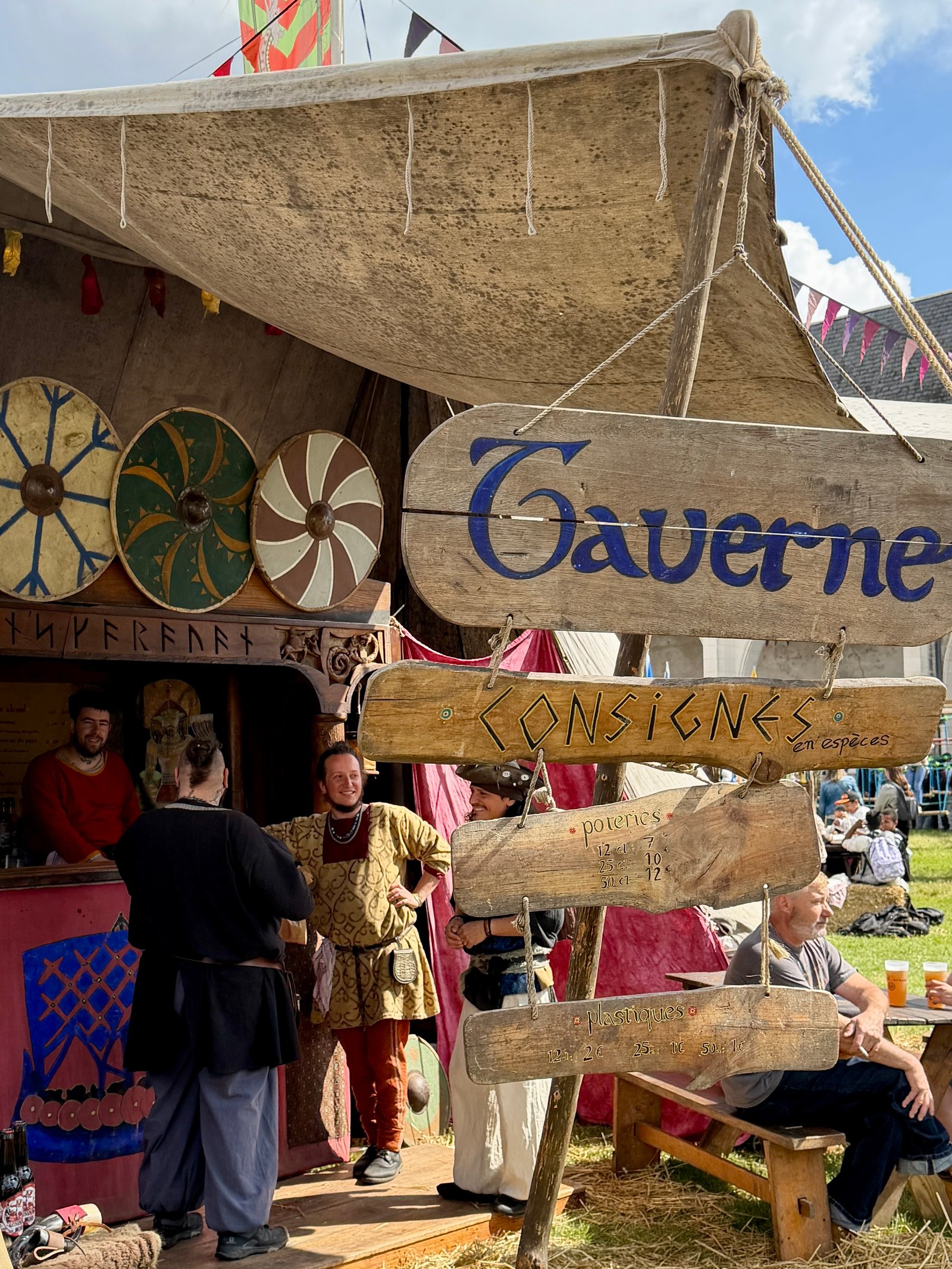
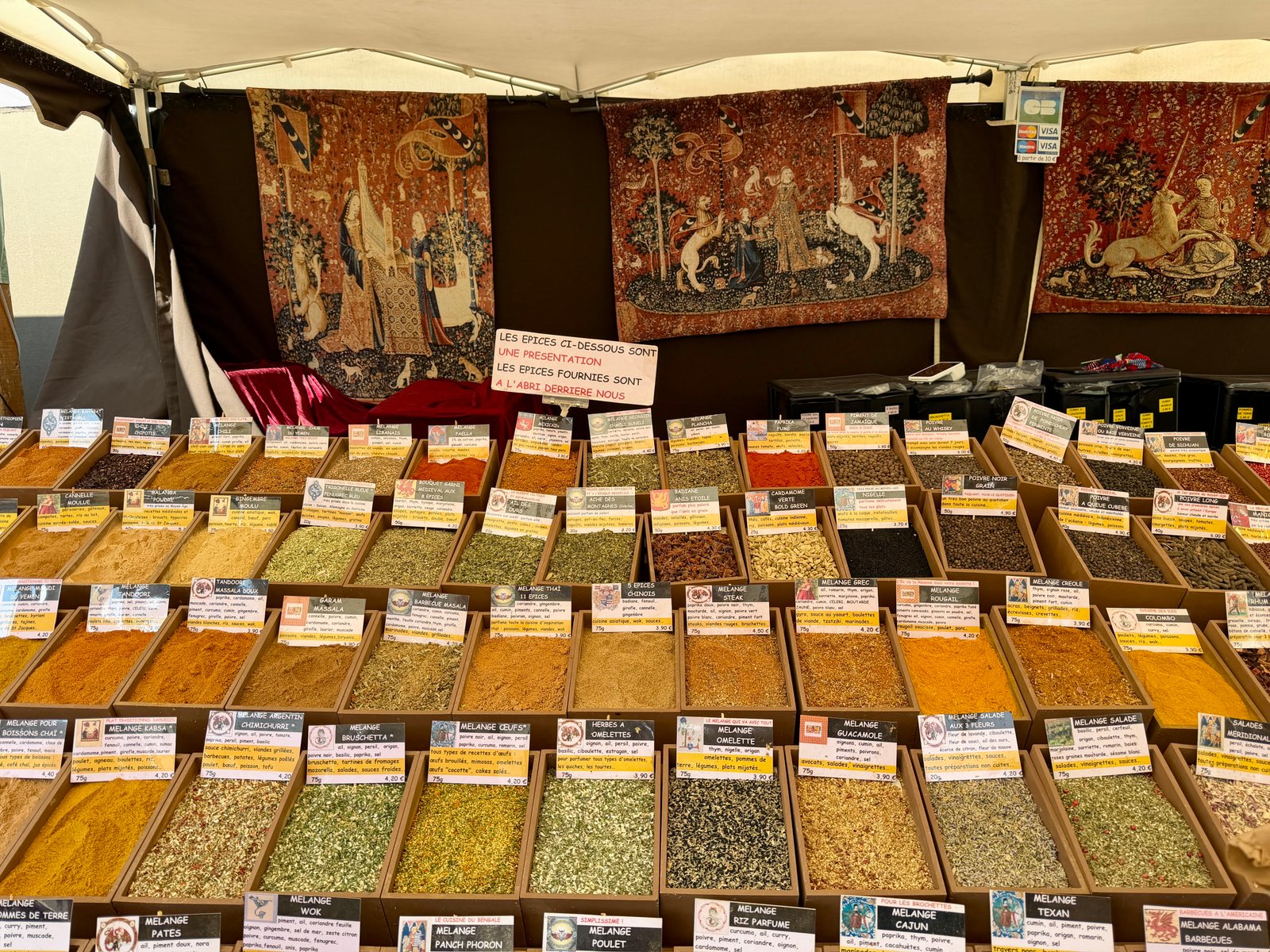
Celebration honoring several twin cities with Orléans
The Mayor attended the ceremony honoring a few of the twin cities with Orléans and helped placed flowers at the statue of Joan of Arc. It is the 40 year anniversary with Saint-Flour, France and 80 years with Dundee, Scotland. There are two US cities also twinned, Wichita, KS and New Orleans, LA.


A Little Local History That Brings It All Together
Some places you plan for… and some places just win you over. That was Orléans for us. We came for the history, but what we found was a city full of charm, quiet corners, and those little in-between moments that end up being your favorite part of the trip. Our favorite way to explore Orléans? No strict plan—just wander.
There’s also something we didn’t expect. Workers rebuilt a lot of what you see today. World War II heavily damaged the city in 1940. Craftsmen carefully restored the damage using original designs from the past. It’s like walking through history that’s been carefully pieced back together.
A Few Lesser-Known Hidden Gems Worth Finding & Some We Missed
This week we had a bit of rain for several days. Because of that, we didn’t have as much opportunity to explore my potential list of outdoor plans. Some of these activities include a picnic or two in the Parc Floral de la Source, renting a bike or taking a long stroll along the banks of the Loire, and a guided tour of the crypts. But there’s always next time!
Rue de la Charpenterie – We did wander down this picturesque street lined with half-timbered houses. It is less crowded, but full of charm.


A few we missed
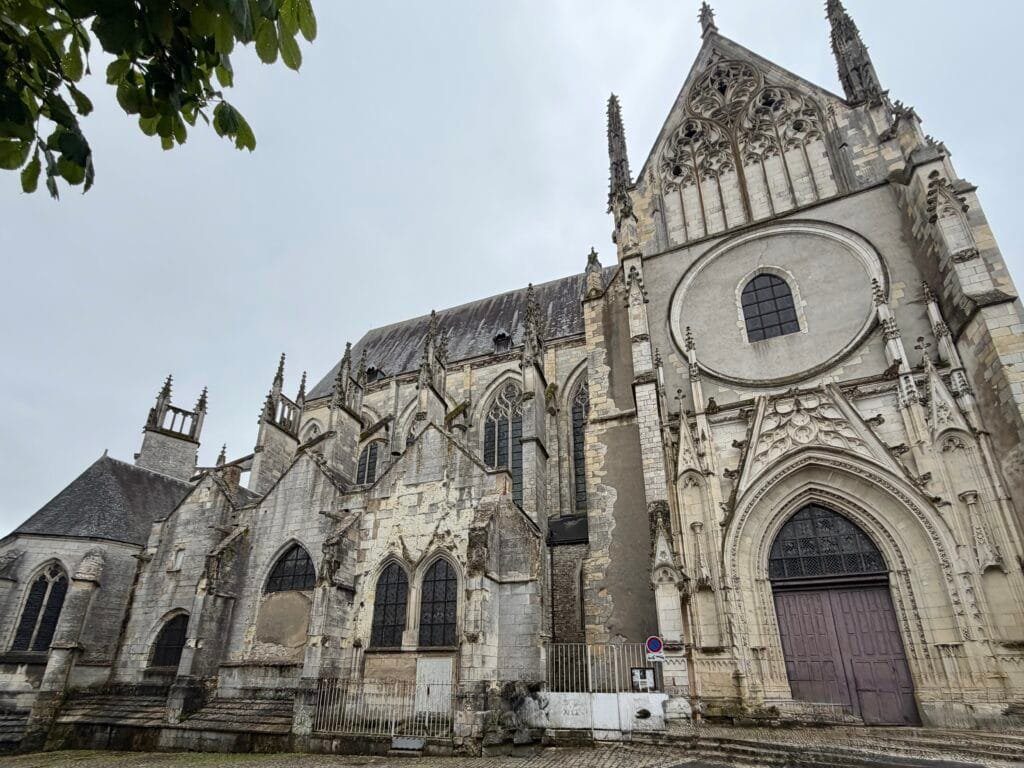
Saint-Aignan, one of the most frequently altered churches in the Loire Valley, was consecrated in 1509. However, the church has existed on this site since the sixth century. Underneath, the church is one of France’s earliest vaulted crypts from 1029, adorned with multicolored capitals on top of column. Described as a peaceful underground space with ancient columns and a mysterious atmosphere—often overlooked by visitors. Since the crypt is only accessible via a guided tour, check with the tourist office to schedule a visit. All available tours were booked the day we wanted to visit.
Île Charlemagne is a nature escape just outside the city with walking trails, water activities, beaches and wide-open green space.
Parc Floral de la Source is a large, scenic park just outside the center, home to gardens, wildlife, and the source of the Loiret River.
Simple Food Done Right
Let’s talk food—because this is France, after all. Orléans may not shout as loudly as some other culinary cities, but it absolutely delivers. We stumbled into local restaurants and cozy cafés offering simple meals and inexpensive daily specials. It’s not about chasing the “best” spot, it’s about enjoying the moment. Orléans makes that easy.
Everything is delicious and made with fresh, regional products. Of course, a meal can also be a quick trip to the market. We visited the covered market at the Halles Châtelet. You can pick up a baguette, local cheese, wine and don’t forget the chocolate. We’ll say it every time—some of the best meals in France are the simplest ones. In Orléans, that meant nothing fancy, just good food done right.
Here are a few of our yummy meals and treats.


Why Orléans Captivated Us
What makes Orléans special isn’t just its history or its landmarks—it’s how it all comes together. You have a city shaped by major moments in history. You also have a city with beautiful architecture that avoids the usual crowds. And you’ve got that unmistakable French charm, paired with a relaxed, welcoming vibe that makes it easy to settle in.
Orléans is the kind of place that sneaks up on you. It may not be the first city people mention when planning a trip to France, but that’s part of its appeal. Some places you plan for… and some places just win you over the moment you arrive. That was Orléans for us. We came for the history, but what we found was a city full of charm, quiet corners, and those little in-between moments that end up being the best part of the trip.
To sum it all up, if you take your time here—look a little closer, wander a little farther—you’ll find those hidden gems and quiet moments that make your stay memorable. If you’re looking for a destination that blends history, scenery and that slower pace of travel we love so much, Orléans just might be one of your favorite surprises too.
Next week, we’re taking a break to rent a car and visit friends in the countryside. But, there’s more to come soon.