
Discovering Unusual Paris Sites
Like many travelers, our first visits to Paris focused on the city’s famous landmarks—the Eiffel Tower, the Louvre, and Notre-Dame. After years of visiting Paris, we assumed we had already uncovered most of its hidden surprises. This trip proved otherwise. By wandering beyond the well-trodden tourist routes, we uncovered a collection of unusual Paris sites, quirky landmarks, and fascinating pieces of history that had somehow escaped our notice during all our previous visits.
Instead of standing in long lines or following crowded tour groups, we spent our days exploring quiet corners of the city. We stumbled upon a creepy sculpture, admired a surprising stained-glass church window and traced the remnants of the medieval wall that once protected Paris centuries ago. We even found ourselves wandering down tiny historic lanes where centuries of Parisian history seem packed into just a few steps.
Meanwhile, neighborhoods we thought we knew revealed entirely new personalities. A leisurely walk introduced us to lively markets, local cafés, and a village-like atmosphere that felt worlds away from the city’s grand boulevards and iconic sites. Nearby, hidden architectural details, unexpected public art, and forgotten historical markers reminded us that Paris rewards those willing to take a slow travel approach and look a little closer.
Hidden Secrets of the Eiffel Tower
So why is the Eiffel Tower on our list of unusual Paris sites? Especially since it’s probably the most iconic of all the landmarks. Well, I think it’s the things many visitors miss or the hidden history they are unaware of that puts it on the top of the list.
The gardens surrounding the Eiffel Tower feature several ponds, a detail that surprises many visitors. You’ll also see ducks, koi and carp in the water too. The Champs de Mars park is one of our favorite spots for a picnic. What a view.
There’s a chimney?
A hidden chimney at the foot of the Eiffel Tower? Few people notice it behind the western pillar, yet it has stood there for 139 years! This red brick turret, tucked away in the park among a few shrubs, dates back to 1887. This is two years prior to the tower’s construction. It served a purely industrial purpose, connecting to the engine room located under the southern pillar. Prior to electricity, they used steam engines to power the elevators and other machinery. Unless you are specifically looking for it, you’ll probably miss it.
A secret WWII bunker underneath
Another interesting fact about the Eiffel Tower is the secret underground WWII military bunker underneath the South pillar. The bunker, a military secret for approximately 70 years, still holds some mysteries. Local lore suggests an underground tunnel may connect the bunker to the nearby École Militaire training facilities. Visitors once had the rare opportunity to explore the bunker on private tours, but those tours ended years ago. Today, staff use the bunker as kitchen storage for the restaurant above.
Peek into the secret apartment on top
Finally, if you go up the tower, don’t forget to peek into the window of Gustave Eiffel’s secret apartment that he created for himself. It’s a two bedroom furnished apartment, now a museum exhibit, with wax figures of himself, his daughter and Thomas Edison from his visit in 1889. Although Eiffel didn’t live here, it functioned as his private office, reception and place for scientific observations.


Musée de la Monnaie de Paris
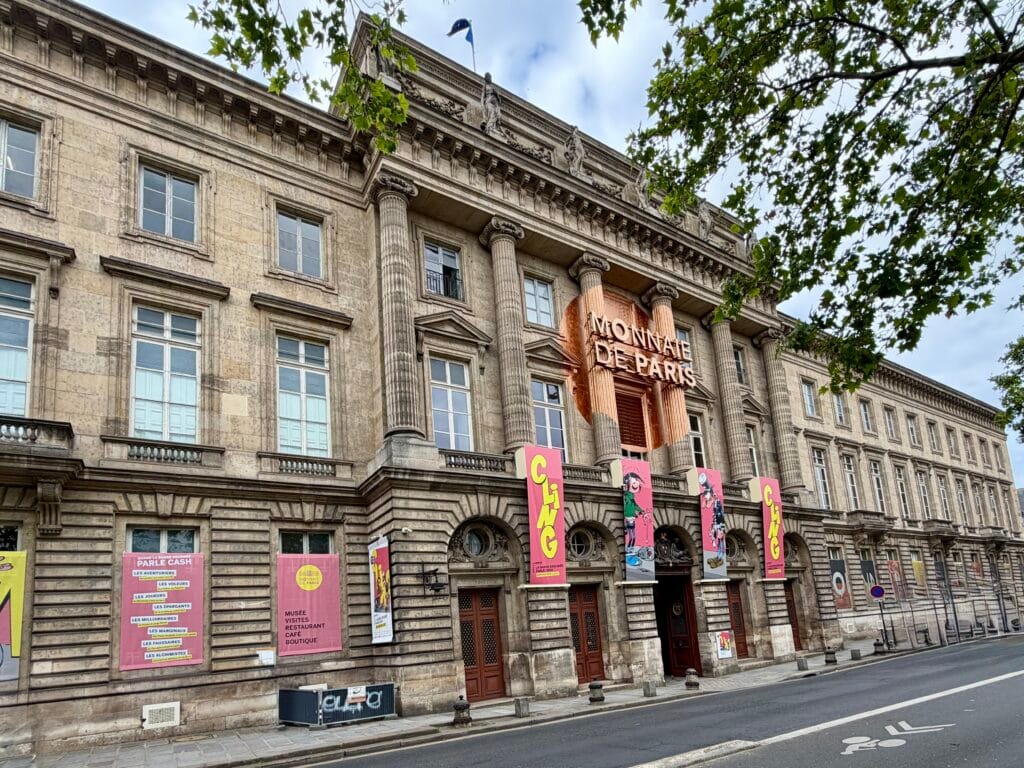
Tucked along the Seine, the Musée de la Monnaie de Paris offers an interesting journey through France’s monetary history. Housed within this historic institution, founded in 864 AD, is the oldest continuously operating mint in the world. Although we didn’t tour inside today, it features elegant 18th-century halls. Visitors can discover rare coins, medals, and centuries of craftsmanship that reflect the political, artistic, and economic evolution of France. The museum blends history with interactive exhibits, making it a hidden gem for people exploring Paris beyond the usual landmarks.
Rue de la Chat-qui-Pêche
Tucked between the busy streets of Paris’s Latin Quarter near Notre Dame is one of the city’s smallest surprises. The Rue du Chat-qui-Pêche is barely wide enough for two people to walk side by side. This tiny medieval alley (6 feet x 95 feet) dates back to 1540. Its unusual name, “The Fishing Cat Street,” may come from a local legend about a black cat said to catch fish from the Seine River. Another possibility is that the name, documented in the 17th century, may have originated from the sign of a fishing-related shop located there. Wandering down this narrow passage feels like discovering a hidden corner of old Paris that many visitors walk right past.


Roman Ruins
In 2023, I posted about the Arènes de Lutèce in A Summer in France: Paris, Week 4. It’s the remains of an ancient Roman amphitheater from the first century that could once seat 15,000 people. We walked by there this morning, so I just took a couple photos today
However, I missed another ruin nearby that I just recently learned about. The remains of the ancient wall built by Philip II of France, often called the Wall of Philip Augustus. Construction began in 1190 to protect Paris by enclosing the city inside of a fortified wall. Workers built nearly three miles of stone fortifications, complete with towers and gates, around the growing medieval city. Although Paris eventually expanded beyond the wall, several sections still survive today. The walls are hidden among modern buildings and quiet streets. Standing beside stones that have watched over the city for more than 800 years offers a fascinating glimpse into medieval Paris. It reminds us just how much history lies beneath the surface of this remarkable city.


Grand Mosque of Paris
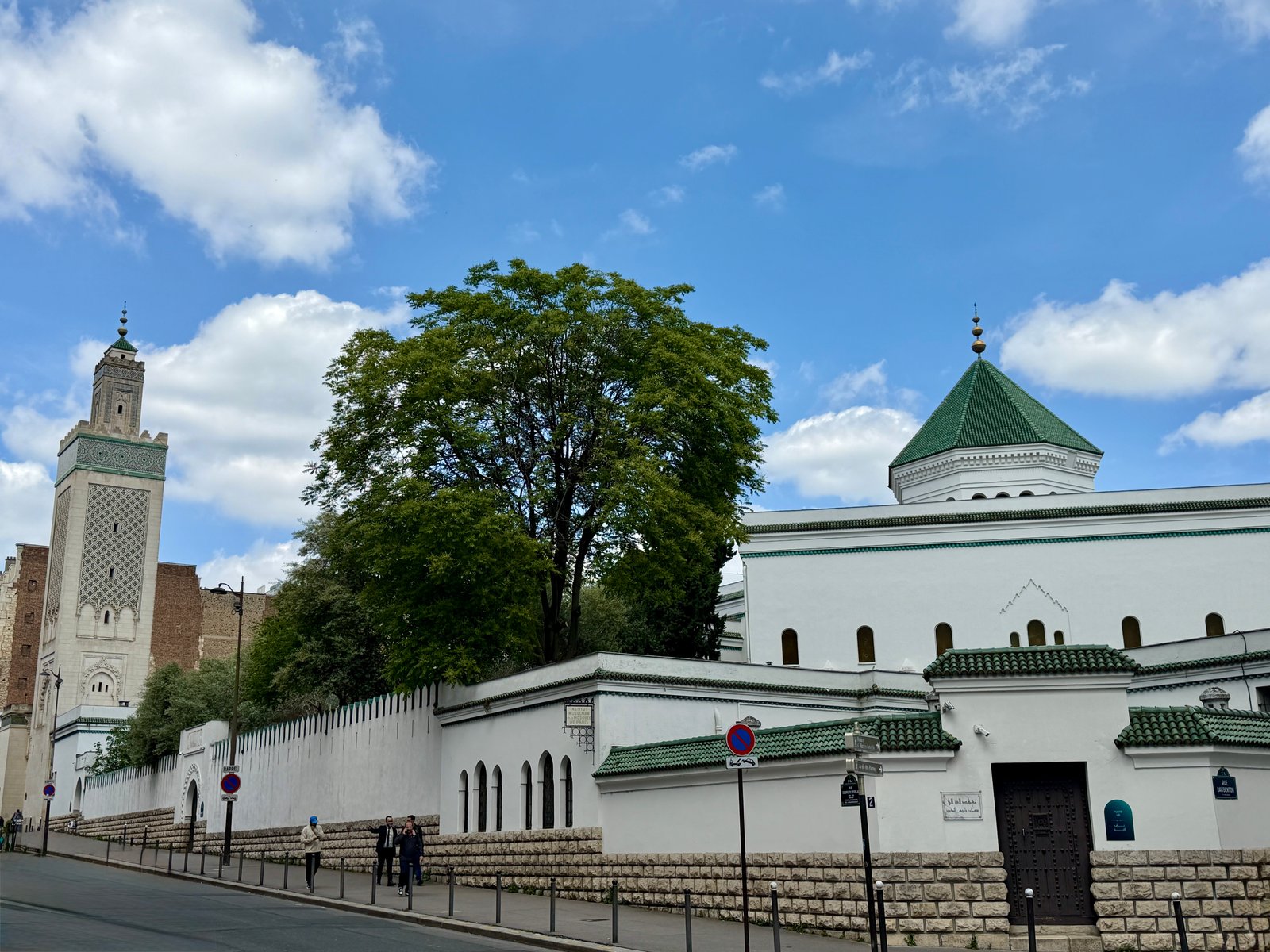
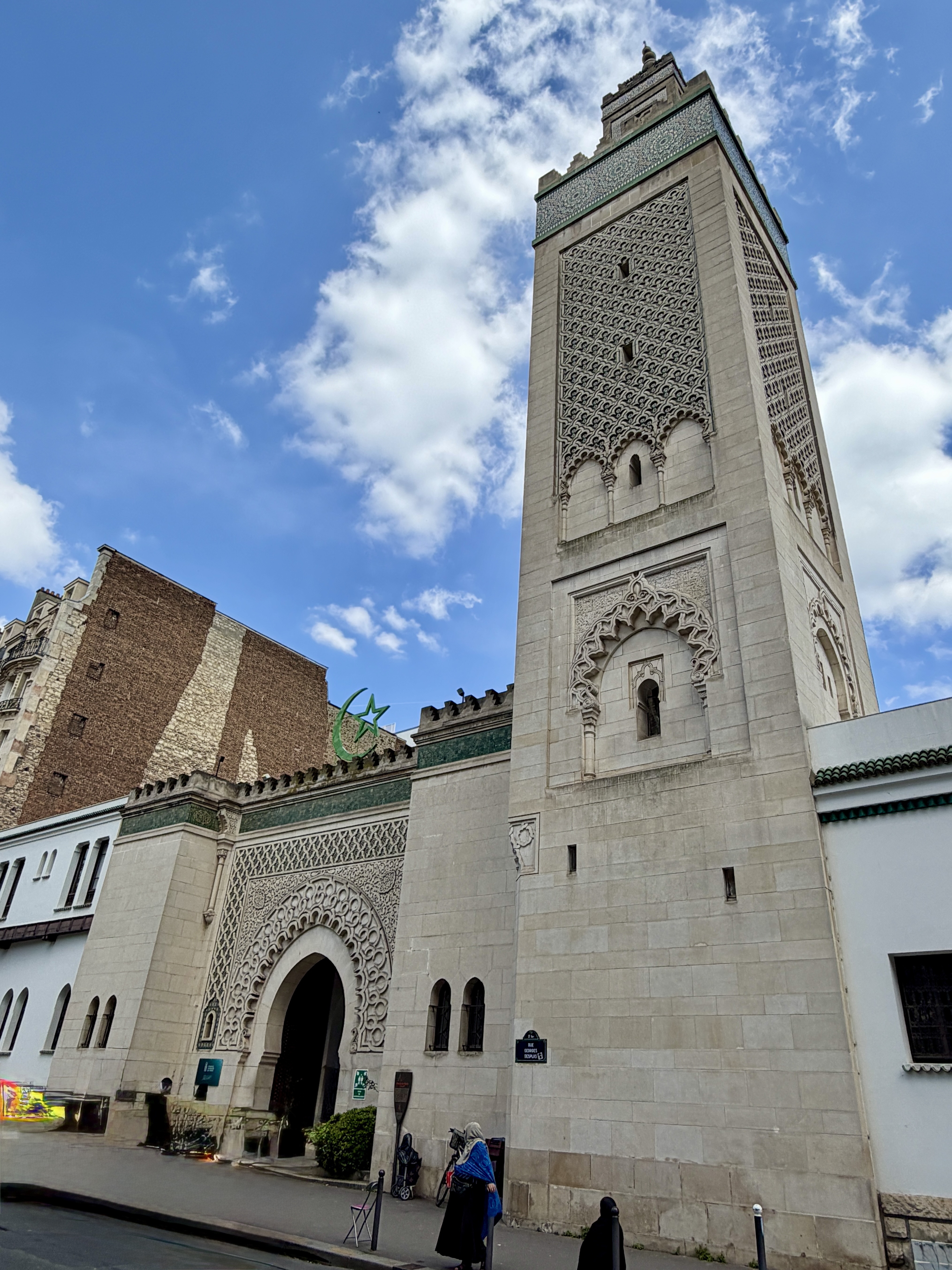
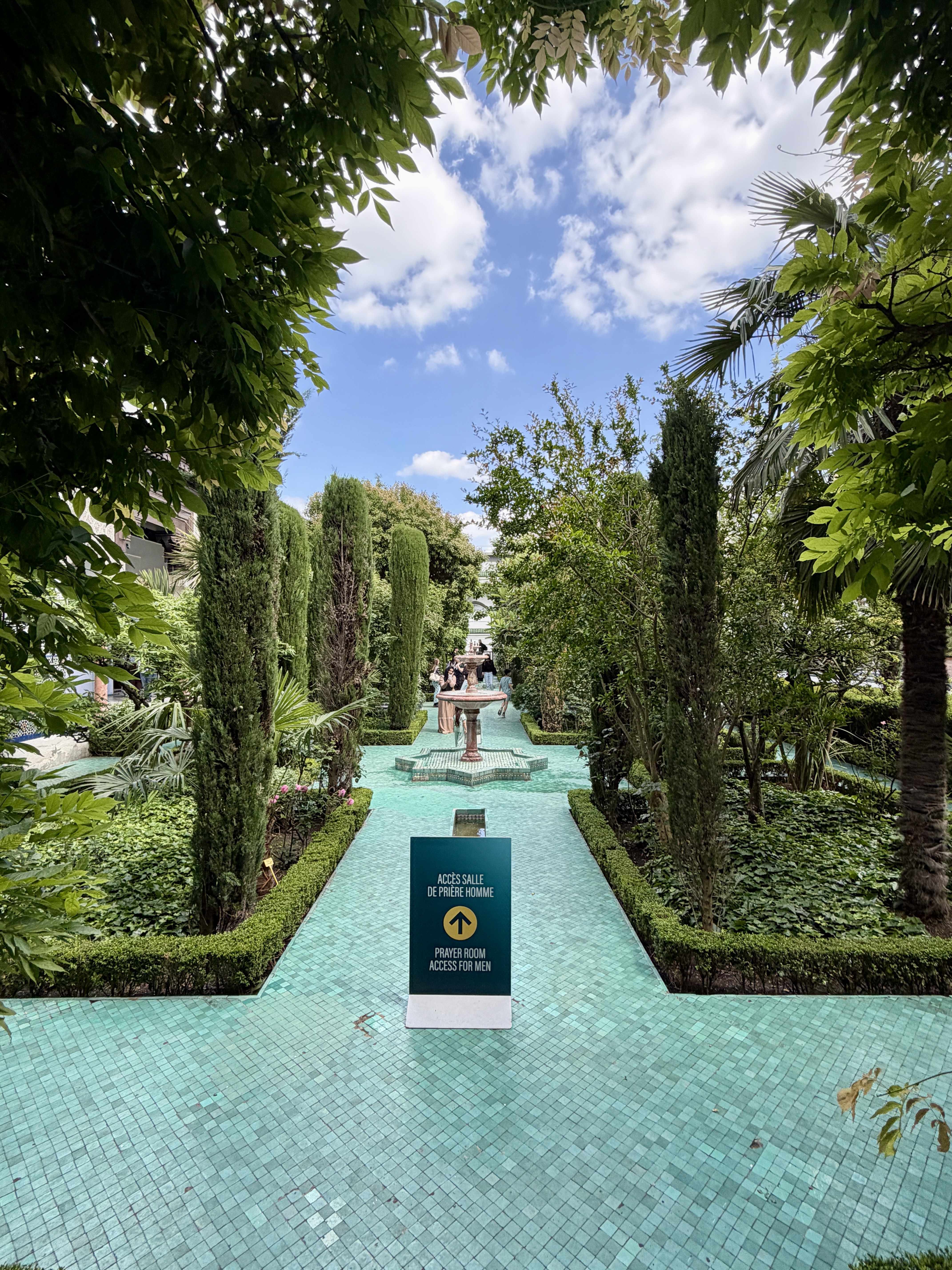
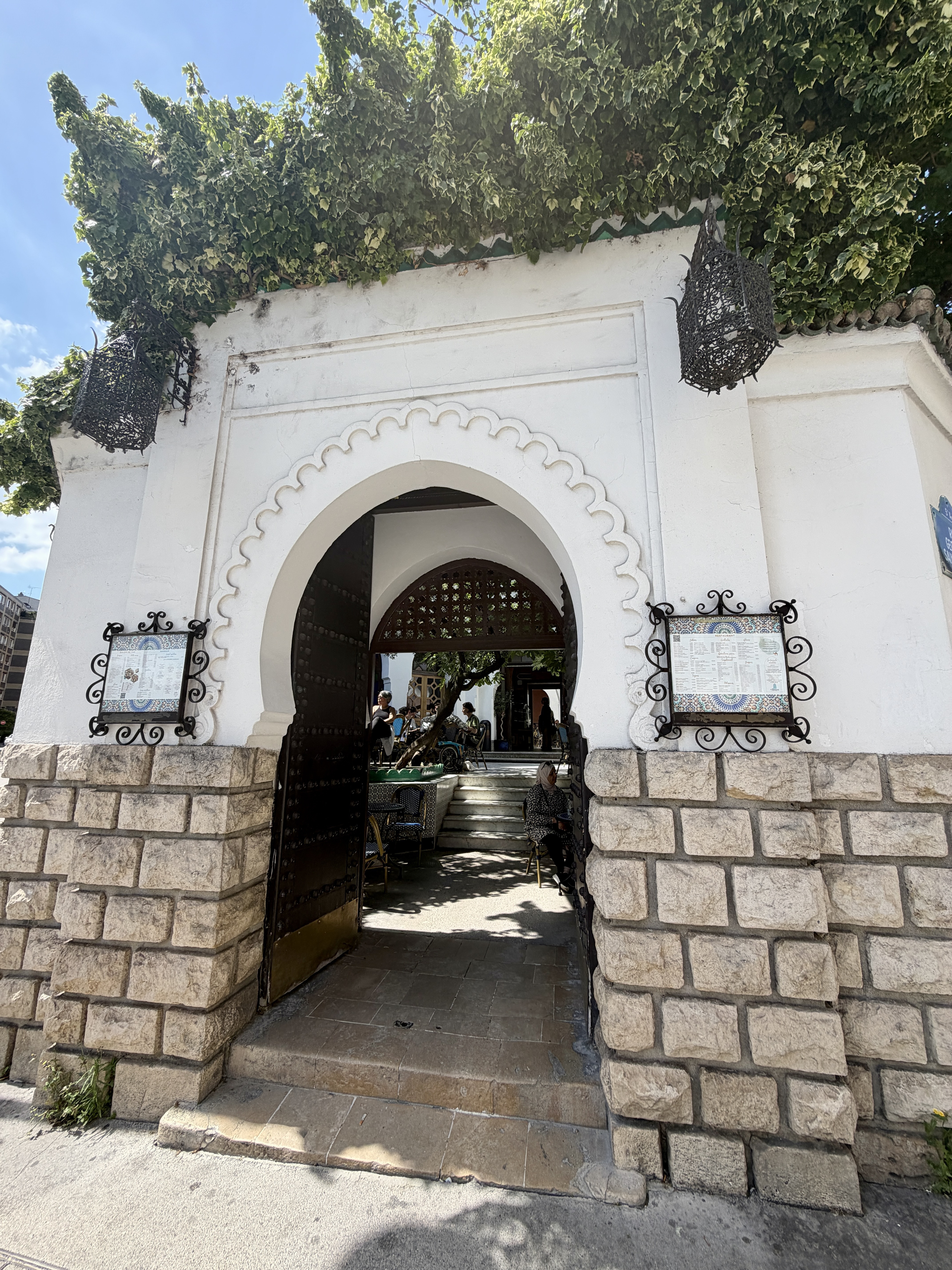
After exploring the busy streets of Paris, we stepped into the peaceful courtyard of the Grand Mosque of Paris. The mosque ranks among Paris’s most beautiful hidden gems. Opened in 1926, it honors the Muslim soldiers from France’s colonies who fought and died during World War I. Its stunning mosaics, carved woodwork, fountains, and gardens create a calm escape from the crowds just outside. If you visit here, stop for a break at the mosque’s café. We enjoyed a traditional glass of sweet mint tea served in classic North African style. Sipping tea beneath the shaded arches and surrounded by colorful tilework felt worlds away from the bustling city. It offered a relaxing glimpse into the diverse cultural influences that have shaped Paris for generations.



Jardin des Plantes
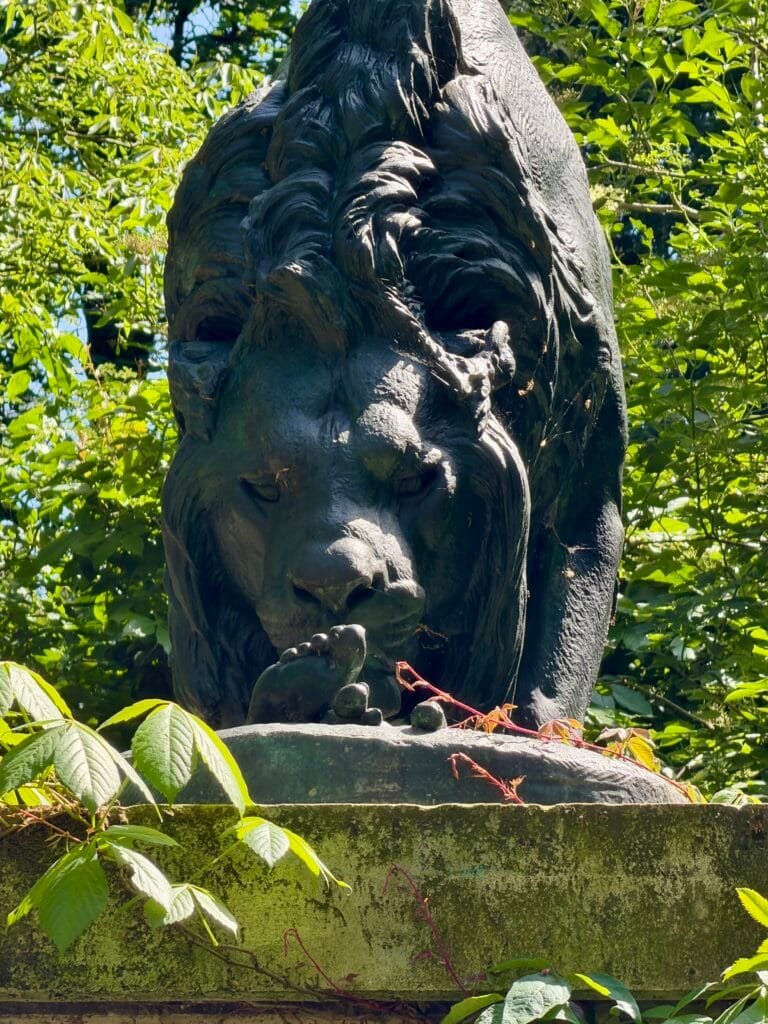
This lion statue is one of the strangest statues we stumbled across in Paris. In the nearly 400-year-old Jardin des Plantes, a bronze lion stands over what appears to be a human foot sticking out of the ground. While it looks like the lion is enjoying a rather unusual snack, the artist had another idea in mind.
Created in 1854 by renowned animal sculptor Henri-Alfred Jacquemart, the work is titled Lion Sniffing a Corpse. He actually intended to show the lion investigating a partially buried body. More than 170 years later, the sculpture’s macabre subject still stops visitors in their tracks and proves that even a peaceful Paris garden can hold a few unexpected surprises.
We briefly walked a small section of this massive park. But there’s lots more to do here including eleven themed gardens, historic Art Deco greenhouses, a 230-year-old zoo, and several science museums.


Saint Eustache Church (1532-1632)…and charcuterie?
Rising beside the former marketplace of Les Halles is Saint-Eustache Church. It has watched over this corner of Paris for nearly five centuries. Because of its location in the heart of Paris’s busiest market district, the church became closely connected to merchants, craftsmen, and trade guilds. Many of these people and organizations sponsored chapels and works of art inside.


We love a great charcuterie platter. Isn’t that a weird sentence under the section of exploring a beautiful church? Well, surprisingly, they are related.
Inside this church, we spotted an unexpected stained-glass window dedicated to the city’s charcuterie. The beautiful stained glass window includes a pig, sausages, and an honor to the charcuterie guild. For us, it was one of those quirky Parisian discoveries—a centuries-old church with a window celebrating charcuterie.


Saint-Joseph-des-Carmes (1613-1620)
I thought I’d add another church to the quirky and unusual list. Many people may not be aware of this church’s gruesome history. Visitors won’t find this unusual Paris sight inside a museum or on top of a monument. It lies beneath the beautiful church of Saint-Joseph-des-Carmes.
Don’t miss the free guided tour of the crypt on Saturday
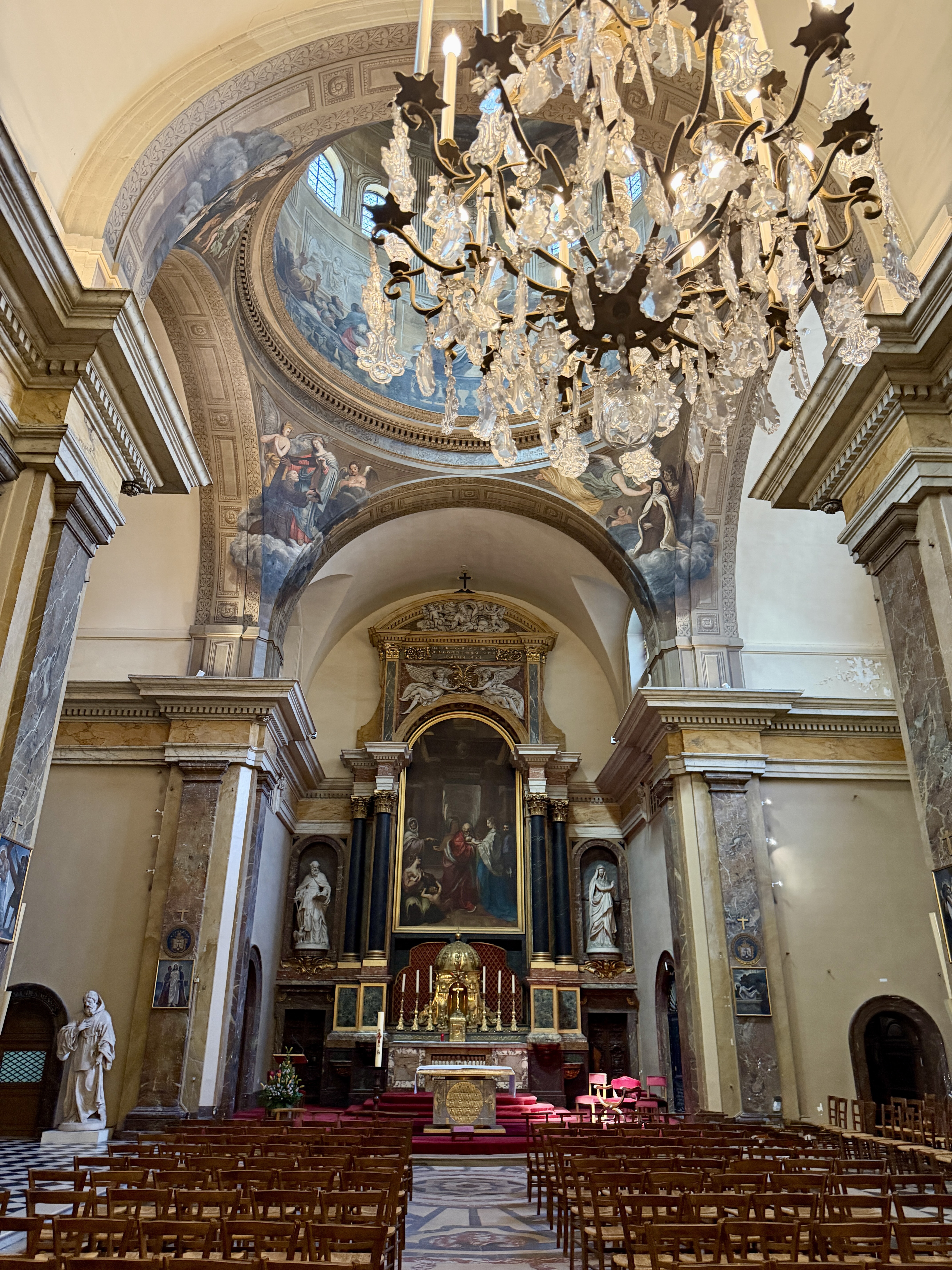
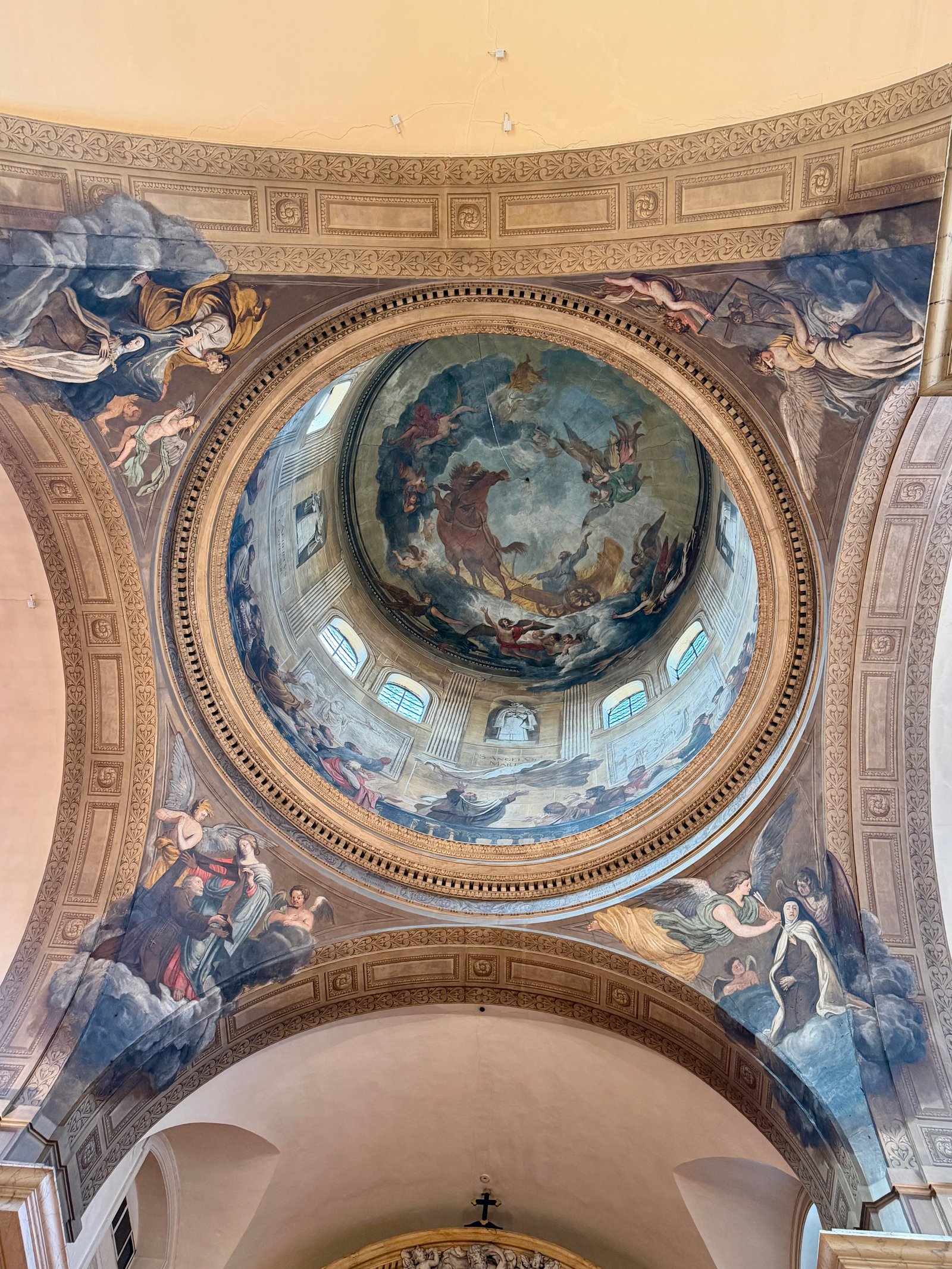
The church is always open for visits, but only on Saturdays at 3:00 p.m. can you join a special free guided tour of the church, garden and underground crypt. Our guide taught us a lot about this beautiful church, its art, and the tragedy. Its most distinctive feature is the elegant dome. It’s the first Italian-style church dome built in Paris and helped pave the way for later masterpieces such as the dome of Les Invalides. Inside, there are soaring arches, richly decorated chapels, and artwork that reflects centuries of French religious history.



The Massacre of 1792
During the French Revolution, authorities seized the church and convent and converted them into a prison for clergy, setting the stage for the tragic massacres of 1792. The tour’s most chilling stop was the “Stairway of the Martyrs,” where priests made their final walk after officials offered them one last chance to renounce their faith and swear allegiance to the state. Those who refused descended the stairs into the garden, where a waiting mob attacked and killed them with swords, axes, and pikes. Below, is a picture of the staircase. There is also a memorial column marking the spot where the first priest was killed. Approximately 115 priests and bishops were murdered at the Carmes convent that day alone. Historians estimate that about 1,100 to 1,400 prisoners were killed around Paris over the next few days, roughly half of Paris’s prison population at the time.


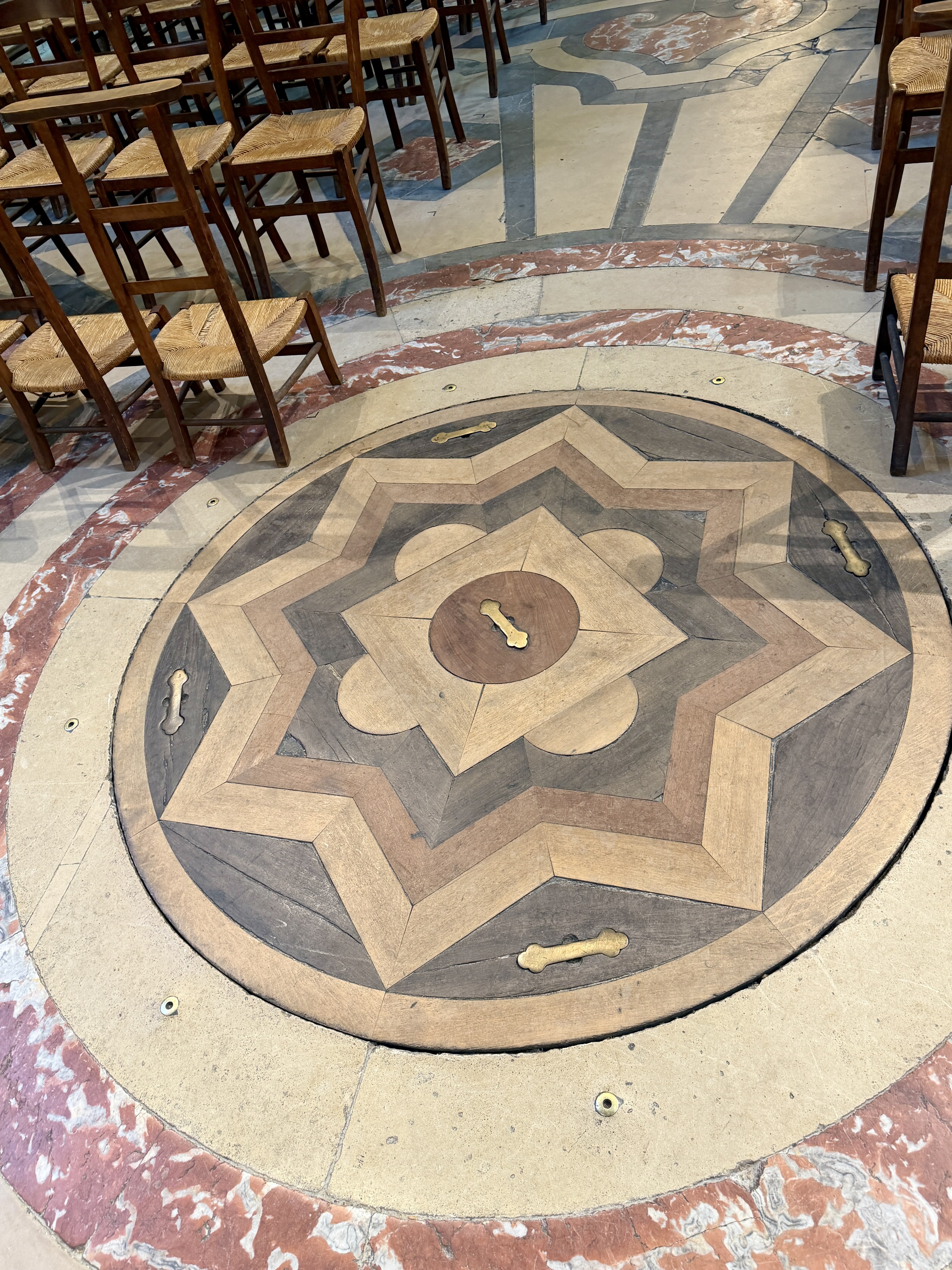
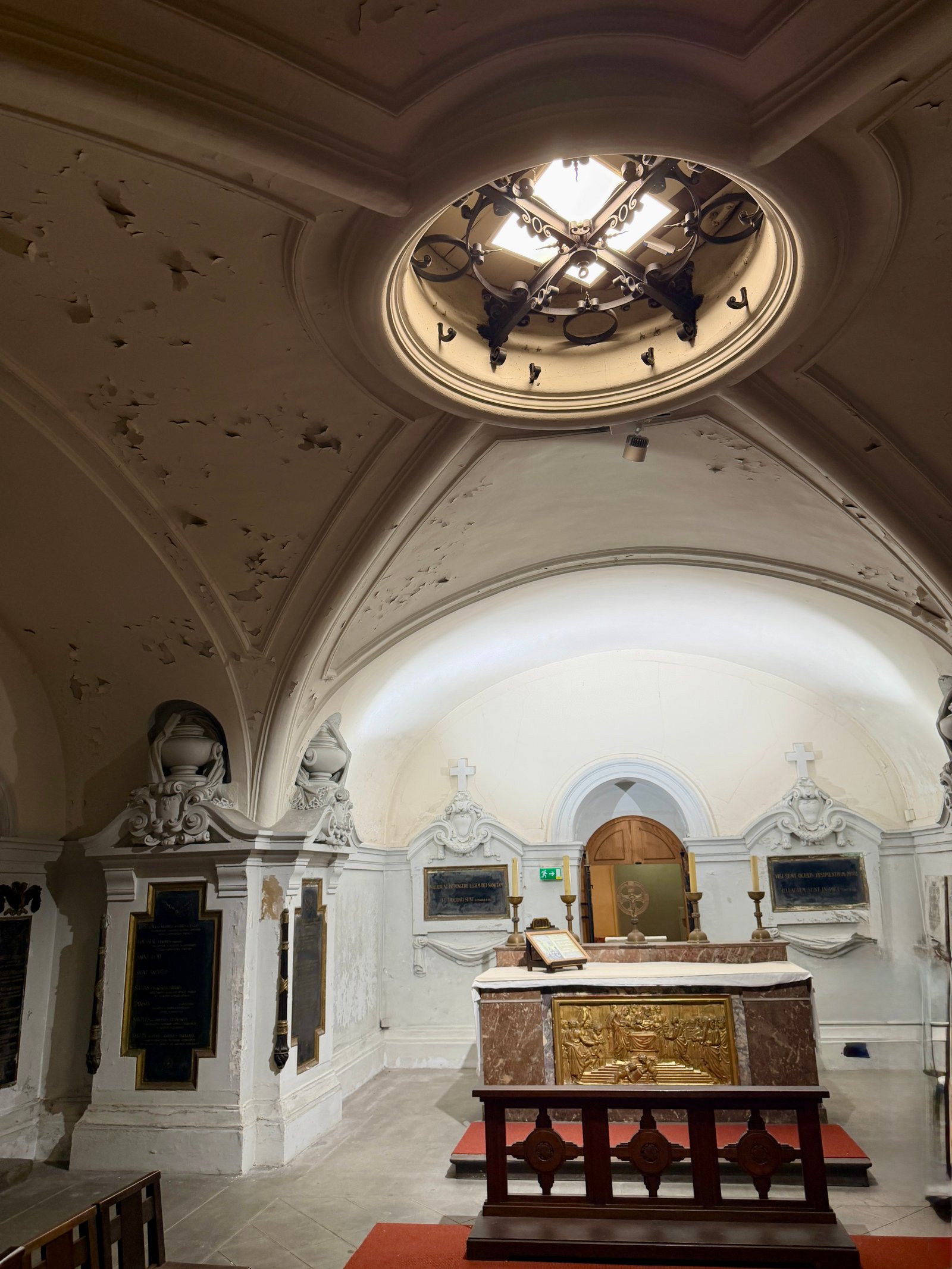
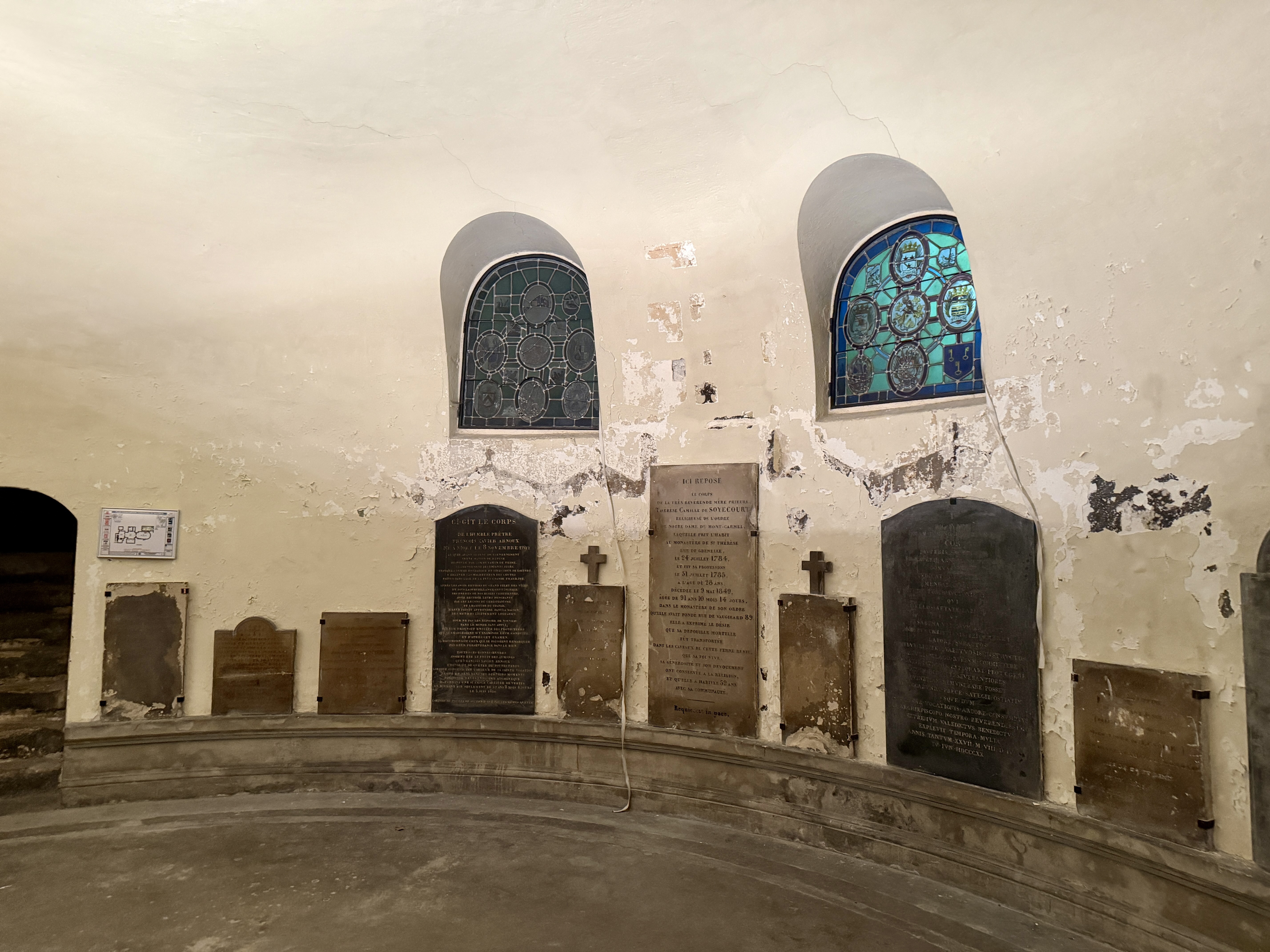
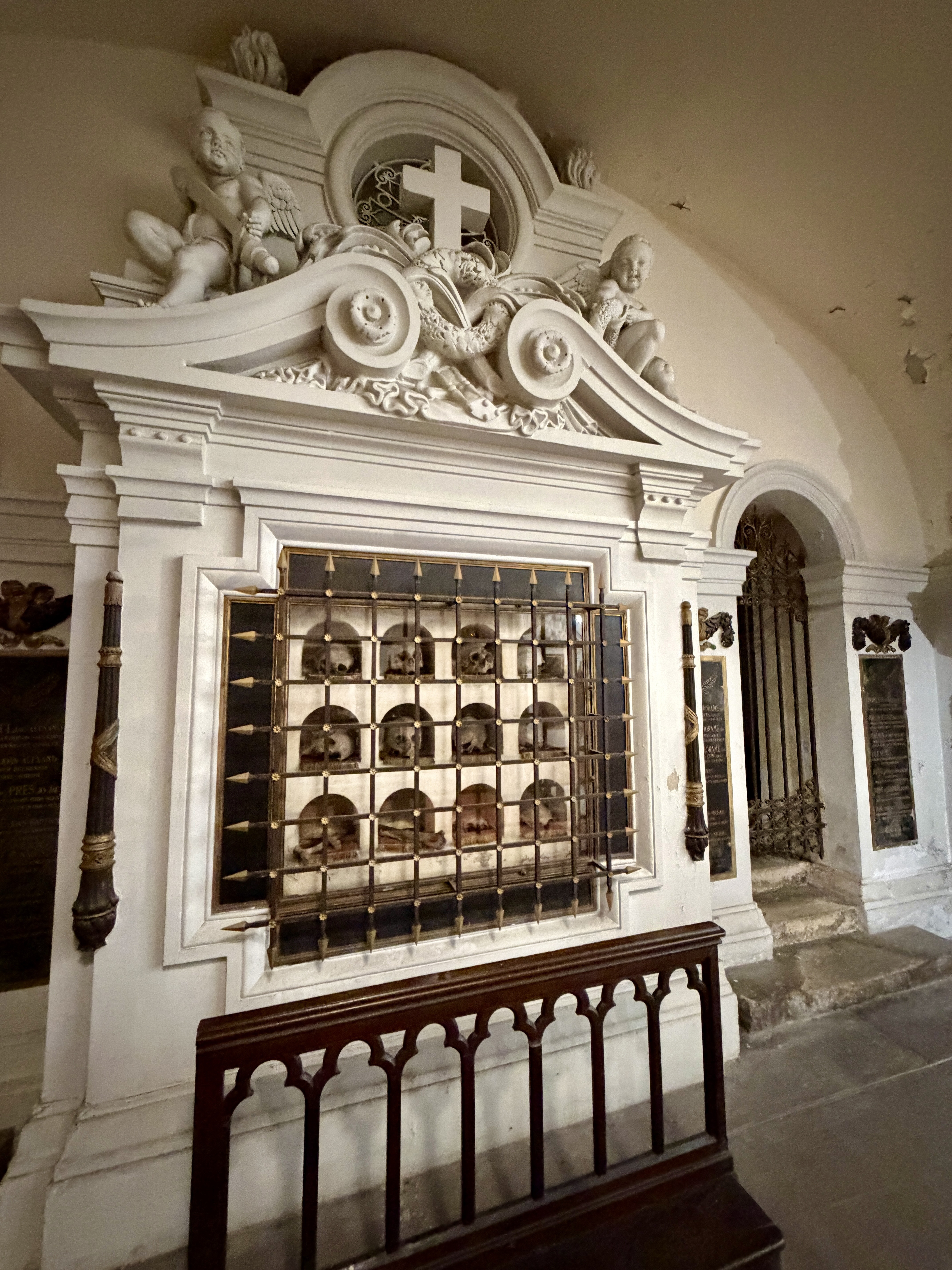
The bodies of the priests and bishops were hastily buried in mass graves on the property. Decades later, workers uncovering the old burial sites found bones bearing marks of the attack. Today, the crypt is where visitors can see the remains. Standing before the stacked bones and memorials offers a sobering reminder that behind Paris’s elegant streets lies a history filled with both beauty and tragedy. Note the wooden circular covering on the floor in front of the altar. This is the ceiling to the crypt below. Once each year, the church removes the cover, revealing the bones and memorial of those killed in the massacre. A special Mass then honors their memory and pays tribute to their sacrifice.


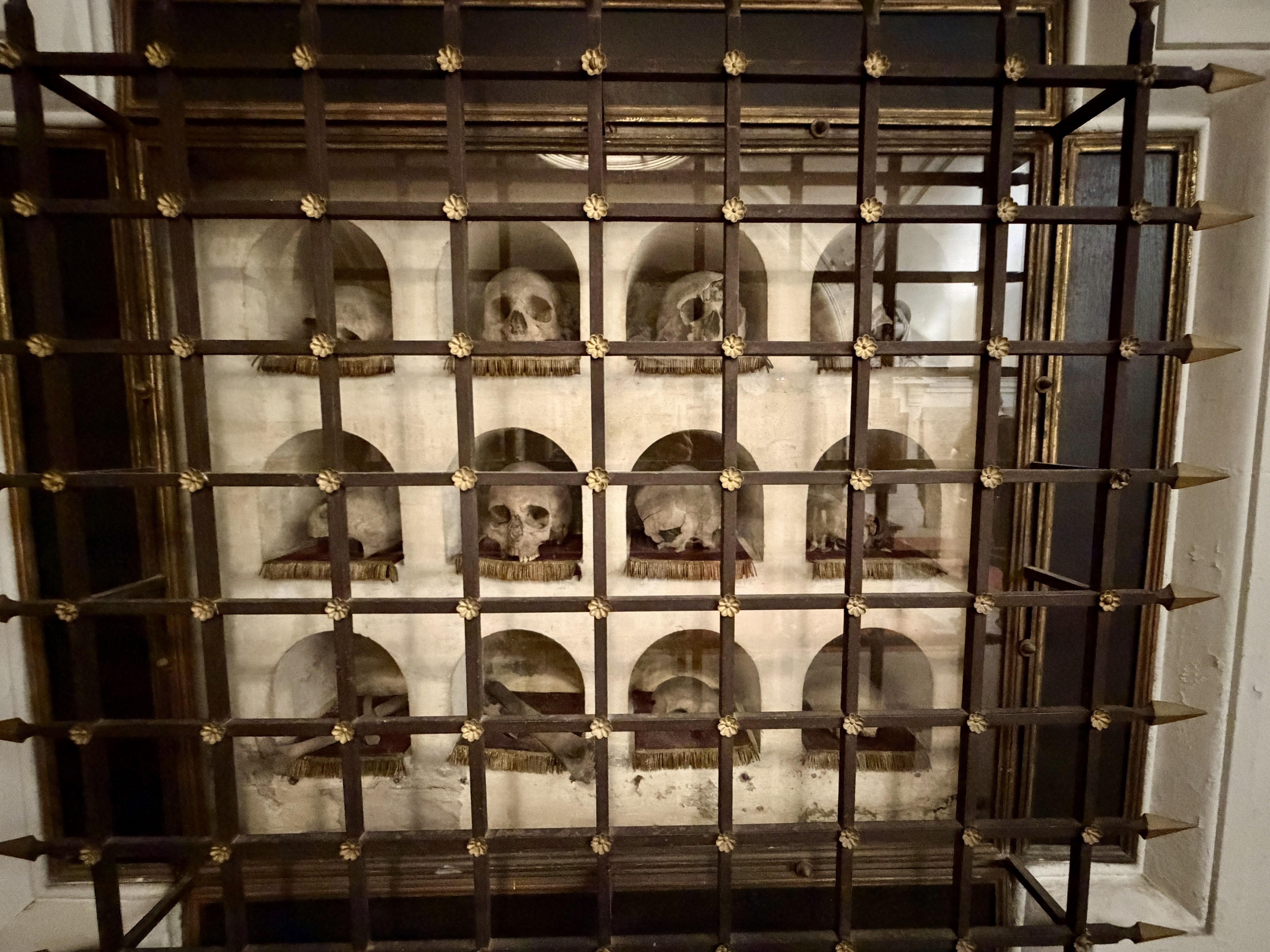
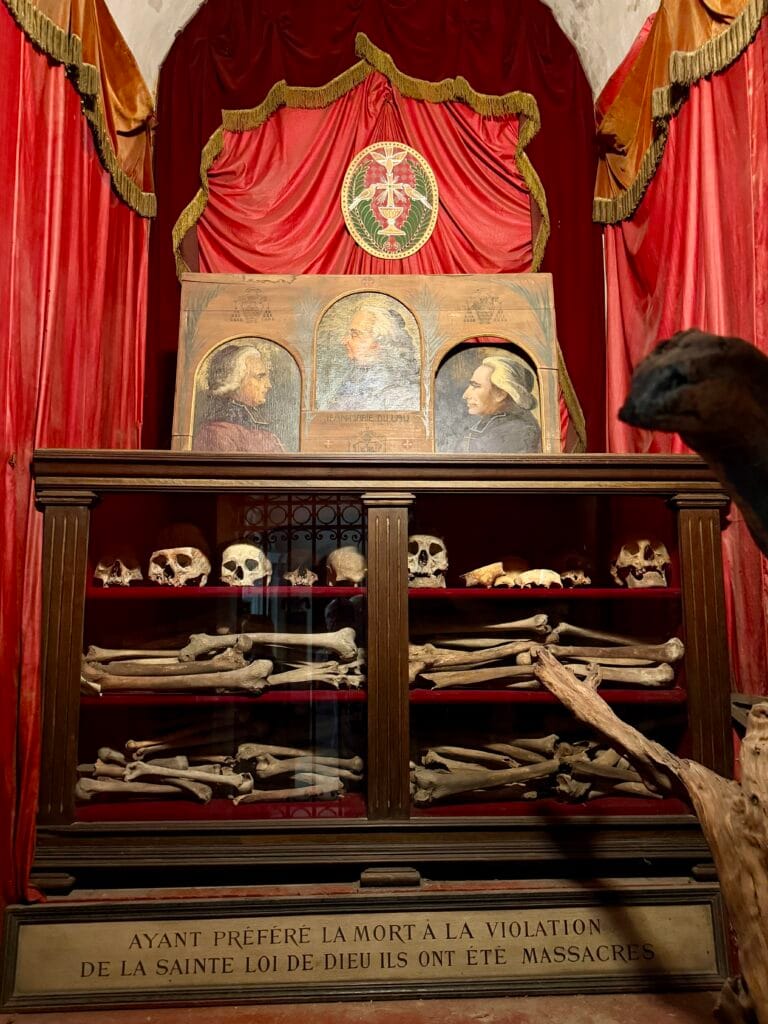
I think this one of Paris’s most powerful—and least-known—unusual, yet historical sites.
Countryside village in the city
We are out walking on Rue Daguerre grabbing some lunch. It’s in the 14th near the Catacombs and Montparnasse Cemetery. It’s a charming, largely pedestrianized market street with lots of options for markets, cafés, restaurants, bars and coffee shops.


Since we’re in the area, I wanted to check out the Rue des Thermopyles, described as a quaint countryside village in the city. It’s one of the few streets that has kept its original stone pavement. What’s so unusual about this street is the surprising contrast. One moment you’re walking along a busy commercial street and seconds later you’re in a tranquil lane covered with flowers and greenery.
This small residential street feels more like rural France than central Paris. Wisteria draped over old cottages, flower pots lined the cobblestones, and not a single Haussmann building towered overhead. It has a quiet pedestrian-friendly atmosphere with little vehicle traffic. Cats, bicycles, artists’ studios, and community gardens add to the neighborhood feel. For a few minutes, it felt like we had left Paris entirely and wandered into a forgotten French village hidden behind the city’s busy streets.


Two final weird sites we visited that I had to share
These two sites are interesting to see if you happen to be in the area, but I wouldn’t make a special trip unless you’re really curious to visit.
McDonald’s…the King of Beer?
First, one of the quirkiest surprises in Paris sits at 119 Rue Saint-Lazare, where a beautiful old Alsatian beer hall now houses a McDonald’s. Built in 1892 as “Au Roi de la Bière” – The King of Beer. The building still features its colorful half-timbered façade, flower boxes, and the statue of Gambrinus, the legendary king of beer, raising a mug above the street. Thankfully, the historic façade is now protected, so even though fries replaced beer steins inside, this quirky piece of Belle Époque Paris still survives.


A building that’s now an air vent
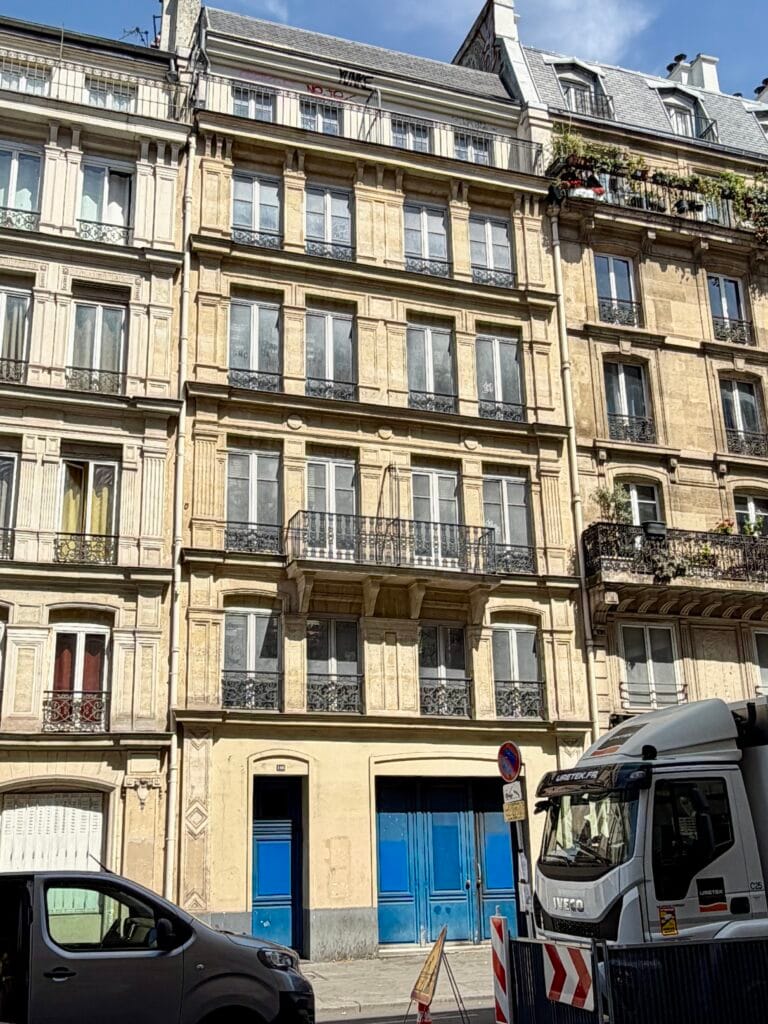
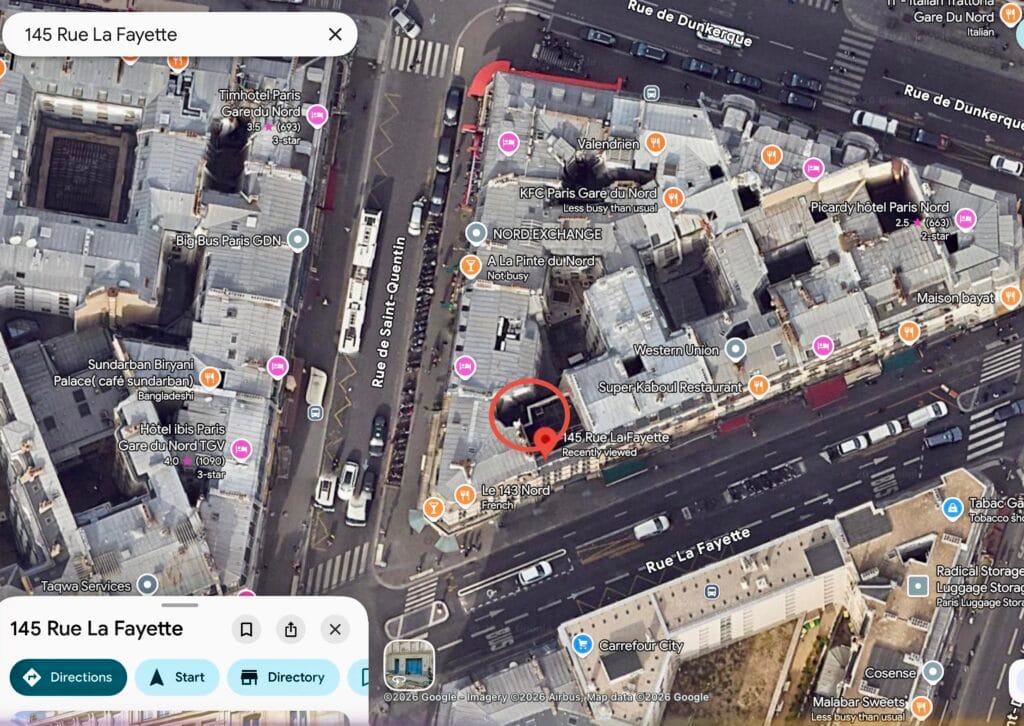
Second, what looks like an ordinary Paris apartment building at 145 Rue La Fayette is actually a hollow shell hiding a giant subway ventilation system. Built shortly after 1850, the six-story building housed real residents for nearly a century before everything changed in the early 1980s during the RER B expansion. Instead of demolishing the building completely, engineers kept the façade, balconies, and railings so the street would still look traditionally Parisian.
Behind the windows, however, there are no apartments at all. The floors were replaced with metal grates for airflow, and years of pollution left the empty shell stained black with grime. Some windows sit broken or missing tiles, adding to the eerie feeling. The abandoned façade was even squatted at one point before the RATP sealed the fake doors. Today, the only permanent residents seem to be the pigeons perched inside this strange hidden piece of Paris infrastructure. I’ve also shown a satellite image looking down at this hollow building.
Even more quirky and unusual Paris sites from my other posts
If you’re interested in seeing even more unusual Paris sites, check out those I’ve previously posted about. You may not find some of them in a guidebook.
- Rue Crémieux is an old pedestrian cobblestone lane from the 1800’s lined with colorful painted houses.
- Flame of Liberty is a full size gold leaf replica of the torch flame from the Statue of Liberty. It sits on top of the tunnel where Princess Diana died. Fans transformed this monument into a memorial for her.
- The Statue of Liberty on an island near the Eiffel Tower. Of course there are more examples around Paris, like in the Luxembourg Gardens. Here’s an article and map highlighting eight statues of lady liberty in Paris. You can go on a quest to find them all.
- The hidden rose garden of Jardin Saint-Gilles-Grand-Veneur. To find the rose garden, walk down the small side street rue des Arquebusiers, just off the busy Boulevard Beauchais. Next to the hotel at the corner of the street is the entrance. You’ll walk through the courtyard of an apartment building to immediately find the rose garden. A great hidden gem when the roses are blooming.
- There are a number of quirky monuments if you’re walking around Montmartre. The first two are statues: Le Passe-muraille and Dalida. One is of a man walking through a brick wall (grab his hand to take a photo) and the other is of the famous singer Dalida, where you rub her shiny bronze breasts for good luck. There are also only two surviving windmills of the original 30 in Montmartre. Finally, the Vineyard of Montmartre is the last remaining vineyard in operation since created in 1933.
- Of course for anyone from Texas proud of your heritage, there’s the Texas Embassy building and marker. France was the first nation to recognize the Republic of Texas, an independent state between 1836 and 1845.
- You can also take a tethered air balloon ride over Paris. This 15 minute ride offers an incredible view of the Seine, Eiffel Tower and a large swath of Paris at about 500 feet in altitude. Tickets are only 19 euros.
- For an eerie experience visit the Paris Catacombs. More than six million Parisians’ remains are found here. You descend into a maze of underground tunnels lined with carefully arranged skulls and bones, creating a haunting yet fascinating reminder of Paris’s past.
I’m sure there are many more quirky and unusual Paris sites I haven’t discovered yet, so that means we need to come back soon and explore.
Final thoughts
Paris may be one of the world’s most visited destinations, but it still holds countless secrets for curious travelers. Even after many trips over the years, we found ourselves surprised by hidden gems tucked between famous landmarks and along streets we had walked before. So if you’re planning a visit, don’t be afraid to wander beyond the Eiffel Tower and the major attractions. Take a side street, step inside an unfamiliar church, or explore a neighborhood you’ve never considered before. You may discover, as we did, that some of Paris’s most memorable experiences are the quirky and unusual sites that rarely appear in the guidebooks.
More travel adventures coming soon. We’re headed to London!